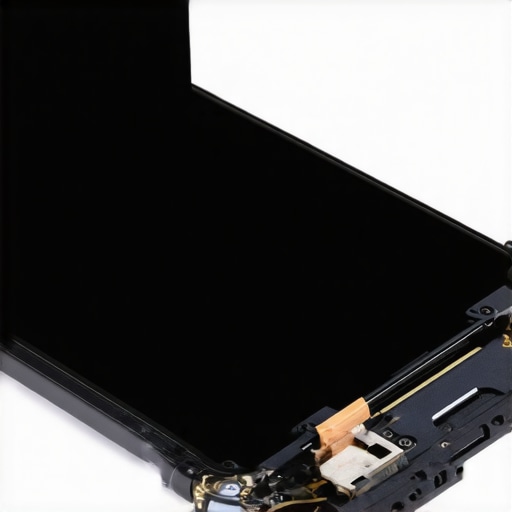
Why your phone screen is lifting off the frame
The Structural Reality of Glass Displacement
When you see your smartphone screen beginning to pull away from its housing, you are not just looking at a cosmetic defect. You are witnessing a structural glazing failure on a microscopic scale. As a master glazier with twenty-five years in the trade, I have seen every type of seal failure imaginable, from forty-story curtain walls to historic wood sash restorations. The physics of a lifting phone screen is remarkably similar to a failed storefront window in a high-traffic urban center. It comes down to the integrity of the bond between the substrate and the glass. In the glazing world, we do not rely on hope; we rely on the chemistry of the interface.
A homeowner called me in a panic because their new windows were ‘sweating.’ I walked in with my hygrometer and showed them the humidity was 60 percent. It was not the windows; it was their lifestyle choices. I see the same thing with mobile devices. A user wonders why their screen is lifting, and they fail to realize that their device has been subjected to thermal cycling that would make a commercial-grade skylight buckle. When the humidity and the internal heat of a lithium-ion battery collide, the adhesive loses its shore hardness, and the expansion of the internal components begins to exert pressure on the rough opening of the frame. This is not a mystery; it is thermodynamics.
The Physics of Thermal Expansion in the South
In a hot climate like Phoenix or Miami, the enemy is Solar Heat Gain. In the window industry, we manage this using Low-E coatings on Surface #2 of the glass to reflect long-wave infrared radiation back toward the sun. Your phone lacks these sophisticated coatings. When you leave a black glass device in direct sunlight, the glass absorbs a staggering amount of energy. The glass expands at one rate, while the aluminum or plastic housing expands at another. This difference in the coefficient of thermal expansion puts an incredible shear stress on the adhesive beads. As a glazier, I call this a ‘clash of materials.’ If the adhesive is not rated for the peak temperatures of a car dashboard in July, the bond will reach its elastic limit and fail.
“Installation is just as critical as the window performance itself. A high-performance window installed poorly will fail.” AAMA Installation Masters Guide
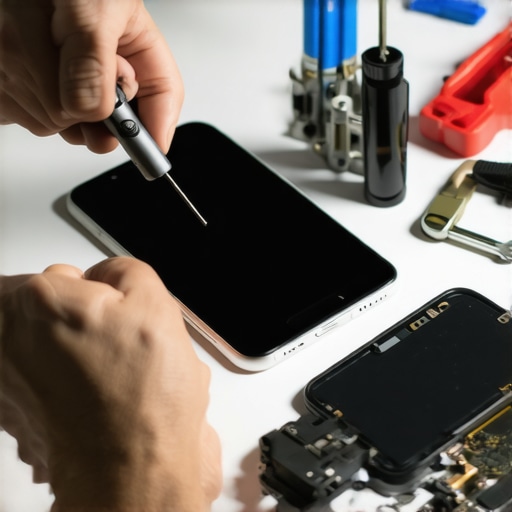
The rough opening of your phone frame must be perfectly clear of contaminants for a bond to hold. Most same-day mobile service technicians are the ‘caulk-and-walk’ installers of the electronics world. They slap on a pre-cut adhesive strip without properly cleaning the glazing bead area with an appropriate solvent like isopropyl alcohol. If there is even a hint of skin oil or dust on that frame, the new screen will lift within weeks. A proper glass installer knows that the preparation of the surface is ninety percent of the job. You can have the most expensive glass in the world, but if the substrate is dirty, the seal is a lie.
The Installation Autopsy: Why the Seal Fails
When I perform an autopsy on a failed window installation, I look for the shingle principle. Water must always flow down and out. In a phone, the lifting screen creates a breach in the ‘sill pan’ of the device. This allows moisture and debris to enter the sensitive internal architecture. Once the screen lifts, the device is no longer operable in any humid environment. The internal dew point shifts, and you will see condensation forming on the underside of the glass. This is the exact same phenomenon we see when a dual-pane window loses its argon gas fill. Once the seal is breached, the unit is compromised.
Many people think a chip repair or a quick fix will solve the issue, but if the frame is warped, the glass will never sit flat. In the glazing trade, we use shims to ensure everything is plumb and level. In a mobile device, there is no room for shims. The tolerances are measured in microns. If the battery has swollen even slightly, it acts like a slow-motion hydraulic press against the back of the glass. No amount of adhesive can hold back a failing lithium-ion cell. It is like trying to hold back a sagging header with a piece of flashing tape. You are fighting a losing battle against structural forces.
“The selection of the proper sealant for the specific substrate is the primary defense against water penetration and air leakage.” ASTM E2112 Standard Practice
The Myth of the Quick Fix
The industry is flooded with ‘same-day’ promises. In the world of commercial glazing, we know that many high-performance silicones require a full twenty-four to forty-eight hours to reach their full structural cure. When a mobile service technician hands you back a phone twenty minutes after a repair, the adhesive is still in its green phase. It has not developed its full bond strength. If you put that phone in your pocket and subject it to the torsion of walking, you are twisting the glass before the adhesive can resist that movement. This is why you see screens lifting at the corners; the corners are the first place where mechanical stress overcomes an uncured bond.
The Anatomy of a Proper Glazing Job
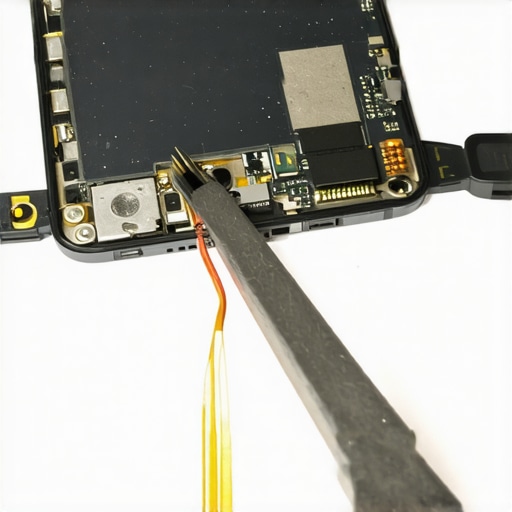
To fix a lifting screen correctly, one must treat the device like a high-performance curtain wall. First, the old adhesive must be completely mechanically and chemically removed. The glazing bead area must be inspected for burrs or bends. If the aluminum frame is notched or dented, it must be filed flat so the glass has a continuous surface to bond to. We do not use muntins in phones, but the internal bracing must be checked to ensure the glass is supported. Then, a high-viscosity structural adhesive should be applied in a continuous bead, ensuring there are no gaps where a weep hole would be inappropriate. Finally, the unit must be clamped with uniform pressure to ensure the adhesive spreads to the correct thickness. Too thin, and it won’t handle expansion; too thick, and it will ooze out and look like a mess.
Ultimately, your phone screen is lifting because the relationship between the glass and the frame has been compromised by heat, pressure, or poor workmanship. Do not settle for a ‘tin man’ salesman’s quick fix. Understand that glass is a dynamic material that moves and breathes with the temperature. If you treat your device with the same respect we treat a structural glass assembly in a skyscraper, you will find it stays together much longer. Respect the physics, respect the cure times, and never trust a bond that was rushed. In the world of glazing, patience is the only thing that actually sticks.