The danger of using super glue on a cracked screen
The Illusion of the Quick Fix
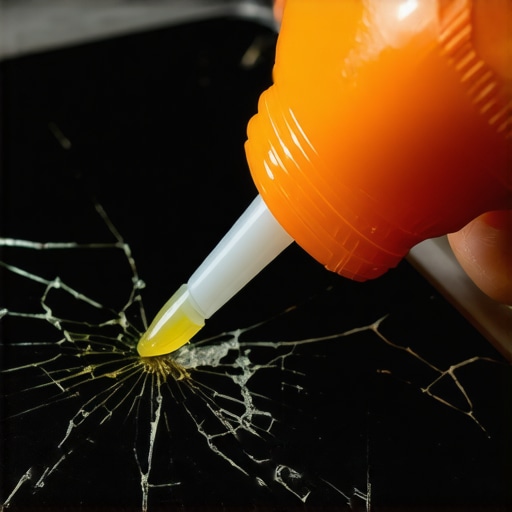
As a master glazier with over 25 years in the field, I have seen every imaginable DIY disaster. I have seen people try to seal a drafty sash with duct tape and others who thought a bit of bathtub caulk could replace a proper sill pan. But perhaps the most pervasive and damaging myth in the world of glass maintenance is the idea that a drop of cyanoacrylate, commonly known as super glue, can fix a cracked glass screen or pane. To the untrained eye, a hairline fracture is just a cosmetic nuisance. To a professional glass installer, it is a structural failure in progress that requires a precise, technical response, not a five-minute hack from a hardware store tube.
The Anatomy of a Failed Repair: A Narrative Autopsy
I recall a specific incident in a high-rise downtown where a facility manager tried to save a few dollars by ‘welding’ a crack in a large tempered glass panel using a industrial-strength super glue. I walked onto the site after the panel had spontaneously shattered into ten thousand pieces. The previous ‘fixer’ had ignored the fundamental physics of glass. By applying a rigid, brittle adhesive into a fracture, they had created a point of extreme thermal stress. When the sun hit that glass, the panel expanded. The super glue, which has a completely different coefficient of thermal expansion (COE) than the silica-based glass, did not move. It acted like a wedge. As the glass tried to breathe, the glue held firm, eventually forcing the crack to propagate until the entire structural integrity of the pane was compromised. I spent the afternoon cleaning up a mess that could have been solved with a simple mobile service chip repair if they had called me forty-eight hours earlier.
“Installation is just as critical as the window performance itself. A high-performance window installed poorly will fail, and a repair that ignores the material science of the substrate is not a repair at all; it is a delay of the inevitable.” – AAMA Installation Masters Guide
The Chemistry of Failure: Why Cyanoacrylate and Glass Don’t Mix
To understand why super glue fails, we have to look at it through the lens of ‘Glazing Zooming.’ Cyanoacrylate is a thermoplastic resin. It cures almost instantly when it comes into contact with hydroxyl ions in water, which are present on almost every surface. However, glass is an amorphous solid with a very high surface energy. When you drop super glue into a crack, it ‘skins over’ almost immediately. This prevents the adhesive from actually penetrating the full depth of the fracture. You end up with a superficial bridge that looks fixed on the surface but leaves the interior of the crack hollow and vulnerable to moisture infiltration.
Furthermore, we must discuss the refractive index. Professional glass installers use specialized UV-cured resins for chip repair because these resins are engineered to have a refractive index of approximately 1.52, which matches standard soda-lime glass. Super glue has a refractive index closer to 1.45. This means that even if the glue ‘holds,’ the light will bend differently as it passes through the repair, creating a permanent, ugly scar that is often more distracting than the original crack. This is especially problematic when you are dealing with an operable sash or a viewing screen where clarity is paramount.
The Thermal Trap: Climate Context and Stress
In our industry, we focus heavily on the U-Factor and Solar Heat Gain Coefficient (SHGC). These aren’t just buzzwords for selling expensive triple-pane units; they describe the constant battle between the glass and the environment. If you live in a northern climate with harsh winters, the danger of the ‘super glue fix’ is amplified. During a cold snap, the glass pane will contract. A rigid adhesive like super glue will not contract at the same rate. This creates a shear force along the bond line. Eventually, the glue will pop out, often taking small flakes of glass with it, a phenomenon known as spalling. This leaves the rough opening of the crack wider and more jagged than before.
In southern, high-heat environments, the enemy is UV degradation and off-gassing. Super glue is not UV-stable. Within weeks of exposure to direct sunlight, the adhesive will begin to yellow and become brittle. More dangerously, the radiant heat can cause the adhesive to off-gas, creating a foggy residue on the interior of the glass or between layers of a laminated unit that can never be cleaned away. This is why a mobile service specializing in same-day chip repair is essential. Professionals use anaerobic resins that are specifically designed to withstand the high thermal loads of Surface #2 or Surface #3 in a glazing assembly.
The Professional Path: Mobile Service and Same-Day Repair
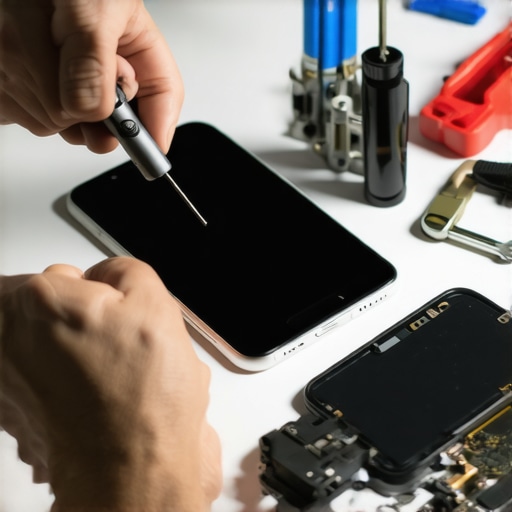
When you encounter a chip or a crack, the correct procedure involves more than just filling a hole. A professional glass installer will first clean the site using a vacuum pressure tool to remove air and moisture from the fracture. This ensures that the repair resin can reach the very tip of the crack, effectively ‘rebonding’ the glass at a molecular level. We then use a UV lamp to cure the resin, followed by a polishing compound to restore the surface of the glazing bead or pane to its original smooth finish.
“Standard practice for the installation and repair of exterior windows must prioritize the management of water and the maintenance of the building envelope’s integrity. Patchwork solutions that utilize non-compatible materials are a primary cause of secondary water damage.” – ASTM E2112
If you attempt a DIY fix and fail, you often make a professional repair impossible. Once a crack is contaminated with super glue, it is nearly impossible to remove all the residue. The resin we use won’t bond to the glue, meaning the only option left is a full, expensive replacement of the entire lite or even the whole sash. This is a classic case of a ten-dollar tube of glue causing a thousand-dollar problem. Don’t be the ‘caulk-and-walk’ amateur of your own home. Respect the material, respect the physics of the rough opening, and call for a mobile service that understands the science of glazing. Same-day chip repair is not just about aesthetics; it is about preserving the structural boundaries of your environment against the elements.