The real cost of ignoring a tiny screen crack
You see it every morning when you pull back the curtains. A tiny, insignificant pit in the glass, no larger than a grain of sand. Perhaps it was a pebble kicked up by a lawnmower or a piece of gravel caught in a storm. Most homeowners look at that small blemish and think it is merely a cosmetic nuisance. They assume that because the window is still standing and the draft is not yet whistling through the living room, the situation is under control. As a master glazier with over a quarter-century in the field, I am here to tell you that a tiny chip is not a static flaw; it is a structural countdown.
The Anatomy of a Glass Failure
I once pulled a double-pane IGU (Insulated Glass Unit) out of a mid-century modern home where the owner had ignored a small bullseye chip for three months. By the time I arrived, the entire inner cavity was filled with a murky condensation that looked like a swamp. Why? Because that tiny chip had created a microscopic pathway for the Argon gas to escape. The seal did not just fail; it vanished. When I removed the glazing bead, the glass literally crumbled in my hands because the structural integrity had been compromised by constant thermal cycling. The homeowner could have saved fifteen hundred dollars with a simple same-day chip repair, but instead, they were looking at a full-frame replacement because the moisture had already begun to rot the wooden sash.
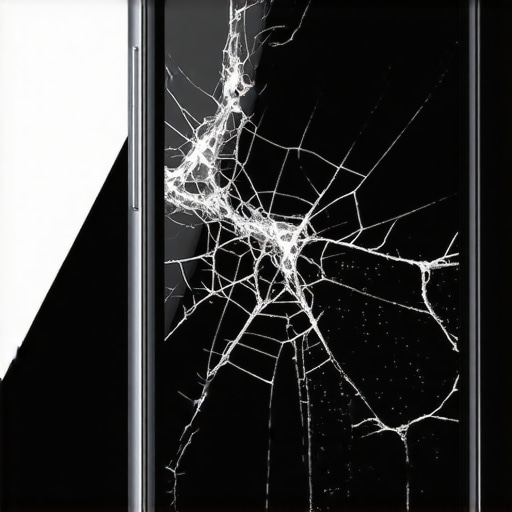
Window glass is a material under constant tension. Whether it is float glass, tempered glass, or laminated safety glass, the molecular structure is designed to distribute loads evenly. When you introduce a chip, you create a stress concentration point. Think of it like a tiny tear in a pressurized suit. In a cold climate like Chicago or Minneapolis, the physics of this failure are brutal. During the day, the sun hits the glass, causing the molecules to expand. If you have a Low-E coating on Surface #3, that heat is being reflected back into the room, but the glass itself is still absorbing energy. At night, the temperature drops, and the glass contracts. This constant expansion and contraction puts immense pressure on that tiny chip. Eventually, the stress exceeds the breaking strength of the glass, and you get what we call a ‘thermal stress crack’—a long, jagged line that spiders across your view in the middle of the night.
“Installation is just as critical as the window performance itself. A high-performance window installed poorly will fail, and a damaged window left unmaintained is a liability to the entire building envelope.” – AAMA Installation Masters Guide
Why Mobile Service is Non-Negotiable
In the modern glazing industry, the rise of mobile service has changed the ROI for homeowners. In the old days, you had to take the sash out, drive it to a glass shop, and wait three days while your house was boarded up. Today, a professional glass installer can arrive with a mobile lab and perform a high-vacuum resin injection right in your driveway. This is not just a ‘quick fix.’ We use an optical-grade resin that mimics the refractive index of the glass. We clean the Rough Opening area, inspect the Weep Hole for blockages, and ensure the Sill Pan is dry before we even touch the glass. By injecting the resin under a vacuum, we pull the air out of the chip and replace it with a bonding agent that is actually stronger than the original glass. This restores the structural integrity and prevents the chip from turning into a crack.
If you live in a northern climate, the U-Factor of your window is your primary defense against the winter. A chip that penetrates the outer pane of a double-pane unit effectively destroys the U-Factor. Once the hermetic seal is broken, the Argon or Krypton gas leaks out, and air—which is a much poorer insulator—leaks in. This leads to the ‘Cold Wall Effect,’ where the interior surface of the glass becomes so cold that it reaches the dew point of the indoor air. Suddenly, you have water running down your walls, soaking into the drywall, and feeding mold growth. This is the real cost of ignoring that tiny screen crack or glass chip. It is not just about the glass; it is about the structural health of your home.
Understanding the Technical Metrics
When you call a glass installer for a repair, you should be looking for more than just a guy with a tube of caulk. You need someone who understands the NFRC ratings and how they apply to your specific climate. In a cold environment, we are obsessed with the Condensation Resistance (CR) rating. A small chip lowers the surface temperature of the glass, which plummets your CR rating. If your home has a high humidity level because of a humidifier or even just daily cooking, that compromised window will be the first place you see moisture.
“The integrity of the building envelope depends on the immediate remediation of glazing defects to prevent air and water infiltration.” – ASTM E2112 Standard Practice for Installation of Exterior Windows
The process of chip repair involves several technical steps. First, we use a bridge and injector tool to create a seal around the impact point. We then apply a vacuum to evacuate the air and any moisture trapped in the ‘legs’ of the crack. Next, we inject a UV-curable resin. This resin is engineered to bond with the silica in the glass. After the resin is cured using a high-intensity UV lamp, we scrape the excess off with a razor blade and polish the area with a cerium oxide compound. The result is a repair that is nearly invisible to the naked eye and prevents the thermal expansion from widening the flaw. This same-day service is the difference between a fifty-dollar maintenance task and a two-thousand-dollar emergency.
The Installer’s Perspective on Hardware and Seals
When I perform a chip repair, I am also looking at the health of the entire window system. I check the Glazing Bead to ensure it is not becoming brittle from UV exposure. I look at the Shim placement in the Rough Opening to make sure the window hasn’t shifted, which could be putting extra mechanical stress on the glass. Many people don’t realize that a window is a dynamic system. The Muntin bars, the Sash, and even the Flashing Tape work together to manage water. If a chip allows moisture into the IGU, it can eventually corrode the spacer bar—the metal or foam piece that separates the two panes of glass. Once that spacer bar is compromised, the desiccant inside it becomes saturated and can no longer absorb moisture. That is when you get the permanent ‘fogged’ look that cannot be cleaned away.
Professional glass installers also understand the importance of the ‘Shingle Principle’ in water management. Every component of the window should overlap the one below it so that water is always directed toward the exterior. A chip at the base of a window, near the glazing bead, is particularly dangerous because it can allow water to bypass the primary seal and sit in the glazing channel. If the Weep Holes are clogged with dirt or debris, that water has nowhere to go. In the winter, that water freezes, expands, and can actually pop the glass right out of the frame or crack it from the bottom up. This is why a comprehensive inspection during a mobile service call is so vital. We aren’t just fixing a hole; we are auditing the entire window’s performance.
Conclusion: Don’t Wait for the Shatter
The physics of glass do not care about your schedule or your budget. A chip is a weakness that nature will eventually exploit. By opting for same-day chip repair, you are performing critical preventative maintenance that protects your home’s U-Factor and prevents the costly rot associated with seal failure. Whether it is a small pit or a minor screen crack that has led to glass damage, the solution is the same: call a professional glass installer who uses the right resins and understands the thermal dynamics of your climate. Stop looking at that chip and start fixing it before the next cold front turns a minor annoyance into a major construction project.