How to tell if your glass tech is using a generic mold
Spotting the Compromise: The Master Glazier Guide to Professional Installation
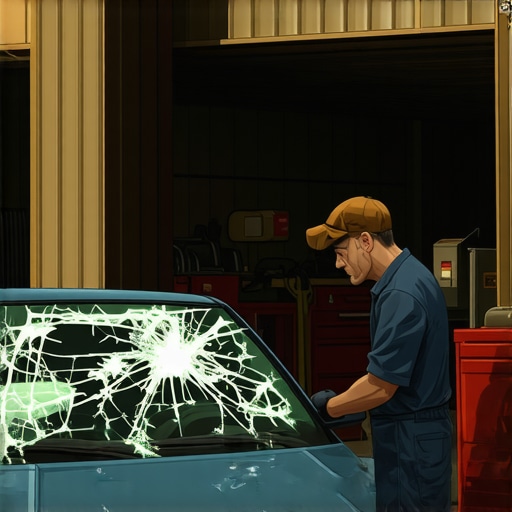
In my 25 years of standing in Rough Opening gaps and wrestling with heavy glazing units, I have seen every shortcut in the book. A glass tech arrives for a same-day chip repair or a mobile service replacement, and before you know it, they are packing up their tools while the adhesive is still wet. But the real danger is not just the speed; it is the materials. Specifically, it is the ‘generic mold’ or universal molding that many high-volume installers use to cut costs. A window or windshield is not just a piece of transparent material; it is a critical thermal and structural component of the building or vehicle envelope. When a glass installer swaps a precision-engineered gasket for a one-size-fits-all strip of cheap PVC, you are looking at a future of water leaks, air noise, and structural degradation.
The Condensation Crisis: A Reality Check
I remember a homeowner in a humid southern climate who called me in a total panic. Their brand-new windows were ‘sweating’ so badly that water was pooling on the interior sills. They were convinced the vacuum seal on the double-pane units had failed within forty-eight hours. I walked in with my hygrometer and a thermal imaging camera, and the truth was immediately apparent. The interior humidity was sitting at 60 percent, but the glass was significantly colder than it should have been. It was not a factory defect in the glass; it was the installation tech. They had used a generic perimeter molding that did not properly interface with the Flashing Tape. Instead of a tight thermal break, there was a bridge of outside air hitting the edge of the glass. I had to explain that the windows were fine, but the installation was a disaster. The ‘sweat’ was just physics doing its job because the installer ignored the Dew Point and the specific requirements of a high-humidity environment.
“Installation is just as critical as the window performance itself. A high-performance window installed poorly will fail.” – AAMA Installation Masters Guide
The Science of the Generic Mold
When we talk about a ‘mold’ or molding in the glass industry, we are referring to the perimeter gasket or trim that secures the glass and provides the primary weather seal. A professional glass installer uses moldings that are specific to the frame design or vehicle model. These are often made of EPDM (Ethylene Propylene Diene Monomer) rubber, which has a high resistance to UV radiation and extreme temperatures. In contrast, generic moldings are typically made of lower-grade TPE or PVC. These materials have a high coefficient of thermal expansion, meaning they shrink in the cold and warp in the heat. [IMAGE_PLACEHOLDER] If you see an installer pulling a giant roll of ‘universal’ trim out of their truck for a specialized job, they are using a generic mold. This ‘one-size-fits-all’ approach rarely accounts for the specific drainage requirements of the system. In a professional setup, the Glazing Bead must be perfectly seated to ensure that any water that bypasses the first seal is directed toward the Weep Hole. A generic molding often blocks these paths, leading to hydrostatic pressure that pushes water into the interior of the wall or the cabin.
Thermal Logic and the South/Hot Climate
For those living in hot, sun-drenched regions, the choice of glass and the quality of the seal are even more vital. Here, the Solar Heat Gain Coefficient (SHGC) is the number that matters. We are not just trying to keep the heat out; we are trying to manage the radiant energy of the sun. This is why we place the Low-E coating on Surface #2 (the inner face of the outer pane). This reflects the heat back outside before it can even cross the air gap. However, if your glass tech uses a generic molding that fails under high UV exposure, the seal around that expensive Low-E glass will degrade. Once the seal is compromised, moisture enters the Argon-filled space, and the ‘insulating’ value of your window drops to almost zero. A cheap gasket will bake in the sun, lose its elasticity, and create gaps that allow hot, humid air to bypass the glass entirely. This makes your high-efficiency glass useless as the heat simply conducts through the failed perimeter.
“Water penetration is the most common cause of premature failure in fenestration systems.” – ASTM E2112
The Installation Autopsy: Why the Shingle Principle Matters
Water management is a science, not a suggestion. A professional glass installer follows the ‘Shingle Principle,’ which dictates that every layer of the installation must overlap the one below it to ensure water flows down and out. This starts with the Sill Pan. A common mistake in ‘same-day’ mobile service is skipping the Sill Pan or the proper application of Flashing Tape because it takes too long. Without these, you are relying entirely on a bead of caulk to keep your house dry. Caulk is a secondary seal; it is not a structural waterproofing solution. If the installer does not account for the Rough Opening tolerances, the glass will not be centered, leading to uneven pressure on the gaskets. I always look for the use of proper Shims. These small spacers ensure the unit stays level and square, allowing the Operable parts of the window—like the Sash—to move freely without binding. A tech using generic molds will often skip Shims and just ‘float’ the glass in a thick bed of sealant. This might look fine for a week, but as the house settles, the glass will stress and eventually crack or leak air.
The Math of the Same-Day Trap
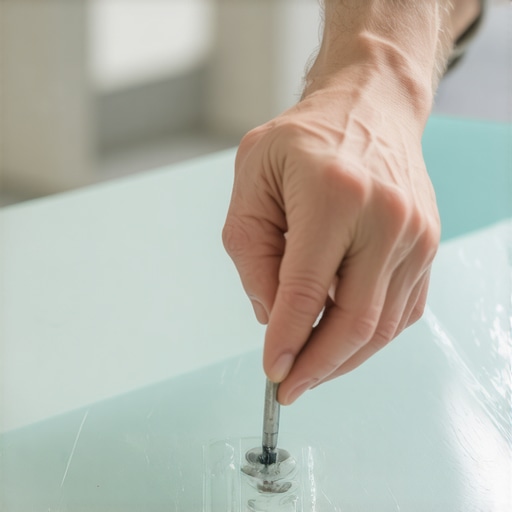
Everyone wants convenience, but ‘same-day’ and ‘quality’ are often at odds in the glazing world. Professional chip repair requires a specific vacuum-pressure cycle to ensure the resin fully penetrates the laminate. If a mobile service tech rushes this, the structural integrity of the glass is not restored, and the chip will likely spread the first time the temperature swings. The same applies to full replacements. The adhesive used to bond glass needs a specific temperature range and cure time to reach its design strength. A technician using generic moldings and fast-cure urethanes without proper primers is taking a gamble with your safety. You can tell a pro by their attention to the Glazing Bead and the meticulous way they clear the Weep Hole. If they are just ‘caulking and walking,’ you are not getting a professional service; you are getting a temporary patch that will cost you three times as much to fix when the rot sets in. Always ask if the moldings are OEM-equivalent or if they are using a universal roll. If they can’t explain the SHGC rating of the glass they are installing, they are in the wrong business. Stick with the experts who understand that a window is a complex thermal barrier, not just a hole filled with glass.