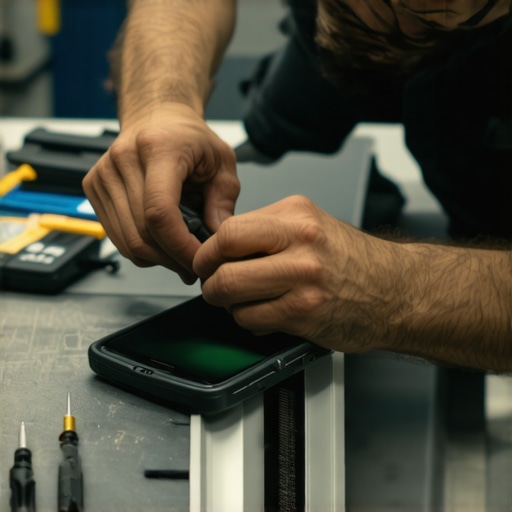
Why mobile screen replacement is safer than doing it yourself
The High Cost of Amateur Ambition: A Glazier’s Warning
I once arrived at a job site where a homeowner had attempted to replace a damaged window screen using a flathead screwdriver and sheer determination. By the time I parked my mobile service van, the screen was the least of his problems. In his struggle to wedge the spline into the frame, he had slipped, driven the screwdriver through the glazing bead, and sent a running crack through a high-efficiency, double-pane insulated glass unit. What would have been a fifty-dollar screen refresh turned into a four-hundred-dollar glass replacement because he didn’t understand the tension physics of a modern sash. This isn’t just about convenience; it is about the structural integrity of your home’s thermal envelope and your physical safety.
“Installation is just as critical as the window performance itself. A high-performance window installed poorly will fail.” – AAMA Installation Masters Guide
The Physics of the Rough Opening and Glass Tension
When we talk about a glass installer providing a mobile service, we are talking about a professional who understands the ‘Rough Opening’ tolerances and the fragile nature of glass under pressure. Most homeowners see a window as a static object, but it is a dynamic system. Glass is constantly expanding and contracting. When a stone chip occurs, it creates a point of concentrated stress. A professional chip repair isn’t just about filling a hole with resin; it is about stabilizing the molecular tension of the pane to prevent the fracture from propagating. If you attempt this yourself with a store-bought kit, you lack the vacuum-pressure tools required to evacuate air from the break. Trapped air expands in the summer heat, especially in southern climates where the Solar Heat Gain Coefficient (SHGC) is a constant battle. This expansion will eventually pop your DIY repair, often shattering the entire pane during a temperature spike.
The Dangers of Handling Glazing Beads and Splines
Removing a screen or a glass pane involves manipulating the glazing bead, the small strip of vinyl or aluminum that holds the glass in place. These components are often brittle from UV exposure. A master glazier knows exactly how much pressure to apply without snapping the bead or scarring the sash. If you damage the weep hole system while messing with the screen track, you are effectively inviting rot into your walls. In hot, humid climates, an obstructed weep hole traps condensation inside the frame. This water has nowhere to go but into your drywall and structural headers. I have seen entire rough opening frames rotted out because a DIYer used the wrong thickness of screen mesh, which blocked the drainage path designed to move water away from the sill.
“Standard practice for the installation of exterior windows, doors, and skylights must prioritize the management of water and air infiltration to prevent long-term structural degradation.” – ASTM E2112
Thermal Dynamics: Why Your DIY Fix Fails in the Heat
In regions with high solar radiation, the glass surface temperature can exceed 150 degrees Fahrenheit. If you are performing a same-day repair on your own, you likely aren’t accounting for the thermal stress. Professionals use specialized resins for chip repair that match the refractive index and the expansion coefficient of the glass. When an amateur uses a generic adhesive, that material expands at a different rate than the glass. The result is a ‘thermal crack’ that originates at the repair site. Our mobile service units carry climate-controlled supplies to ensure the chemical bond occurs at the optimal temperature, preserving the Low-E coating on Surface #2 which is vital for reflecting radiant heat back outside before it ever enters your living space.
The Safety Risks of Laceration and Glass Failure
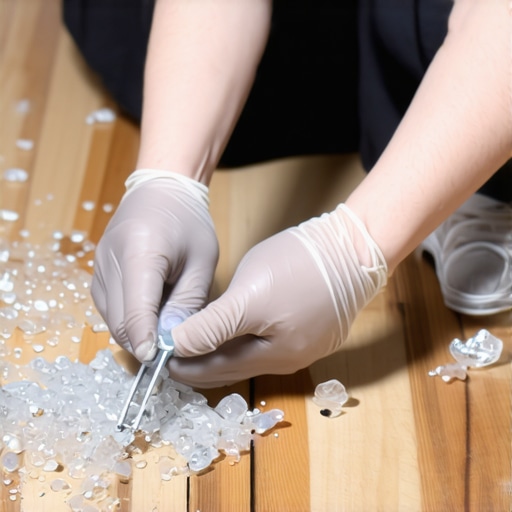
The most compelling reason to hire a glass installer is the risk of catastrophic failure. Annealed glass, often found in older windows and screens, does not break into small cubes like tempered safety glass. It breaks into long, razor-sharp shards. One slip while prying a stubborn sash or trying to force a screen into a frame that has settled can lead to life-altering injuries. We use suction lifters, specialized PPE, and professional-grade flashing tape to ensure that every component is handled with mechanical precision. We don’t just ‘fit’ a screen; we ensure the muntin bars are aligned and the tension is distributed evenly across the frame so the glass isn’t under lateral pressure.
Professional Mobile Service vs. The Hardware Store Kit
A professional mobile service brings a workshop to your driveway. We don’t just carry a roll of mesh; we carry various thicknesses of spline, different alloys of glazing bead, and industrial-grade resins for chip repair. We check the sill pan for debris and ensure that the operable parts of your window move without friction. A DIY repair is a gamble with your home’s most vulnerable points. When you consider the cost of professional tools, the risk of breaking a double-pane seal, and the potential for water damage through a compromised weep hole, the ‘savings’ of doing it yourself vanish instantly. Trust the experts who understand the science of the rough opening and the nuances of glass tension to keep your home safe and efficient.