How to save your factory seal by choosing repair over replacement
The Invisible Integrity of the Factory Seal
In my twenty-five years of handling everything from sixty-story curtain walls to delicate residential sash repairs, I have seen a recurring tragedy: the unnecessary destruction of a perfectly good factory-calibrated window seal. Most homeowners believe that a chip or a minor crack in their glass is a death sentence for the unit. They listen to high-pressure salesmen who insist that once the glass is compromised, the thermal performance is gone. This is a fundamental misunderstanding of fenestration physics. The factory seal, a complex marriage of polyisobutylene primary sealants and silicone or polysulfide secondary sealants, is designed to keep a pressurized environment of argon or krypton gas trapped between the panes. When you choose a same-day glass installer for a mobile service chip repair, you are not just fixing an aesthetic blemish; you are performing a surgical intervention to maintain the structural tension of the glass before the breach becomes permanent.
“Installation is just as critical as the window performance itself. A high-performance window installed poorly will fail.” – AAMA Installation Masters Guide
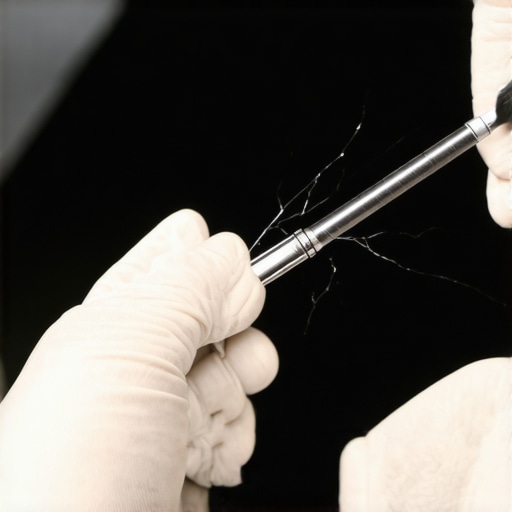
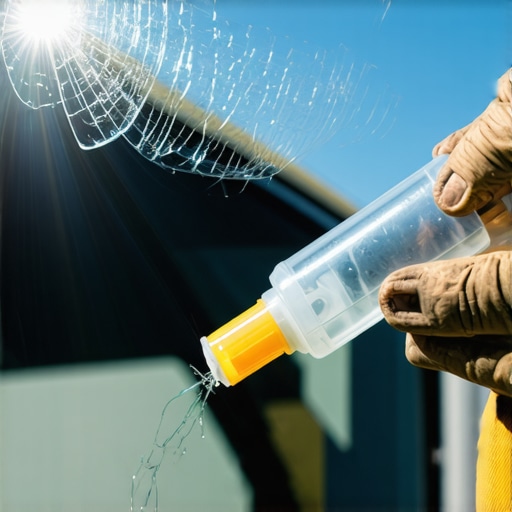
A homeowner in a particularly harsh northern climate once called me in a panic because their relatively new double-pane windows were showing signs of internal condensation. I walked in with my hygrometer and thermal imaging camera and found that the humidity levels inside were normal, but the glass temperature at the bottom of the sash was plummeting. Upon closer inspection, I found a tiny star-break chip caused by a stray stone from a lawnmower. The homeowner had been told they needed a full frame tear-out. I had to explain that the factory seal was still 90% intact, but the thermal stress of the cold winter was causing the glass to expand and contract. This mechanical movement was slowly pulling the glass away from the glazing bead. By utilizing a mobile service to inject a high-viscosity, anaerobic resin into that chip under vacuum pressure, we were able to arrest the crack’s migration and save the expensive factory-pressurized gas fill. This saved them thousands of dollars and preserved the original flashing tape and sill pan integrity of the house.
The Physics of the Thermal Stress Crack
Why is speed so essential in glass repair? To understand this, we must look at the U-Factor and the role of the spacer bar. In cold climates, the temperature differential between the interior glass surface and the exterior pane can be forty degrees or more. This creates immense tension. A chip is a point of concentrated stress. As the sun hits the window, the glass expands. Without the structural continuity of the glass, that expansion forces the chip to become a crack. Once that crack reaches the edge of the glass, it crosses over the spacer bar and punctures the primary seal. At that moment, the argon gas escapes and is replaced by moist atmospheric air. The desiccant inside the spacer bar, which is designed to absorb microscopic amounts of moisture, quickly becomes saturated. This is when you see that permanent, milky fogging that cannot be wiped away. A mobile glass installer can intervene before this saturation occurs, effectively sealing the ‘wound’ and maintaining the vacuum environment that makes the window energy efficient.
The Risk of Unnecessary Replacement
When you replace a window, you are doing more than just swapping glass. You are disturbing the rough opening. You are ripping out the existing weatherproofing, pulling back the siding, and potentially compromising the flashing tape that prevents water from reaching the wooden headers. I have seen countless ‘pro’ installers perform a ‘caulk-and-walk’ where they skip the sill pan and rely entirely on the nailing fin. This is a recipe for rot. By choosing a precision chip repair, you keep the original, factory-set sash in place. You don’t disturb the muntins or the delicate operable balance systems of the window. You avoid the risk of a new installer failing to shim the frame correctly, which often leads to air leakage and frame warping over time. Water management is a science, and the less you disturb the original building envelope, the better protected your home remains.
“The preservation of the building envelope requires that all penetrations, including fenestration units, maintain their structural and thermal integrity throughout their service life.” – ASTM E2112 Standard Practice
Decoding the NFRC Label After a Repair
Does a repair change your NFRC rating? Technically, a professionally cured resin repair restores the glass to its original structural specifications. It maintains the U-Factor by preventing the gas leak that usually follows a crack. In northern climates, keeping that Low-E coating on Surface 3 intact is vital for reflecting long-wave infrared radiation back into your living space. If you allow the seal to fail and the gas to leak, your U-Factor can spike, making your heating system work twice as hard. Same-day service is not a luxury; it is a maintenance requirement. The resin used by a professional glass installer has a refractive index nearly identical to the glass itself, meaning it not only fixes the strength but also restores the visible transmittance (VT) of the pane. Don’t be fooled by the myth that a chip means the window is ‘broken.’ It is simply a technical challenge that requires a precise, mobile response to keep the factory seal performing for another twenty years.