The difference between a surface pit and a structural crack
Understanding the Molecular Vulnerability of Your Windows
In my twenty five years as a glass installer, I have seen thousands of homeowners stare at a mark on their window and ask the same question: Is this just a scratch, or is my window about to fail? To most, glass is a static, solid object. To a master glazier, glass is a high viscosity liquid that is constantly managing internal and external stresses. When you see a mark, you are looking at a disruption in the structural equilibrium of the pane. Whether you are dealing with a residential sash or a commercial storefront, identifying the difference between a surface pit and a structural crack is the difference between a simple chip repair and an expensive full frame replacement.
I remember a specific case where I was called to a home where a previous installer relied solely on the nailing fin instead of proper flashing tape and a sill pan. The window was slightly out of level in the rough opening, putting a microscopic amount of torque on the frame. The homeowner pointed to a tiny mark they thought was a surface pit. I took one look at it and realized it was a stress crack originating from the glazing bead. Because the shims were placed incorrectly, the weight of the wall was bearing down on the edge of the glass. Two days later, that ‘pit’ had traveled six inches across the pane. This is why precision matters.
“Installation is just as critical as the window performance itself. A high-performance window installed poorly will fail.” – AAMA Installation Masters Guide
The Anatomy of a Surface Pit
A surface pit is a localized area where a small piece of glass has been physically removed from the surface, typically by a high velocity impact. Think of a pebble hitting a windshield or a piece of debris from a lawnmower striking an operable window. In the world of mobile service glass repair, a pit is often manageable. When we look at a pit under magnification, we see a crater. The structural integrity of the surrounding glass is usually intact, provided the impact did not penetrate the tension zone of the pane. Glass is strongest in compression and weakest in tension. A pit resides in the outer compression layer. If you catch a pit early, a glass installer can use a same-day vacuum injection process to fill the void with a clear UV-cured resin. This resin has a refractive index nearly identical to silica glass, which not only hides the blemish but also prevents water from entering the pit and freezing. In cold climates, water trapped in a pit is a death sentence. When that water freezes, it expands with a force of roughly 30,000 pounds per square inch, acting as a hydraulic wedge that transforms a pit into a structural crack.
The Science of the Structural Crack
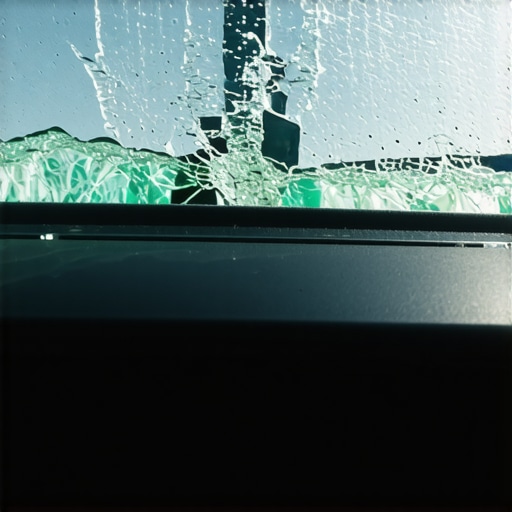
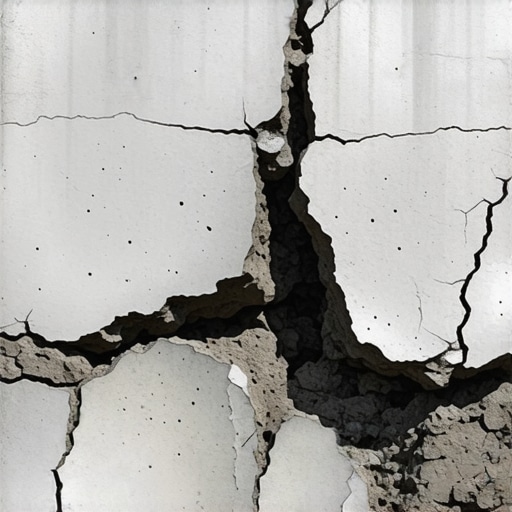
A structural crack is an actual separation of the glass molecules. Unlike a pit, which is a ‘missing’ piece, a crack is a ‘failed’ bond. Cracks are often the result of thermal stress or mechanical pressure. In northern climates, we deal with extreme temperature differentials. If you have a high performance Low-E coating on Surface #3 to reflect heat back into the room, the temperature of the glass itself can vary significantly from the edge to the center. If the muntins or the glazing bead are trapping heat against the edge of the glass while the center is exposed to a frigid January wind, the resulting thermal expansion can exceed the glass’s elastic limit. This is when you see a ‘stress crack’ that typically starts at the edge and moves in a wandering, serpentine pattern. These cannot be repaired. A mobile service can perform a chip repair on a pit, but a structural crack requires a new unit. Once the tension is broken, the argon or krypton gas fill escapes, and the U-Factor of your window plummets, leading to condensation and eventual rot in the rough opening.
Why the Rough Opening and Shims Matter
Many ‘caulk and walk’ installers ignore the importance of the rough opening. When I install a window, I ensure the shims are placed at the load bearing points of the sash. If a window is not perfectly plumb, level, and square, the glass is constantly fighting the frame. You might not see a crack today, but the moment the building settles or the temperature drops, that mechanical stress finds the weakest point. A glass installer who understands the physics of the sill pan and weep hole knows that moisture management is also glass protection. If water is trapped in the sash because the weep holes are clogged, it can degrade the laminated interlayer or the spacer bar, leading to edge failure and cracking.
“The fenestration product must be installed into a rough opening that is structurally sound and free of debris to prevent unnecessary stress on the glazing unit.” – ASTM E2112 Standard Practice
The Physics of Thermal Stress in Cold Climates
In cold regions, the goal is heat retention. We use dual or triple pane units with warm edge spacers. These spacers are designed to reduce the thermal bridge between the interior and exterior glass. If you have a structural crack, that thermal bridge is compromised. I often tell homeowners that a crack is like a thermal leak. It is not just about the aesthetics. A cracked pane allows the argon gas to dissipate, which is the primary barrier against heat loss. The U-Factor, which measures the rate of heat transfer, will spike. This leads to the interior surface of the glass becoming cold enough to reach the dew point, resulting in condensation that drips down into the wood sash and causes mold. Our same-day mobile service prioritizes these failures because a window is a hole in your thermal envelope that needs to be sealed immediately.
Identifying the Danger: The Pen Test
A simple way to tell the difference is the pen test. Run a ballpoint pen across the mark. If the pen drops into a crater, it is likely a pit. If the pen catches on a line but stays on the surface, or if the line is visible inside the glass from an angle, it is a crack. A pit is a candidate for chip repair. A crack is a signal for replacement. Do not be fooled by high pressure salesmen who tell you that a cracked pane can be ‘welded’ back together with resin. Structural cracks in residential or commercial glass are permanent. The resin used in chip repair is designed for small, contained impacts, not for structural stabilization of a running crack. If the crack has reached the edge of the glass, the glazing bead can no longer provide the necessary tension to hold the unit safely, especially under wind loads.
The Role of the Professional Glass Installer
Choosing a mobile service with an actual master glazier ensures that your chip repair is done with professional grade resins and vacuum equipment. We don’t just fill the hole; we stabilize the compression layer. When we perform a same-day repair, we are looking at the sash, the weep holes, and the flashing tape to ensure there aren’t larger issues at play. Most people don’t realize that a window that is difficult to operate is often a sign of a frame that is bowing and putting pressure on the glass. Water management, thermal dynamics, and structural integrity are all linked. If you ignore a ‘tiny’ pit today, you are inviting a structural failure tomorrow. My advice? Don’t wait until you can hear the wind whistling through the glass. Get a professional glass installer to evaluate the integrity of your glazing before the next cold front hits. Your home’s energy efficiency and your own comfort depend on a window that is structurally sound and properly installed.