The secret to making your windshield repair nearly invisible
Understanding the Physics of Optical Clarity in Glass Repair
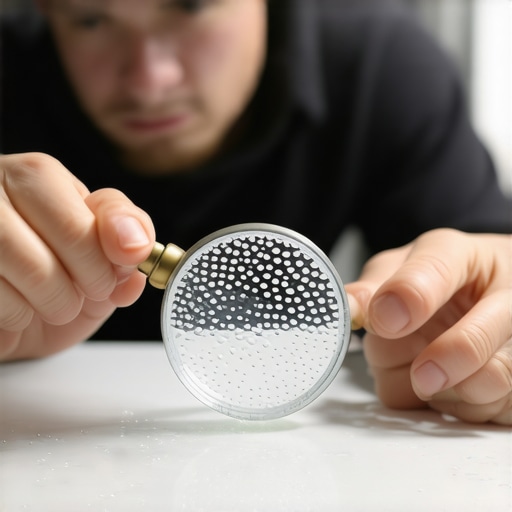
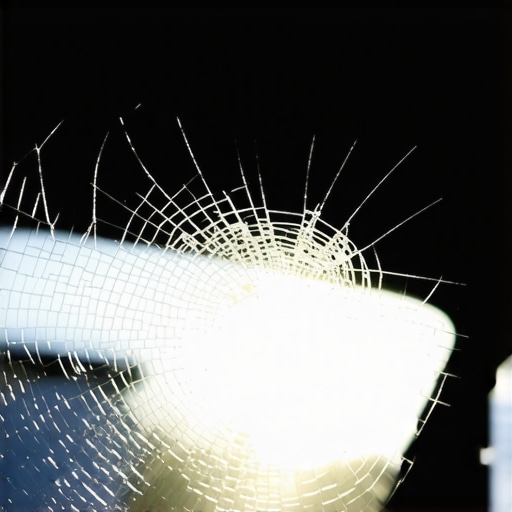
Most people look at a windshield chip and see a minor annoyance. As a master glazier with a quarter-century in the trade, I see a complex failure in a laminated soda-lime glass system. The secret to making a repair nearly invisible isn’t found in a cheap DIY kit from an auto parts store; it is found in the precise manipulation of the refractive index and the total evacuation of air from the break. When a rock hits your glass, it creates a void between the two layers of glass and the polyvinyl butyral (PVB) interlayer. That silver or black reflection you see isn’t the damage itself, but the air trapped inside the fracture. To make it disappear, we have to replace that air with a specialized resin that mimics the optical properties of glass perfectly.
“Installation is just as critical as the window performance itself. A high-performance window installed poorly will fail.” – AAMA Installation Masters Guide
The Contamination Crisis: A Narrative of Failed Repairs
A homeowner called me in a panic because their new windshield repair was ‘sweating’ and looked cloudier than before it was fixed. I walked in with my hygrometer and showed them the humidity was 60 percent. It wasn’t the resin; it was their lifestyle choices and the timing of the repair. They had run the car through a high-pressure car wash right before the mobile service arrived. Water was trapped inside the break. I explained that water and resin are like oil and vinegar. If you don’t dry out the rough opening of that chip with a moisture evaporator, the resin will never bond to the PVB. This is the difference between a glass installer who knows the science and a ‘caulk-and-walk’ technician who just wants to collect a check and move to the next job.
The Science of the Refractive Index
To achieve a nearly invisible finish, the glass installer must match the resin’s refractive index to the glass. For standard automotive glass, this is approximately 1.52. If the resin is even slightly off, light will bend as it passes through the repair, creating a visible shimmer or ‘ghost’ image. We use various viscosities of resin depending on the temperature and the type of break. A star break requires a thinner resin to reach the tips of the microscopic fissures, while a bullseye requires a thicker resin to provide structural support. This is where the physics of capillary action comes into play. Without the proper bridge and injector setup, you cannot create the vacuum necessary to pull the air out before forcing the resin in.
The Thermal Dynamics of Mobile Service in Hot Climates
In a southern climate where the sun is relentless, managing the solar heat gain (SHGC) during a same-day chip repair is the most difficult part of the job. If the glass surface temperature is too high, the resin will flash-cure before it has fully permeated the break. This is why a professional glass installer will always shade the glass and potentially use a cooling fan. We are looking at Low-E properties even in automotive glass. Most modern windshields have a coating on Surface #2 to reflect heat outside. If you repair a chip on a hot day without controlling the temperature, the glass expands, tightening the fracture and making it impossible for the resin to enter. Once the glass cools and contracts, the repair will fail, and the crack will spread across your entire field of vision.
“Standard practice for installation requires that all surfaces be clean, dry, and free of any contaminants that would impede the bond of the glazing materials.” – ASTM E2112
The Anatomy of a Professional Repair
The process starts with cleaning the pit, the point of impact where the rock first struck. We use a carbide scribe to remove loose glass shards. If this isn’t done, the debris acts like a dam, preventing the resin from flowing. Then, the bridge is mounted. This isn’t just a suction cup; it’s a precision tool that allows for micro-adjustments. We perform multiple vacuum cycles. You can actually see the air bubbles being pulled out. Once the vacuum is held, we switch to a pressure cycle, forcing the resin into every microscopic crack. We then use a curing light at a specific UV wavelength to polymerize the resin. Finally, a pit resin is applied to the surface, cured, and scraped flush with a razor blade until it is perfectly level with the surrounding glass. This level of detail is what makes a mobile service repair last for the life of the vehicle.
Why Same-Day Service is Non-Negotiable
Waiting even forty-eight hours to call for a chip repair is a recipe for disaster. Dirt, road salt, and windshield washer fluid are constantly being forced into the break. Once those contaminants are in there, they are nearly impossible to remove entirely. Even with the best vacuum cycles, a contaminated break will never be as clear as a fresh one. A same-day repair ensures that the glass installer is working with a clean ‘rough opening’ in the glass. This is why we prioritize same-day mobile service. We are racing against the clock and the environment to preserve the factory seal of your windshield. Replacing an entire windshield is a much more invasive process that involves cutting through the urethane bead, which can lead to leaks and rust if not done by a master. Repairing the chip is always the superior option for the structural integrity of the vehicle.
Technical Trade Cant and the Final Polish
Every glazier knows that the glazing bead and the quality of the resin are what stand between a successful repair and a structural failure. When we talk about the ‘muntins’ of a house window, we are talking about structural divisions, but in a windshield, the PVB layer is our only structural defense. If that interlayer is compromised by moisture or UV degradation because of a poor repair, the safety of the vehicle is at risk. A professional repair involves using a polishing compound at the very end to match the luster of the original glass. We aren’t just filling a hole; we are restoring an optical instrument. Don’t buy the hype of a ten-minute fix. A real, high-quality repair takes time, the right climate conditions, and an installer who understands that glass is a liquid that just happens to be very, very slow-moving.