Why your mobile glass installer needs to check your wipers
The Science of the Surface: Why Your Glass Integrity Depends on Two Strips of Rubber
In my two and a half decades as a master glazier, I have seen every imaginable failure of transparent structural materials. From high-rise curtain walls to the laminated safety glass of a modern sedan, the principles of physics do not change. A glass installer who simply swaps a windshield without inspecting the mechanical interface of the wiper system is doing a half-baked job. Most people view a windshield as a static piece of clear material, but in reality, it is a high-performance laminate subject to immense thermal stress and mechanical abrasion. When you request a mobile service for a same-day chip repair, you are not just buying a cosmetic fix; you are performing a structural intervention on the vehicle’s safety envelope. If the wipers are neglected, that repair is doomed from the first rainstorm.
A homeowner called me in a panic because their new windows were sweating. I walked in with my hygrometer and showed them the humidity was 60 percent. It was not the windows; it was their lifestyle choices and lack of proper ventilation. The same logic applies to automotive glass. I once had a client insist that their newly installed windshield was defective because it developed micro-scratches within a week. Upon inspection, the wiper blades were so dry-rotted that the metal carrier was making direct contact with the glass surface. This is the hallmark of the caulk-and-walk installer: they focus on the glass and ignore the environment in which that glass must survive. In our northern climate, where the dew point drops rapidly and the U-factor of your glass determines how much frost accumulates, the health of your wipers is the first line of defense against thermal shock and mechanical degradation.
The Physics of Laminated Glass and Thermal Stress
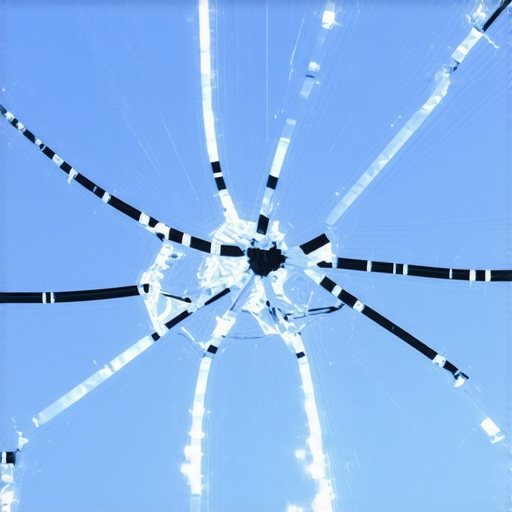
To understand why wipers matter, you must understand the glazing zoom of the material itself. Modern windshields are composed of two layers of annealed glass bonded by a polyvinyl butyral (PVB) interlayer. This sandwich construction is designed to manage energy. While structural windows in a home use argon or krypton gas to manage the U-factor, automotive glass relies on the density of the laminate to provide both safety and thermal insulation. When a stone creates a chip, it breaks the tension of the outer layer. A mobile service technician performing a chip repair must inject a resin that matches the refractive index of the glass perfectly. However, if the wiper blades are worn, they drag particulate matter (silica, road salt, and carbon) across that resin before it has fully cross-linked. This creates a site for moisture to penetrate, which leads to delamination during the next freeze-thaw cycle.
“Installation is just as critical as the window performance itself. A high-performance window installed poorly will fail.” – AAMA Installation Masters Guide
In cold climates like Chicago or Minneapolis, the relationship between the glass installer and the wiper system is even more critical. When the temperature drops, the glass contracts. If you have a chip that has not been repaired, the differential expansion between the inner and outer glass layers will cause the crack to spread. This is why same-day service is not a luxury; it is a technical necessity. A professional glass installer will check the wipers because they know that a blade with nicks or tears will hold water against the glass. This water can freeze in the rough opening of the chip, expanding and shattering the repair. The weep hole logic we use in residential glazing applies here too: moisture must be directed away from the seal, not trapped against it by a failing rubber blade.
The Anatomy of a Professional Mobile Installation
When I arrive for a mobile service call, the first thing I look at is not the crack, but the condition of the glass surroundings. Is the cowl drainage clear? Are the wipers maintaining proper tension? We use shims and setting blocks in structural glazing to ensure the glass is not under point-load pressure. In a vehicle, the urethane bead acts as both the adhesive and the shim. If the glass installer does not ensure that the glass is seated correctly within the pinchweld, the wipers will not have the correct contact angle. This leads to chatter, which sends vibrations through the glass. Over time, these high-frequency vibrations can fatigue the bond between the glass and the urethane, especially in colder climates where the adhesive is less compliant.
“Glazing systems must be designed to withstand wind loads and environmental stressors while maintaining a moisture-tight seal.” – ASTM E2112 Standard Practice
I often talk about the Solar Heat Gain Coefficient (SHGC) when I am installing Low-E coatings on Surface 3 of a residential window to reflect heat back inside. In the automotive world, the glass installer must consider how the glass interacts with the cabin’s climate control. If your wipers are streaking, you are forced to run your defroster at higher temperatures for longer periods. This creates a massive thermal gradient across the glass: sub-zero temperatures on the exterior and 75 degrees on the interior. This gradient is the primary cause of chip propagation. By ensuring your wipers are functional, the glass installer is actually helping you manage the thermal load on your windshield, preventing the need for a full replacement later.
The Fallacy of the Cheap Replacement
Many people opt for the cheapest mobile service they can find, but they forget that the glass is a structural component of the vehicle. In a rollover, the windshield provides up to 60 percent of the cabin’s structural integrity. A master glazier knows that every detail matters, from the primer used on the pinchweld to the quality of the glazing bead or molding. If an installer ignores your wipers, they are likely ignoring other critical details. Are they checking for rust in the rough opening? Are they using a high-modulus urethane that matches the OEM specifications? The wipers are the canary in the coal mine. A technician who takes the time to inspect them is a technician who understands that the glass is part of a larger, integrated system designed for water management and safety.
We must also discuss the role of hydrophobic coatings. Many same-day chip repair services offer a glass treatment. This is not just a gimmick. In high-latitude regions, these coatings increase the surface tension of the glass, causing water to bead and roll off. This reduces the mechanical load on the wiper motor and the friction on the glass surface. However, if you apply a high-end coating but use old, abrasive wipers, you are essentially sandpapering your glass every time it rains. The friction from a degraded wiper blade can reach temperatures high enough to cause microscopic surface checking in the glass, which obscures vision and creates glare from oncoming headlights at night.
[IMAGE_HERE]
Precision Matters: From Muntins to Mouldings
While we do not use muntins or sashes in automotive glass, the precision required for a mobile service is no less than that of a historic wood sash replacement. The tolerance for a windshield install is measured in millimeters. If the glass is slightly skewed, the wiper arm may over-extend and strike the A-pillar, or it may fail to clear the sensor array used for Advanced Driver Assistance Systems (ADAS). Most modern windshields contain cameras and rain sensors that are glued to the glass. These sensors rely on a clear, streak-free view provided by the wipers. If your glass installer does not calibrate these systems and check the wipers, your automatic emergency braking or lane-keep assist could fail when you need it most. This is why we focus on the technical details rather than just the aesthetic ones.
The next time you call for a glass installer, pay attention to their process. Do they talk about the cure time of the adhesive? Do they mention the dew point? Do they inspect the wiper blades for signs of rubber fatigue? If they don’t, you are looking at a caulk-and-walk job that might leave you with a leaking seal or a cracked windshield within months. A true professional understands that their reputation is bonded to that glass just as much as the urethane is. We manage the hole in your wall or your car, ensuring that heat, light, and water are exactly where they are supposed to be: on the outside. Do not settle for a service that ignores the most active mechanical part of your glazing system. The synergy between high-performance glass and a functional wiper system is the only way to ensure long-term visibility and structural safety.