Why your car insurance might pay for a mobile technician
The Physics of a Fractured Windshield: Understanding the Structural Risk
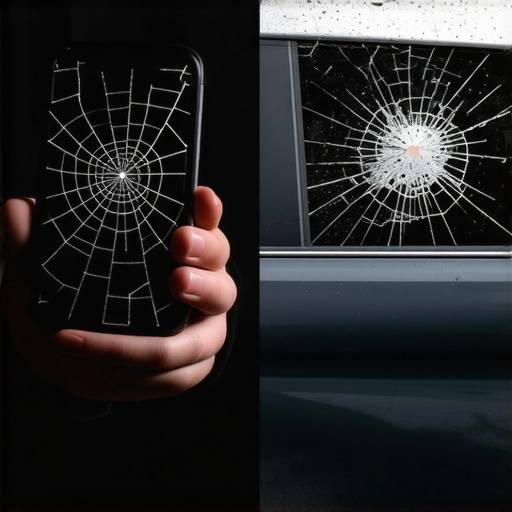
A window is not merely a static piece of glass; it is a high-performance structural component that manages pressure, thermal energy, and moisture. When we discuss a windshield, we are looking at a sophisticated laminated assembly. Unlike the tempered glass in your side windows which is designed to shatter into thousands of tiny pebbles, the windshield is a three-layer sandwich consisting of two sheets of glass bonded by a polyvinyl butyral (PVB) interlayer. This construction is what keeps occupants inside the vehicle during a collision, yet it is also what makes it susceptible to the specific types of damage that require a glass installer. When a pebble strikes this surface, it does not just leave a mark; it creates a breach in the tension of the glass. Chip repair is not about aesthetics; it is about restoring the structural integrity of that laminated bond before the cycle of thermal expansion and contraction turns a three millimeter divot into a three foot crack.
The Narrative: A Lesson in Thermal Stress
I recall a specific instance where a homeowner called me in a panic because their new windows were ‘sweating’ and eventually one cracked right before their eyes. I walked in with my hygrometer and showed them the humidity was 60 percent. It was not the windows; it was their lifestyle and the massive temperature differential they were forcing upon the glazing. This same principle applies to your vehicle. I have seen countless drivers in northern climates ignore a tiny stone chip for months. They drive to work in sub-zero temperatures, and the moment they blast the defroster, the interior layer of glass expands rapidly while the exterior layer remains contracted by the freezing air. The stress concentrates at the point of the chip, and the glass ‘runs.’ This is the precise moment a simple repair becomes an expensive replacement. This is why same-day action is not a convenience; it is a technical necessity to prevent total failure of the glazing unit.
“Installation is just as critical as the window performance itself. A high-performance window installed poorly will fail.” – AAMA Installation Masters Guide
Why Insurance Providers Incentivize Mobile Service
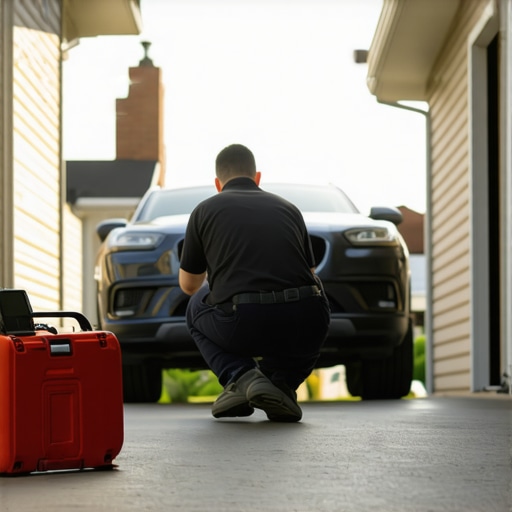
From an actuarial standpoint, car insurance companies are deeply invested in the science of glass. They understand that a mobile service technician dispatched to perform a chip repair costs significantly less than a full windshield replacement. Most comprehensive insurance policies will waive the deductible entirely for a repair because they want to avoid the high cost of a new OE (Original Equipment) windshield and the associated calibration of ADAS (Advanced Driver Assistance Systems) cameras. When a glass installer arrives at your location, they are performing a surgical injection of a specialized curable resin. This resin must have a refractive index nearly identical to the glass itself. If the technician does not properly clean the break or fails to reach the bottom of the ‘bullseye,’ the repair will fail, and the structural bond will remain compromised. A professional uses a vacuum-pressure tool to extract air from the break before injecting the polymer, ensuring that no microscopic bubbles remain to catch the light or harbor moisture.
The Technical Difference: Lamination vs. Structural Integrity
In the North where heat loss and condensation are the primary enemies, we focus on the U-Factor of the glazing. In a vehicle, the windshield actually contributes to the structural rigidity of the roof. If you have a compromised windshield, the safety of the entire ‘Rough Opening’ of the car frame is at risk. While an architectural window uses a Glazing Bead or Sill Pan to manage water, a windshield uses a bead of high-modulus urethane. If the original installer was a ‘caulk-and-walk’ amateur, they might have left gaps in the urethane that allow moisture to reach the pinchweld. This leads to rust, which is the equivalent of the rot I find behind Flashing Tape in a poorly installed residential window. When you hire a mobile service, the environment must be controlled. If it is raining or if the glass is too hot from the sun, the resin will not cure at the correct molecular density, leading to a cloudy and weak repair.
“Thermal stress can lead to spontaneous fracture in glass that already possesses edge damage or surface defects.” – ASTM Standards for Glazing
The Anatomy of the Repair Process
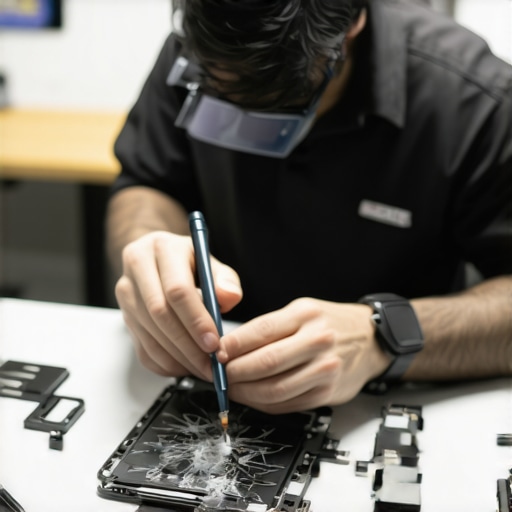
The process of chip repair involves several critical stages that mimic the precision of high-end architectural glazing. First, the glass installer must probe the impact point to remove any loose shards. Next, they use a bridge and injector assembly to create a seal over the break. This is where the physics of ‘Glazing Zooming’ becomes apparent. The technician applies a vacuum to pull the air out of the microscopic fissures. Without this vacuum stage, the resin would just sit on top, leaving the ‘legs’ of the crack visible and weak. Then, the pressure is reversed, forcing the resin into the void. Finally, a UV light is used to trigger the polymerization. This is the same logic we use when specifying Low-E coatings for a building; we are manipulating the properties of the glass to achieve a specific performance outcome. If the same-day service is performed correctly, the repair is nearly invisible and the glass is as strong as it was when it left the factory.
Conclusion: Precision Matters
Do not be fooled by the simplicity of a mobile setup. The science behind glass repair is complex, involving chemical bonding, thermal dynamics, and mechanical pressure. Whether you are dealing with an operable window in a home or a windshield in a car, the management of the ‘hole in the wall’ (or the hole in the vehicle) requires a specialist who understands that a Sash or a windshield must be perfectly aligned and sealed. Using your insurance for a mobile service chip repair is the smartest way to maintain your safety and the longevity of your vehicle glass. Don’t wait for the crack to spread; call a professional glass installer who treats a windshield with the same respect a master glazier treats a skyscraper curtain wall. { “@context”: “https://schema.org”, “@type”: “LocalBusiness”, “name”: “Professional Mobile Glass Repair”, “description”: “Expert mobile glass installer providing same-day chip repair and windshield services.”, “address”: { “@type”: “PostalAddress”, “addressLocality”: “National”, “addressCountry”: “US” }, “serviceType”: “Mobile Glass Repair”, “offers”: { “@type”: “Offer”, “description”: “Insurance-covered mobile chip repair” } }