Why your car ADAS system needs a reset after glass work
The Optical Precision of Modern Fenestration
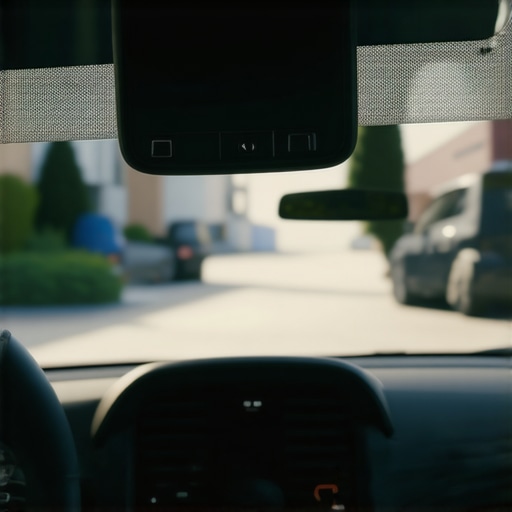
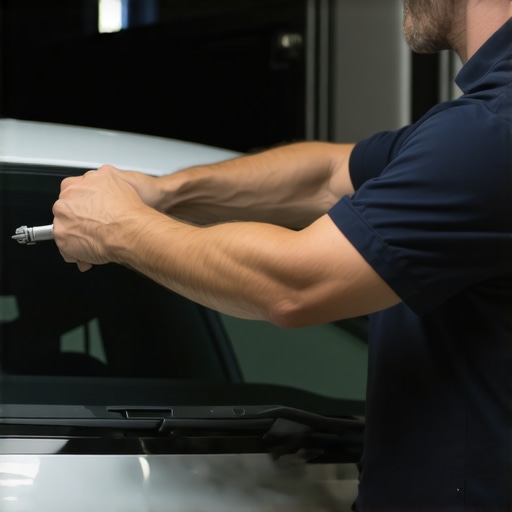
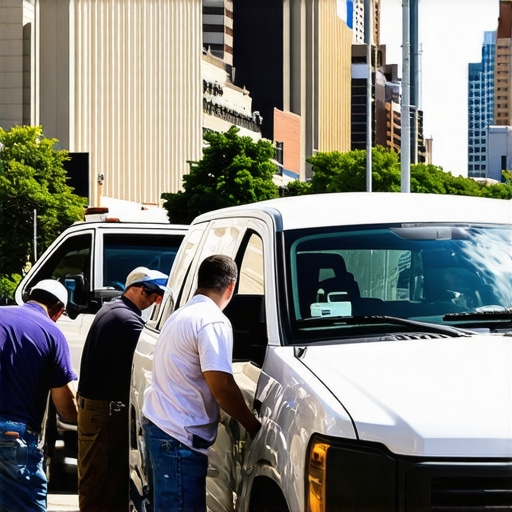
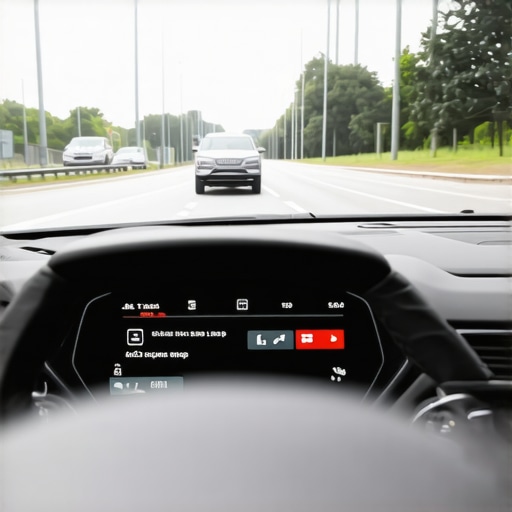
Most vehicle owners view their windshield as little more than a transparent bug shield or a wind deflector. In my twenty-five years as a master glazier, I have seen this misconception lead to catastrophic structural failures. Whether I am hanging a multi-ton glass lite on a skyscraper or overseeing a precise auto glass replacement, the physics of transparency and structural integrity are non-negotiable. A modern windshield is no longer just a piece of laminated glass; it is a sophisticated optical lens for the vehicle Advanced Driver Assistance Systems (ADAS). When a glass installer performs a same-day swap, they are not just replacing a part; they are resetting a complex safety geometry that relies on microscopic tolerances.
“Installation is just as critical as the window performance itself. A high-performance window installed poorly will fail.” – AAMA Installation Masters Guide
A homeowner called me in a panic because their new windows were ‘sweating.’ I walked in with my hygrometer and showed them the humidity was 60 percent. It wasn’t the windows; it was their lifestyle. I see this exact same diagnostic confusion in the automotive sector. A driver experiences a lane-departure warning failure after a mobile service visit and blames the electronics, when the actual culprit is a glass installer who failed to account for the refractive index of the replacement laminate. If the glass is even one millimeter out of alignment within the rough opening of the vehicle frame, the camera system’s field of vision is compromised. This is not a matter of ‘close enough.’ It is a matter of mathematical certainty.
The Physics of Refraction and the ADAS Camera
To understand why a reset is mandatory, we must look at the science of light. Every piece of glass has a specific refractive index. When light passes from the air through the glass and into the ADAS camera lens, it bends. Automotive engineers design the software algorithms based on the exact thickness and curvature of the OEM (Original Equipment Manufacturer) glass. When you opt for a chip repair or a full replacement, any deviation in the glass density or the angle of the pitch can throw the sensor data into a tailspin. In colder climates like Chicago or Minneapolis, the U-Factor of the glass and the thermal expansion of the urethane bead become critical factors. If the glass is installed in sub-zero temperatures without proper climate control, the curing process can actually pull the glass slightly out of its intended position, creating a prism effect that blinds the LiDAR or camera sensors.
The Difference Between Static and Dynamic Calibration
When your glass installer speaks about recalibration, they are referring to two distinct processes. Static calibration is performed in a controlled environment using specialized targets. This requires a perfectly level floor—think of it as setting the shim and level for a massive wood sash. If the floor is off by even a fraction of a percent, the entire calibration is flawed. Dynamic calibration, on the other hand, involves driving the vehicle at specific speeds on well-marked roads to allow the computer to ‘learn’ its surroundings. For a mobile service provider, dynamic calibration is often the only option, but it is highly dependent on weather conditions and road clarity. If you are in a region plagued by heavy snow or salt spray, the sensor’s ability to lock onto lane markers is severely diminished during the learning phase.
“The integrity of the building envelope depends on the proper integration of all fenestration products.” – ASTM E2112 Standard Practice
The role of the urethane bead cannot be overstated. In the world of commercial glazing, we talk about the ‘bite’ of the sealant. In auto glass, the urethane provides the structural bond that keeps the roof from caving in during a rollover. If a technician uses a low-quality adhesive or fails to clean the pinchweld properly, the glass may shift during the first few hours of driving. This shift is invisible to the naked eye but is a massive deviation for an ADAS camera. This is why the ‘caulk-and-walk’ mentality is so dangerous. A professional glass installer ensures the glass is centered perfectly within the cowl and the pillars, maintaining the exact focal point required for the safety tech to function.
Why Same-Day Service Requires Technical Discipline
The demand for same-day chip repair and glass replacement has forced many shops to cut corners. However, the chemistry of the bond does not care about your schedule. In northern climates, we deal with the ‘Enemy of Heat Loss.’ When a car moves from a warm garage to a freezing street, the glass undergoes thermal shock. This can affect the curing of the seal and the positioning of the ADAS bracket. A master glazier knows that the weep holes in a window frame are there for a reason, just as the positioning of the ADAS bracket is fixed for a reason. You cannot simply glue a camera back onto the glass and expect it to work. The bracket must be factory-aligned to ensure the pitch, roll, and yaw of the camera match the vehicle’s centerline.
The Myth of ROI and Safety Performance
Many people ask about the ROI of high-end glass. In residential glazing, it takes decades to see a return in energy savings. In automotive glazing, the ROI is measured in milliseconds—the time it takes for your Automatic Emergency Braking to engage when a pedestrian steps into the road. If your ADAS is not reset, those milliseconds are lost. The system might ‘see’ the obstacle three feet to the left of where it actually is because the glass curvature slightly distorted the image. This is why you must ignore the high-pressure sales pitch of the ‘Tin Man’ installers who claim calibration is optional. It is a fundamental part of the installation process. When we talk about the ‘Shingle Principle’ in roofing and window flashing, we are talking about directing water away from the structure. In ADAS calibration, we are talking about directing data correctly into the vehicle’s brain. One failure in the chain leads to a total system breakdown. Always ensure your technician uses a digital inclinometer to verify the glass angle before and after the calibration process. This is the only way to guarantee that the hole in your vehicle’s safety net has been properly patched.
{“@context”:”https://schema.org”,”@type”:”HowTo”,”name”:”How to Ensure Proper ADAS Recalibration”,”step”:[{“@type”:”HowToStep”,”text”:”Verify the technician uses OEM-spec glass to maintain the correct refractive index.”},{“@type”:”HowToStep”,”text”:”Ensure the vehicle is on a level surface for static calibration.”},{“@type”:”HowToStep”,”text”:”Allow the urethane bead to reach its full initial cure before starting dynamic calibration.”},{“@type”:”HowToStep”,”text”:”Request a post-calibration report showing the sensor alignment angles.”}]}