Why you should never use superglue on a cracked phone screen
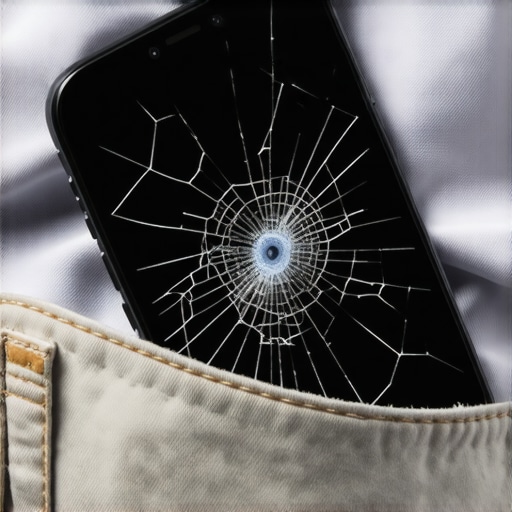
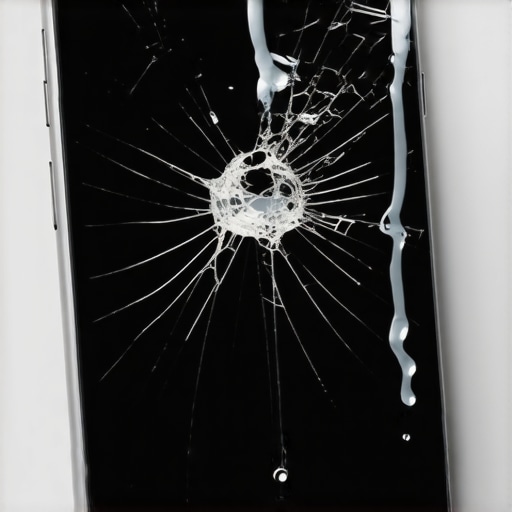
I have spent over twenty five years in the glazing industry, handling everything from the massive curtain walls of metropolitan skyscrapers to the delicate restoration of century old leaded glass. I have seen every DIY disaster imaginable, but nothing quite matches the technical catastrophe that occurs when a homeowner decides to treat a high performance mobile device screen with the same logic they use to fix a broken ceramic mug. People often forget that a smartphone screen is not just a piece of glass; it is a complex, multi layered optical assembly that functions as a structural barrier for a precision instrument. When you see a crack, you are looking at a failure in the structural integrity of a specialized lite. Thinking that a bottle of cyanoacrylate, or superglue, can resolve a fracture in a high modulus silicate glass is not just optimistic; it is a fundamental misunderstanding of material science. I recall a specific instance where a client called me in a total panic because their mobile device screen appeared to be sweating from the inside after they tried to seal a minor crack. I walked in with my digital hygrometer and a thermal imaging camera to show them that the internal humidity of the device had spiked to nearly sixty percent. It was not the glass that had failed; it was their lifestyle of attempting a DIY chemical fix that had trapped moisture and chemical vapors within the assembly. This is the classic Condensation Crisis on a microscopic scale. By applying an unvetted adhesive, they had effectively destroyed the thermal equilibrium of the device, creating a micro climate that was actively corroding the delicate circuitry beneath the sash. In the world of professional glazing, we understand that any aperture in a wall, whether it is a ten foot window or a six inch screen, must manage heat, light, and vapor. When you introduce superglue into a cracked screen, you are violating the most basic principles of glass maintenance and chip repair. Superglue is a rigid, brittle polymer that does not share the same coefficient of thermal expansion as the aluminosilicate glass used in modern mobile devices. As your phone heats up during a charging cycle or under the heavy load of an application, the glass and the glue expand at wildly different rates. This creates localized stress concentrations at the crack tip, often causing the fracture to propagate further across the surface. This is the exact reason why we avoid certain rigid sealants in architectural applications where thermal movement is expected.
“Installation is just as critical as the window performance itself. A high performance window installed poorly will fail.” – AAMA Installation Masters Guide
This industry standard applies perfectly here. Even the most advanced Gorilla Glass will fail if the installation, or in this case the repair, is handled with subpar materials. Beyond the structural risks, there is the issue of optical clarity and refractive index matching. Professional chip repair in the automotive or architectural sectors utilizes specialized resins that are engineered to match the refractive index of the glass. Superglue, on the other hand, has a refractive index that creates a silvering effect inside the crack, making the damage more visible rather than less. It is a messy, unscientific approach that lacks the precision of a mobile service professional. Furthermore, the chemistry of superglue is inherently hostile to mobile electronics. Most superglues cure through a process called anionic polymerization, which can release acidic outgassing. In the confined rough opening of a phone frame, these vapors cannot escape. They settle on the underside of the glass and the surface of the digitizer, causing a permanent fogging effect that no amount of cleaning can remove. This is why a professional glass installer will always recommend a same day screen replacement or a certified resin injection over a home remedy. We have to look at the physics of the assembly. A phone screen is essentially a laminated unit. When that lamination is breached, the primary goal is to prevent moisture ingress and maintain the structural bond between the glass and the frame.
“The primary purpose of any flashing or sealant system is to direct water away from the structural components and provide a continuous air barrier.” – ASTM E2112 Standard Practice
When you apply superglue, you are not creating a flashing system; you are creating a dam. This dam traps skin oils, sweat, and environmental moisture against the sensitive internal components. I have seen phones where the superglue actually wicked moisture into the LCD via capillary action, turning a simple fifty dollar chip repair into a total loss of the device. If you are in a hot climate, the situation is even worse. The high Solar Heat Gain Coefficient of a mobile screen means it absorbs a massive amount of radiant energy. This heat accelerates the chemical breakdown of the superglue, leading to a yellowing of the adhesive and a complete loss of adhesion. A professional mobile service technician understands that the only way to truly fix a screen is to respect the tolerances of the rough opening and ensure that the glazing bead, or the adhesive gasket, is perfectly seated. Using a home adhesive is the equivalent of a caulk and walk installer trying to fix a rotted sill with a tube of cheap silicone. It might look sealed for an hour, but the underlying pathology remains. The next time you see a crack in your glass, do not reach for the superglue. Contact a professional who understands the science of glass tension, the chemistry of optical resins, and the necessity of maintaining a proper vapor barrier. Anything less is just waiting for the rot to set in.