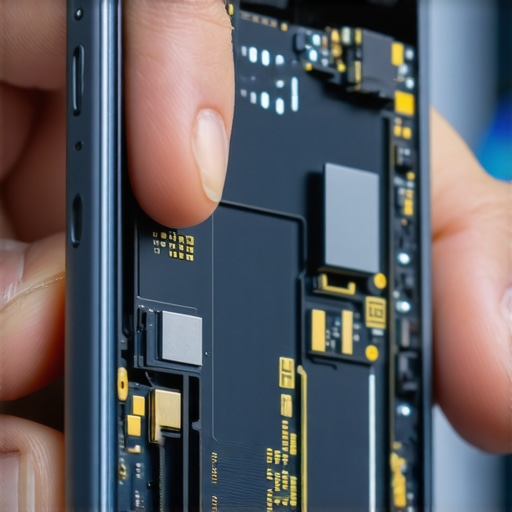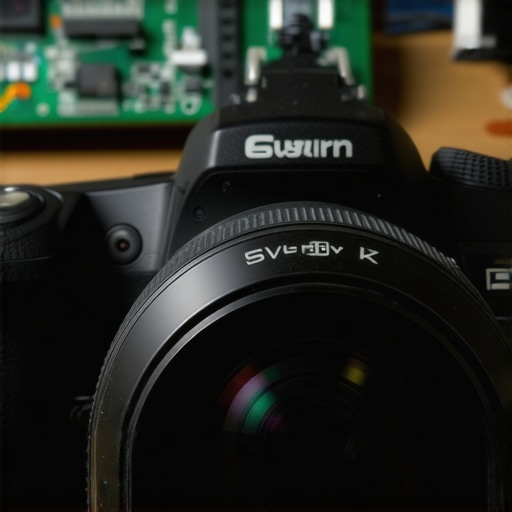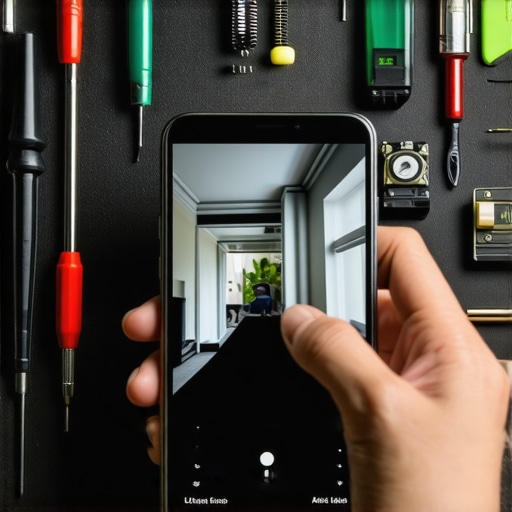
Why we test your camera immediately after a screen swap
In the world of high-precision glazing, a window is no longer just a passive sheet of soda-lime glass. When we talk about a screen swap or a glass replacement in a modern structural or automotive context, we are discussing the integration of optical clarity with digital sensory systems. A glass installer who treats a glass pane as a simple barrier is a relic of the past. Today, the glass is an essential component of the camera system it protects. If the alignment is off by even a fraction of a millimeter, the refractive index of the replacement material can cause catastrophic failures in sensor feedback.
The Field Failure: A Narrative of Misalignment
I recall a specific incident involving a high-end storefront in a coastal corridor. A homeowner called me in a panic because their new windows were ‘sweating’ on the interior surface of the integrated camera housing after a same-day mobile service. I walked in with my hygrometer and showed them the humidity was 60 percent inside the sealed unit. It wasn’t a failure of the glass itself; it was a failure of the installation environment. The previous installer had failed to account for the dew point within the rough opening before sealing the glazing bead. By trapping humid air behind the glass during the screen swap, they had effectively created a miniature weather system that blinded the security sensors every morning at sunrise. This is why we test the camera immediately: to ensure that the micro-climate between the glass and the lens is stable and that the optical path is clear of any off-gassing from low-quality silicone sealants.
“Installation is just as critical as the window performance itself. A high-performance window installed poorly will fail.” AAMA Installation Masters Guide
The Physics of the Interface
When performing a glass installer task, one must understand the ‘Shingle Principle.’ Water and air follow the path of least resistance, and so does light. During a mobile service for glass repair or replacement, the interaction between the glass and the camera lens depends on the air gap. If the glass is not seated perfectly against the shim, the camera’s focus is pulled toward the interior surface of the glass rather than the world outside. This is particularly prevalent in chip repair scenarios where the resin used to fill the void has a different refractive index than the surrounding float glass. We test immediately to ensure that the ADAS or security camera can ‘see’ through the repair without distortion. Using a sill pan and proper flashing tape ensures that moisture never reaches these sensitive electronic components, but the immediate test confirms the optical bypass is successful.
Water Management and Optical Clarity
The enemy of any glass installation is water. In Blueprint B of our installation protocol, we focus on the autopsy of failed units. We often find that black mold on the drywall or water on the sill is the result of a failed weep hole or a missing drip cap. However, in the context of integrated cameras, the ‘leak’ might be microscopic. If the seal around the camera housing isn’t airtight, the thermal pressure of the sun hitting the glass (Surface #2 in a hot climate) will draw moisture into the camera chamber. This radiant heat can also degrade the camera sensor if the Low-E coating isn’t specifically designed to handle the Solar Heat Gain Coefficient (SHGC) required for that specific orientation.
“The window assembly must be considered as a total system, where the interaction of the frame, the glass, and the installation determines the ultimate success of the building envelope.” ASTM E2112 Standard Practice
Why Mobile Service Demands Immediate Calibration
Offering a same-day mobile service means the glass installer carries the weight of the factory floor to the client’s driveway or job site. Without the controlled environment of a shop, we must be even more vigilant. We use specific shims to ensure the sash is perfectly square within the rough opening. If the frame is racked, the glass will be under stress, which can cause ‘birefringence’ or internal stress patterns that are invisible to the eye but completely distort a high-resolution camera. Testing the camera immediately after the screen swap allows us to verify that no mechanical stress is being transferred to the optical sensors. We look for muntin alignment and glazing bead pressure to ensure a uniform seal. If the camera fails the post-install test, we know we have a structural issue in the mounting, not necessarily a defect in the glass. This technical rigor is what separates a master glazier from a simple part-swapper. We manage the hole in the wall, the light passing through it, and the data it provides with the same level of scientific scrutiny.