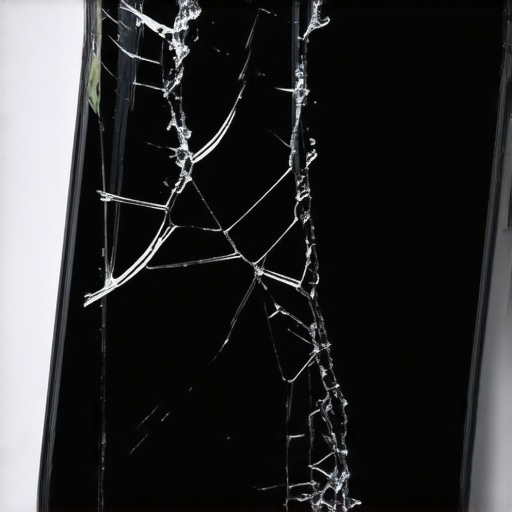
The real cost of ignoring a tiny screen crack
The Deceptive Nature of the Micro-Fracture
In twenty-five years of holding a glazing suction cup, I have seen homeowners ignore many things, but nothing is as deceptively dangerous as the tiny chip in a window pane. You see it in the corner of your eye and think it is just a cosmetic blemish, perhaps a stray pebble from the lawnmower or a bird strike. But as a master glass installer, I see a ticking time bomb. A window is a pressurized system, especially an Insulated Glass Unit (IGU). When that glass surface is compromised, the physics of your entire building envelope begin to shift. You are no longer looking at a minor repair: you are looking at the beginning of a total system failure that will eventually demand a full rough opening reconstruction if left to the elements.
The Condensation Crisis: A Master Glazier Narrative
A homeowner called me in a panic because their new windows were ‘sweating’ and showing a strange, milky haze between the panes. I walked in with my hygrometer and showed them the humidity was 60 percent, but more importantly, I pointed to a microscopic chip near the glazing bead. It wasn’t the windows that had failed initially; it was a small impact that had gone unnoticed. That chip had allowed the Argon gas to escape and the humid interior air to infiltrate the space between the panes. The desiccant in the spacer bar was saturated, and what started as a tiny chip had become a permanent fog machine. They thought they needed a simple cleaning, but the seal was gone. The ‘lifestyle’ of ignoring small maintenance items had turned a fifty-dollar chip repair into a two-thousand-dollar sash replacement. This is the reality of modern fenestration: once the seal is breached, the clock is running.
“Installation is just as critical as the window performance itself. A high-performance window installed poorly will fail.” AAMA Installation Masters Guide
The Physics of Thermal Stress in Hot Climates
If you live in a region where the sun beats down on your glass for ten hours a day, like Texas or Arizona, a chip is a death sentence for your energy bill. We focus heavily on the Solar Heat Gain Coefficient (SHGC). In these climates, we place our Low-E coating on Surface #2, which is the inward-facing surface of the exterior pane. This coating is designed to reflect short-wave solar radiation before it can cross the air gap. When you have a chip, you create a point of thermal concentration. Glass expands and contracts with heat. The edges of that chip are jagged at a microscopic level, creating stress risers. As the sun hits the glass, the temperature of the pane can reach 120 degrees Fahrenheit. The chipped area expands at a different rate than the solid glass surrounding it, causing the crack to ‘run.’ This isn’t just about aesthetics: it is about the structural integrity of the pane under thermal load.
Why Same-Day Chip Repair Is Your Only Defense
The term ‘same-day’ is not a marketing gimmick in the glazing world: it is a technical necessity. When a chip occurs, the primary seal, usually made of polyisobutylene (PIB), is suddenly exposed to oxygen and moisture. The secondary seal, often silicone or polyurethane, is not meant to be the sole barrier against the atmosphere. A mobile service glass installer can inject a specialized resin into that chip, bonding the glass back together and, more importantly, sealing the breach before the noble gas fill escapes. If you wait a week, the Argon is gone. Once that gas is replaced by ambient air, your U-Factor, the measurement of heat transfer, skyrockets. You are essentially paying to cool the outdoors because you didn’t want to call for a mobile service on a Tuesday afternoon.
“The thermal performance of a fenestration system is dependent upon the maintenance of the gas-filled cavity.” NFRC Performance Standards
The Anatomy of the IGU: Why You Cannot Just ‘Wait and See’
To understand the cost, you have to understand the ‘Glazing Zoom.’ Inside that spacer bar between your glass panes is a molecular sieve, a desiccant designed to suck up any trace amounts of moisture that were present during manufacturing. This sieve has a finite capacity. It is like a sponge. Once that tiny chip allows enough outside air to seep in, the sponge gets full. At that point, moisture begins to condense on the cold side of the glass. This moisture reacts with the Low-E silver coating, causing it to oxidize. This is what creates that ‘rust’ or ‘rainbow’ look on old windows. Once oxidation starts, the coating is destroyed. You have lost your SHGC protection, and your window is now just two pieces of clear glass with no thermal value.
The Math of Modern Replacement
Let’s talk about the ‘Rough Opening’ and the cost of neglect. A small chip repair might cost you a few hundred dollars for a professional mobile service. However, if that chip leads to a crack that reaches the frame, the vibration of the house can cause the glass to shatter. Now you have a ‘Rough Opening’ exposed to the elements. If a rainstorm hits while you are waiting for a glass installer, water can get behind the glazing bead, sit in the sill pan, and if your weep holes are clogged, that water will find a way into your wall cavity. I have seen 50,000 dollars’ worth of rot repair that started with a glass chip that ‘wasn’t that big of a deal.’ In the world of high-end glazing, there is no such thing as a small hole in the wall.
Choosing the Right Glass Installer
When you call for a mobile service, you aren’t just looking for someone with a tube of glue. You need a technician who understands the ‘Sash’ dynamics. They need to check the ‘Shim’ placement to ensure the frame hasn’t shifted, causing the stress that might have contributed to the chip in the first place. A true professional will examine the ‘Muntins’ and the ‘Glazing Bead’ to ensure everything is seated correctly. Don’t settle for a ‘caulk-and-walk’ artist. You need someone who treats your home’s glazing as the high-tech thermal barrier it is. The real cost of ignoring a tiny screen or glass crack is the eventual loss of your home’s comfort, the destruction of your energy efficiency, and the inevitable expensive replacement of the entire unit.
{“@context”: “https://schema.org”, “@type”: “HowTo”, “name”: “How to Address a Glass Chip Promptly”, “step”: [{“@type”: “HowToStep”, “text”: “Identify the chip size and location near the sash or glazing bead.”}, {“@type”: “HowToStep”, “text”: “Contact a mobile service glass installer for a same-day resin injection.”}, {“@type”: “HowToStep”, “text”: “Ensure the technician checks the integrity of the IGU seal and Argon levels.”}], “totalTime”: “PT2H”}