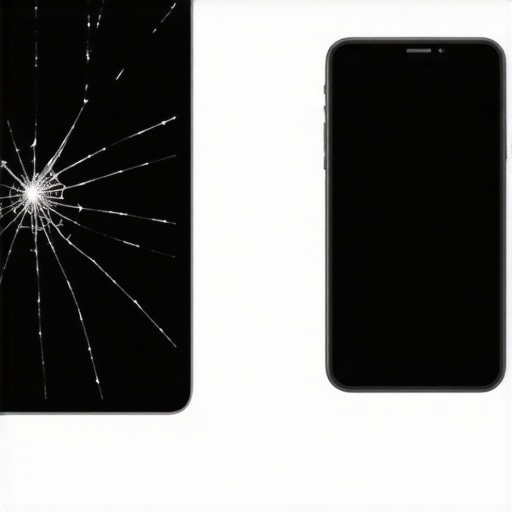
Why your tablet screen is more fragile than your phone
The Physics of Fragility: Why Size Matters in Glass Performance
As a Master Glazier with over two decades of hands-on experience, I have seen every type of glass failure imaginable. From the massive panes of a high-rise curtain wall to the delicate muntin-divided lites of a colonial window, the physics remains the same. When people ask why their tablet screen shattered from a minor drop while their phone survived a tumble onto concrete, they are usually looking for a simple answer. The reality is found in the science of surface tension, thermal stress, and deflection. To understand this, we have to look at the glass not as a static object, but as a dynamic material that is constantly managing internal and external pressures.
The Condensation Crisis: A Narrative of Thermal Stress
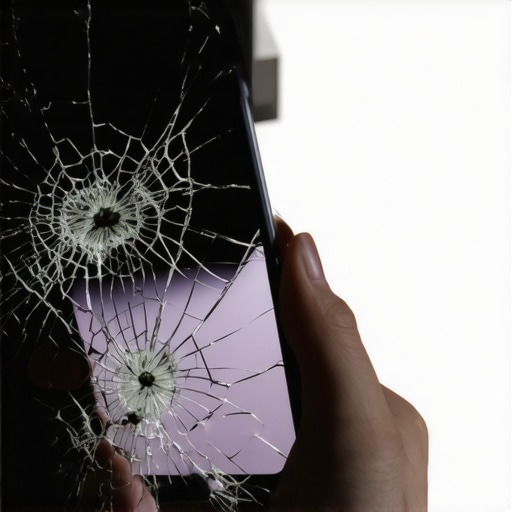
A homeowner called me in a panic because their new windows were ‘sweating.’ I walked in with my hygrometer and showed them the humidity was 60 percent. It wasn’t the windows; it was their lifestyle. But this story has a technical parallel to your tablet. That same day, the homeowner’s tablet screen cracked while sitting on the stone-cold window sill. They thought it was a defect. In reality, it was thermal shock. The glass was chilled by the sill while the internal components were generating heat. In a smaller device like a phone, the heat distribution is relatively uniform. In a larger tablet, the Delta-T (the temperature difference) between the edges and the center creates localized expansion. This puts the glass in tension. When glass is in tension, any microscopic chip or surface imperfection becomes a failure point.
“Installation is just as critical as the window performance itself. A high-performance window installed poorly will fail.” – AAMA Installation Masters Guide
Surface-to-Volume Ratio and the Glass Installer’s Dilemma
In the glazing trade, we deal with Rough Opening tolerances every day. If a window is too tight in its frame, there is no room for the building to move. A phone screen is effectively a small, well-supported pane of glass with a high frame-to-glass ratio. A tablet, however, is more like a large picture window. As the surface area increases, the deflection—the amount the glass can bend before it snaps—becomes much more difficult to manage. Most phone screens use chemically strengthened aluminosilicate glass. This process involves an ion-exchange where larger potassium ions replace smaller sodium ions on the surface, creating a compressive stress layer. This layer is like a protective suit of armor. In a phone, this armor is thick relative to the total glass volume. In a tablet, the armor is stretched thin over a much larger span, making the center of the screen far more vulnerable to point-load impacts.
Climate Logic: Why Cold Makes Glass More Vulnerable
If you are in a northern climate like Chicago or Minneapolis, your glass is fighting a constant battle against heat loss. In the window world, we prioritize the U-Factor (the rate at which a window, door, or skylight transmits non-solar heat flow). A lower U-Factor means the glass is a better insulator. Tablet glass is incredibly thin to allow for Visible Transmittance and touch sensitivity, meaning it has a terrible U-Factor. When you take a cold tablet from your car into a warm house, the glazing bead area (the edge where the glass meets the frame) expands at a different rate than the center. This is why you need a glass installer who understands thermal breakage. While you might seek a mobile service for a chip repair on your car windshield, a tablet screen often requires a full replacement because the structural integrity of the entire pane is compromised once a crack begins.
“The performance of the fenestration system is dependent upon the quality of the glass and the precision of the assembly.” – NFRC Performance Standards
The Math of Impact: Why Same-Day Repair is Often Necessary
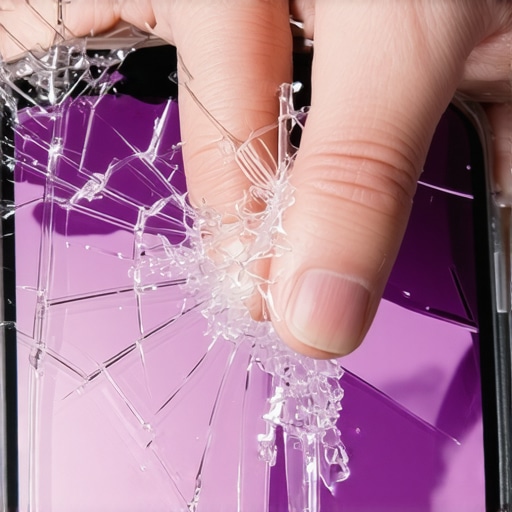
The SHGC (Solar Heat Gain Coefficient) isn’t just for windows; it affects how your device absorbs energy. When your tablet sits in the sun, it absorbs radiant energy, increasing the internal pressure. If there is already a minor chip, that pressure will cause the crack to propagate. This is where same-day attention becomes vital. In the glazing industry, we use flashing tape and sill pans to manage water, but in device repair, we must manage crack propagation. A small chip in a phone might stay small because the glass is ‘stiffer’ due to its size. In a tablet, that same chip will travel across the sash-like frame in hours because the larger pane ‘flexes’ more during normal handling. If you see a flaw, calling a glass installer for a mobile service or chip repair is the only way to prevent a total operable failure of the touch interface.
The Glazier’s Final Assessment
Don’t buy the marketing hype; buy the numbers. A tablet is more fragile because it lacks the structural shim support and the thickness-to-span ratio of a smaller phone. It is a high-performance piece of glazing that is being asked to do too much with too little material. To protect your investment, treat it like a high-end architectural window. Keep it away from extreme temperature swings, avoid point-load pressure on the center of the span, and ensure that if a chip does occur, you seek same-day professional help before the thermal stress finishes the job. Understanding the physics of glazing is the first step in keeping your screens intact. The next time you look at your tablet, don’t just see a screen; see a sophisticated pane of glass that requires the same respect as a curtain wall in a skyscraper.
{“@context”:”https://schema.org”,”@type”:”HowTo”,”name”:”How to Assess Tablet Glass Fragility”,”step”:[{“@type”:”HowToStep”,”text”:”Check for microscopic chips along the edge of the glass where it meets the frame.”},{“@type”:”HowToStep”,”text”:”Measure the thermal difference between the device and the ambient air to avoid thermal shock.”},{“@type”:”HowToStep”,”text”:”Evaluate the deflection by observing if the screen flexes under normal touch pressure.”}],”totalTime”:”PT5M”}