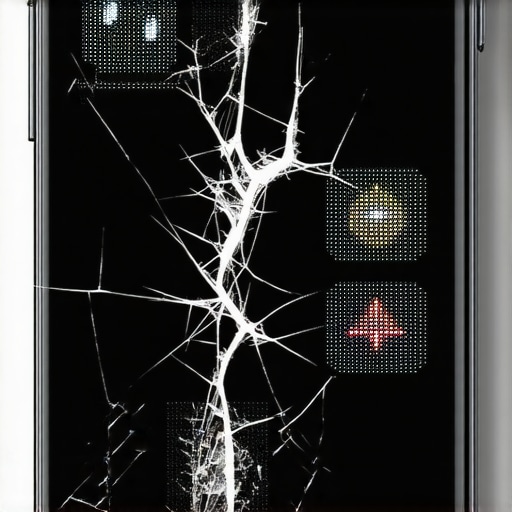
The hidden danger of using a cracked phone screen
The Master Glazier’s Perspective on Structural Failure
As a Master Glazier with over a quarter-century in the trade, I look at glass differently than most. When I see a window, I don’t just see a view; I see a complex system of thermal barriers, pressure-equalized rainscreens, and molecular tension. When most people look at a cracked phone screen, they see an eyesore. I see a compromised structural lite that is actively failing. To a glass installer, a crack is not just a cosmetic flaw; it is a breach in the integrity of a pressurized system. Whether it is a forty-story curtain wall or the six-inch display in your pocket, the physics of glass do not change. Once the surface tension is broken, the glass is no longer a shield; it is a liability. The hidden danger of using a cracked phone screen goes far beyond the risk of a finger prick; it involves the fundamental failure of the device’s internal environment.
The Condensation Crisis: A Narrative of Ingress
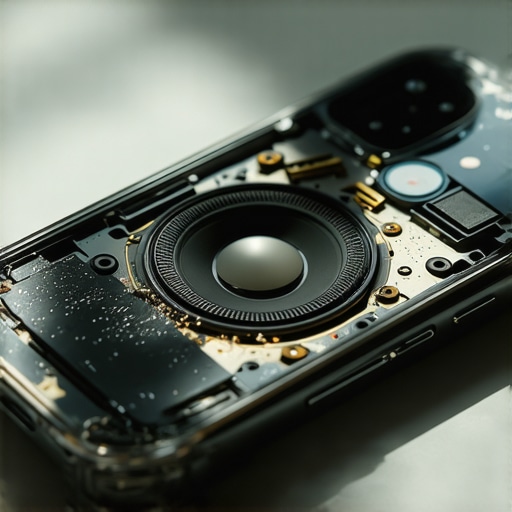
A homeowner called me in a panic because their new windows were ‘sweating.’ I walked in with my hygrometer and showed them the humidity was 60%. It wasn’t the windows; it was their lifestyle. They had a humidifier running in a room with zero ventilation, and the moisture was seeking the coldest surface. This same principle applies to your cracked phone. Your pocket is a high-humidity environment. When you have a fracture in your screen, you have essentially removed the glazing bead that keeps the internal ‘rough opening’ of your phone sealed. That moisture doesn’t just sit on the surface; it uses capillary action to pull itself through the crack. I’ve seen this in high-rise glazing where a failed seal allows moisture to rot the internal sill pan. In a phone, that ‘rot’ is the corrosion of the logic board. You might not see it today, but the micro-condensation is already at work, turning a simple chip repair into a total hardware loss.
“Installation is just as critical as the window performance itself. A high-performance window installed poorly will fail.” – AAMA Installation Masters Guide
Molecular Tension and the Physics of the Breach
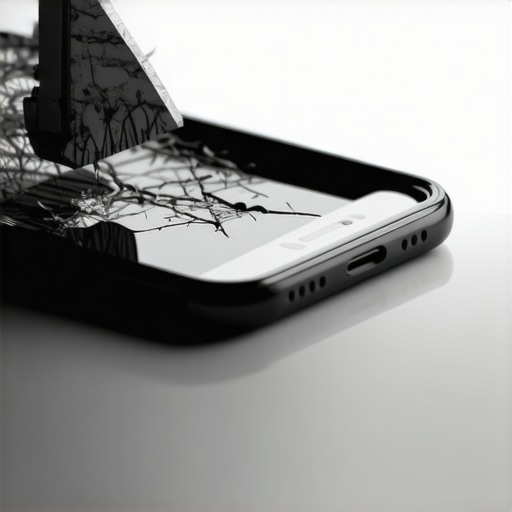
To understand why a cracked screen is dangerous, we have to talk about the ‘Glazing Zoom.’ Most modern screens are made of aluminosilicate glass, chemically strengthened through an ion-exchange process where large potassium ions are stuffed into the glass surface to create a layer of compressive stress. This is similar to tempered safety glass we use in operable windows. When you crack that screen, you aren’t just breaking a surface; you are releasing that stored energy. This creates a site for stress concentration. Every time you tap the screen, you are applying localized pressure that encourages the crack to propagate. In the glazing world, we call this ‘spontaneous breakage’ when it happens in the field, but with a phone, it is a slow-motion disaster. The structural integrity of the ‘sash’ (the phone’s frame) is now compromised, and the glass is no longer helping to maintain the rigidity of the device.
The Environmental Threat: Moisture and Thermal Stress
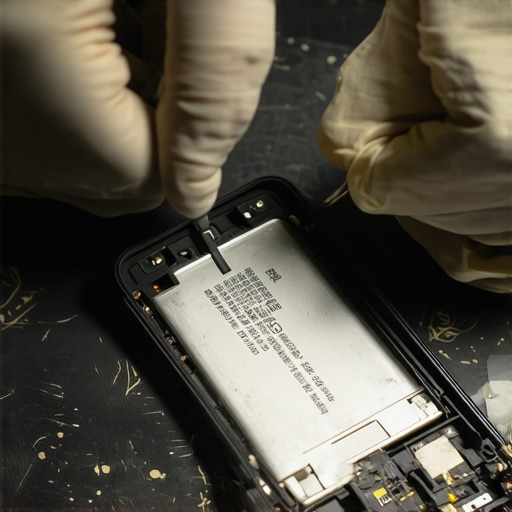
In cold climates like Chicago or Minneapolis, we worry about the U-Factor and how thermal bridging affects the rough opening. Your phone experiences similar thermal shocks. Moving from a heated house to a freezing car causes the materials to expand and contract at different rates. In a healthy phone, the flashing tape (the adhesive gaskets) and the intact glass manage this stress. But with a crack, the glass cannot distribute that thermal load. This is where mobile service becomes essential. A professional glass installer specializing in electronics knows that the screen acts as a thermal shield for the battery. If the glass is breached, the battery is exposed to temperature fluctuations that can lead to lithium-ion instability. We see similar issues in buildings where a cracked lite leads to the failure of the argon gas fill, destroying the unit’s insulating properties.
“The window assembly shall be installed in accordance with the manufacturer’s instructions… to ensure water shedding and airtightness.” – ASTM E2112
The Anatomy of a Professional Repair
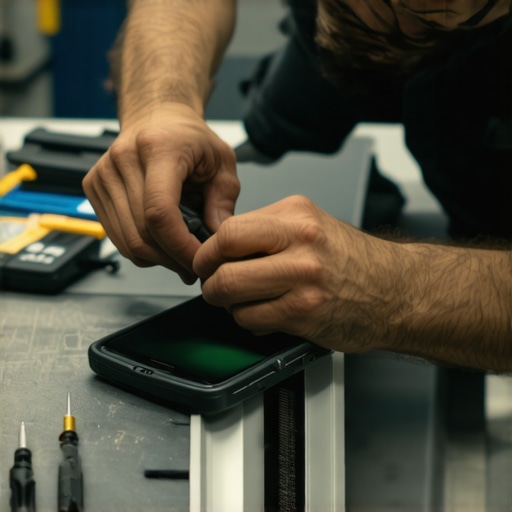
I have zero patience for ‘caulk-and-walk’ installers who think a bit of silicone can fix a flashing error. Similarly, using a screen protector to ‘hold together’ a shattered screen is a temporary fix that invites disaster. A real chip repair requires an understanding of the rough opening of the device. When a glass installer performs a same-day replacement, they are essentially doing a full-frame tear-out on a microscopic scale. They must ensure the new glazing bead is perfectly seated to prevent moisture from entering the weep holes (or in this case, the speakers and charging ports). This is not a task for an amateur. The precision required to align the sensors within the muntins of the internal frame is equivalent to setting a heavy-load storefront lite with a 1/16th-inch tolerance.
Why Same-Day Mobile Service Matters
Time is the enemy of glass integrity. In my 25 years, I’ve never seen a crack get better on its own. It only gets worse. This is why same-day mobile service is the gold standard. Just as I would prioritize a broken storefront window to prevent theft and weather damage, a mobile glass technician prioritizes your device to prevent environmental ‘rot.’ By the time you see the ‘ink spot’ (bleeding pixels), the damage has reached the substrate. You want an installer who treats your phone like a structural sash, ensuring that the new glass is sealed against the sill pan of the frame. Don’t wait for the moisture to win the war of attrition. Get the repair done before the micro-climate in your pocket turns your high-tech device into a paperweight.