How to tell if your windshield is structurally sound
The Invisible Backbone: Why Glass Integrity is Not Negotiable
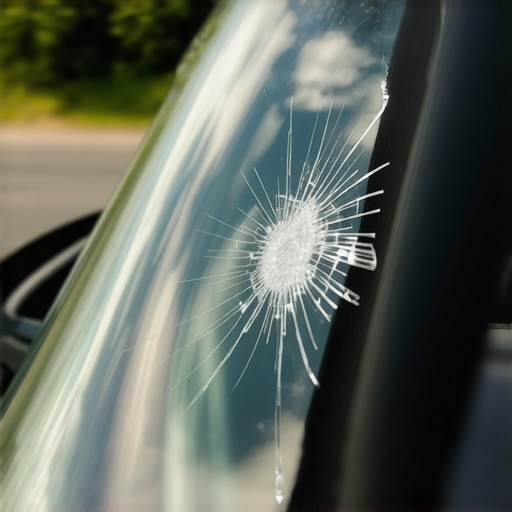
In my twenty five years as a master glazier, I have seen every possible failure of a glass system. Whether it is a curtain wall on a forty story tower or the laminated safety glass in your vehicle, the physics remains the same. A windshield is not merely a transparent shield against the wind. It is a critical structural component that provides up to sixty percent of the cabin strength during a rollover accident. When you ask if your glass is structurally sound, you are not just asking about aesthetics; you are asking if the PVB interlayer and the urethane bond can still manage the load paths designed by the automotive engineers. Many drivers treat a stone chip as a minor nuisance, but to a specialist, that chip is a stress concentrator that compromises the entire tension layer of the glass.
The Condensation Crisis: A Narrative of Hidden Failure
A client once called me in a panic because their windshield was fogging up from the inside every morning in the dead of a Chicago winter. They assumed it was a heater core issue or perhaps a door seal. I arrived with my hygrometer and a specialized ultrasonic leak detector. I did not even have to turn the car on. I walked around the perimeter of the glass and found a tiny gap in the urethane bead near the A pillar. The previous installer had rushed the job, leaving a void where moisture was being sucked in by the pressure differential. I had to explain that the sweating was a symptom of a much larger problem. The bond was failing. The moisture was not just fogging the glass; it was oxidizing the pinchweld. It was a classic case where the lifestyle of the car was being blamed for a fundamental failure in installation methodology.
“Installation is just as critical as the window performance itself. A high-performance window installed poorly will fail.” AAMA Installation Masters Guide
The Science of the Laminate: Beyond the Surface
To understand if your glass is sound, you must understand how it is built. Automotive glass is a sandwich. You have two layers of annealed glass bonded together by a layer of Polyvinyl Butyral or PVB. This interlayer is the hero of the story. Its job is to manage the energy of an impact. When a rock hits the outer layer, the glass cracks, but the PVB holds the shards together and absorbs the kinetic energy. However, once that bond is broken by a crack, the structural integrity drops significantly. A chip that penetrates the outer layer and reaches the PVB allows moisture and debris to enter the laminate. This causes delamination. If you see a milky white discoloration around a crack, that is the PVB reacting with the environment. At that point, the glass is no longer a single structural unit.
Thermal Stress and the Northern Climate
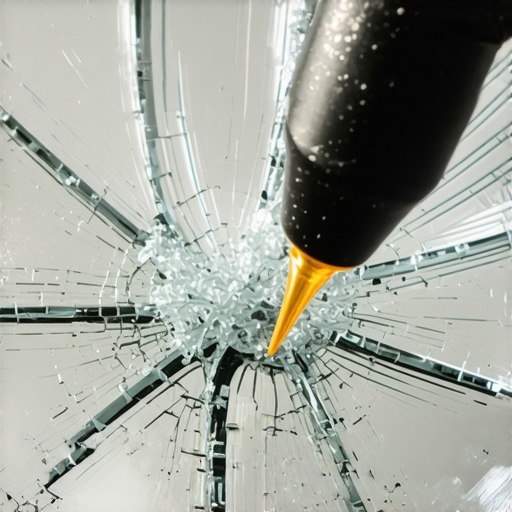
In cold climates like Minneapolis or Canada, the enemy is the U-Factor and thermal expansion. When you blast your defroster on a sub zero morning, you are creating a massive temperature gradient across the glass. The inner layer of the glass expands rapidly while the outer layer remains contracted by the freezing air. If there is a chip in the glass, this thermal stress will cause the crack to run instantly. This is why immediate chip repair is critical. By injecting a specialized resin with a refractive index matching the glass, a glass installer can stabilize the fracture before the thermal cycle destroys the pane. This is not just about looks; it is about maintaining the tension balance of the glazing system.
The Installation Autopsy: Why Your Mobile Service Matters
When you hire a mobile service for a same day replacement, the most important part of the job is the part you cannot see. The rough opening of the vehicle, known as the pinchweld, must be perfectly prepared. If a technician scratches the paint while removing the old glass and fails to apply a proper primer, the metal will rust. I have seen windshields that looked perfect from the outside but could be pushed out with a single hand because the rust had neutralized the urethane bond. A master installer ensures the glazing bead is uniform and that the weep holes in the cowl are clear of debris. Water management is a science, and if the water cannot drain away from the glass edge, it will eventually find a way into your cabin or your electrical system.
“The integrity of the bond between glass and substrate determines the safety of the occupant.” ASTM E2112 Principles
Decoding the NFRC and Safety Standards
We often look at the NFRC labels for home windows to check the Solar Heat Gain Coefficient or SHGC, but automotive glass has its own set of rigorous standards. You should look for the Department of Transportation or DOT code on your glass. This tells you the manufacturer and the safety certifications. A structurally sound windshield must meet FMVSS 212 and 216 standards for occupant retention and roof crush resistance. If you are using aftermarket glass that does not meet these specs, you are essentially driving a car with a weakened skeleton. The glass must be able to support the deployment of the passenger side airbag, which uses the windshield as a backstop. If the bond is weak, the airbag will simply blow the glass out of the frame, leaving the passenger unprotected.
Technical Indicators of Failure
How do you tell if it is time for a professional intervention? First, check for any crack that is longer than a credit card or any chip that is directly in the driver’s line of vision. Second, listen for wind noise. A high pitched whistle at highway speeds often indicates a void in the urethane. Third, look for distortion. If the view through the glass looks wavy, the glass has been improperly tempered or laminated, which can lead to eye strain and reduced reaction times. Finally, check the molding. If the rubber trim is lifting or cracked, it is allowing UV radiation to reach the urethane, which can degrade the bond over time. Remember that the sash and the frame of a vehicle are constantly twisting. If the glass is not perfectly seated in the rough opening with the correct amount of shims if required by the manufacturer, it will eventually crack from the stress of the road.
The ROI of Quality Glazing
Many people hunt for the cheapest price when they need a glass installer, but this is a false economy. A cheap installation often ignores the cure time of the urethane. Most high quality adhesives require a specific Minimum Drive Away Time to ensure that the car is safe to operate. If a shop promises a same day service that has you back on the road in thirty minutes, they are likely using a low grade adhesive or ignoring safety protocols. In my career, I have always told clients: you aren’t paying for the glass; you are paying for the peace of mind that the glass will stay in the car when the world goes sideways. Do not be swayed by the high pressure sales pitch of those who focus only on the cost. Focus on the chemistry of the bond and the reputation of the technician. Your windshield is the only thing between you and the elements at seventy miles per hour; make sure it is sound.