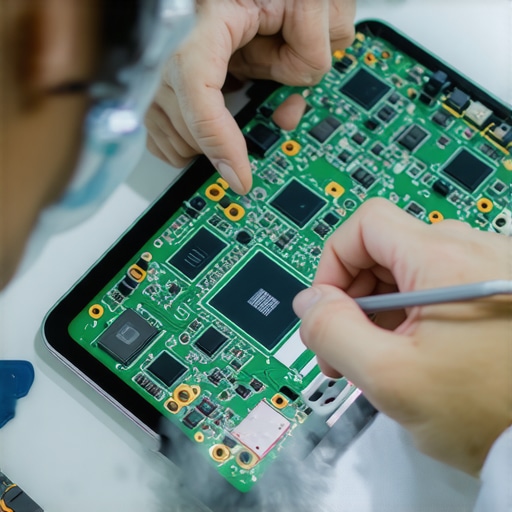
How to spot a hairline crack in your rear camera lens
After twenty-five years in the glazing industry, I have learned that whether you are looking at a thirty-story curtain wall or the tiny sapphire disc on the back of a smartphone, glass follows the same laws of physics. People often treat their rear camera lens as a simple protective cover, but as a glass installer, I see it for what it truly is: a high-precision optical component. When that component is compromised by a hairline crack, it is not just an aesthetic issue; it is a structural failure that invites atmospheric contaminants into a delicate environment. Identifying these micro-fractures requires more than a casual glance; it requires an understanding of how light interacts with the molecular structure of the glass and how environmental pressures act upon a breach in the seal. A homeowner once called me in a panic because their mobile photos looked like they were taken in a steam room. I walked in with my hygrometer and showed them that the relative humidity in their local environment was bypassing the lens seal via a microscopic fissure. It was not a software glitch; it was a failure of the glazing integrity. The moisture had crossed the dew point inside the lens housing, turning a high-end optic into a miniature greenhouse.
The Physics of the Micro-Fracture
In the world of professional glazing, we focus heavily on the tension and compression layers of glass. Most modern camera lenses are chemically strengthened through an ion-exchange process. This creates a high level of compressive stress on the surface. When a hairline crack occurs, it breaks this tension. Even if the crack is so thin it cannot be felt with a fingernail, it acts as a prism. It disrupts the Refractive Index of the glass. Light that should pass through the glazing bead and onto the sensor is instead scattered. This is known as flare or ghosting.
“Installation and material integrity are just as critical as the optical design itself. A high-performance glazing system, when compromised by even a minor structural defect, will fail to meet its performance ratings.” – AAMA Installation Masters Guide
This is why a mobile service specializing in glass is necessary for chip repair. We are not just replacing a part; we are restoring an atmospheric seal. In southern climates where the Solar Heat Gain Coefficient is a major factor, a cracked lens can actually allow enough focused infrared radiation to reach the sensor’s internal components, potentially causing permanent pixel degradation.
How to Conduct a Professional Inspection
To spot a hairline crack, you must think like a glazier checking a rough opening for tolerances. First, clean the surface using a high-purity isopropyl alcohol. Any skin oils will fill the crack, matching the refractive index of the glass and making the fracture invisible. This is a common trick used in low-quality chip repair to hide defects temporarily. Once clean, use a point-source light, like a secondary phone flash, and angle it at forty-five degrees to the surface. Look for ‘shimmer’ or rainbow-colored diffraction patterns. These patterns indicate that light is hitting an air gap within the glass. In a solid piece of annealed or strengthened glass, the light should pass through without these internal reflections. If you see a thin line that appears and disappears as you rotate the device, you have found a hairline crack. This is the moment to call a glass installer. Waiting even twenty-four hours in a humid or coastal environment can lead to internal oxidation of the camera’s metallic components.
Why Mobile Service is the Only Logical Fix
The traditional approach of sending a device away for weeks is the ‘caulk-and-walk’ equivalent of the mobile world. A specialized mobile service provides same-day glass restoration that maintains the unit’s structural integrity. When we perform a chip repair or lens replacement, we are managing the ‘Rough Opening’ of the camera housing. We ensure the new glass is seated with a precision shim effect, ensuring no air gaps exist that could lead to future condensation.
“The performance of any fenestration product is dependent on the quality of the installation and the environmental conditions at the time of seal.” – NFRC Performance Standards
This is particularly vital in colder northern climates. If a lens is replaced in a high-humidity environment without proper desiccant control, you are effectively sealing moisture inside. When you step out into the January cold, that moisture will immediately hit the dew point on the interior surface of the lens, rendering the camera useless until it warms up. Professional installers use controlled environments or specialized vacuum tools to ensure the air trapped between the lens and the sensor is dry and filtered. Don’t fall for the myth that a small crack is harmless; it is a gateway for the elements to destroy your hardware from the inside out.