How to fix a phone that won’t turn on after a long time in a drawer
The Science of Dormant Systems: From Mobile Devices to Modern Glazing
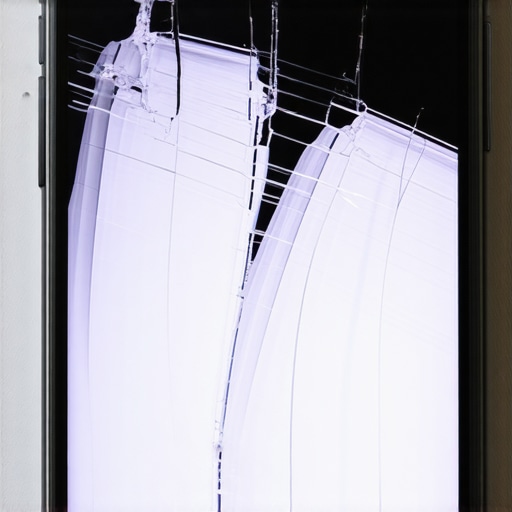
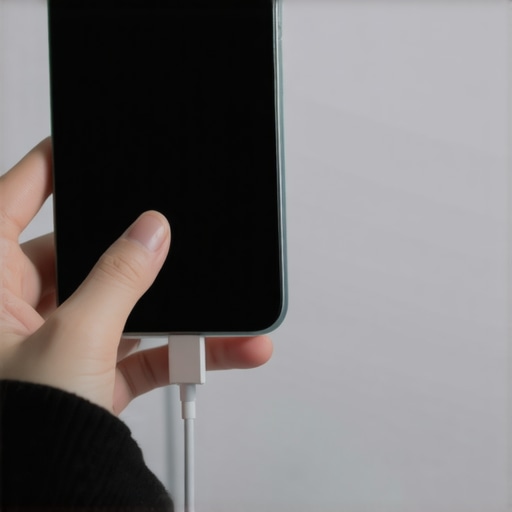
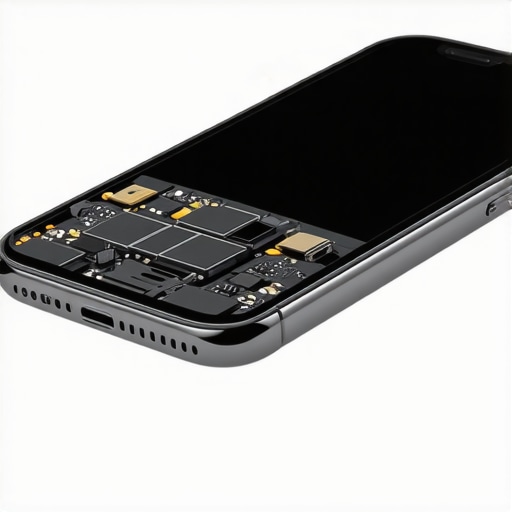
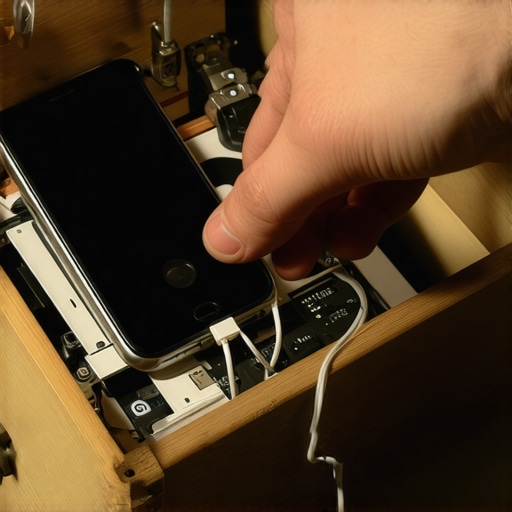
When we discuss how to fix a phone that won’t turn on after a long time in a drawer, we are fundamentally addressing the failure of a sealed system under environmental stress. As a master glazier with over two decades of experience, I have seen this phenomenon thousands of times, not just in electronics, but in the Insulated Glass Units (IGUs) that protect our homes. A homeowner called me in a panic because their new windows were ‘sweating.’ I walked in with my hygrometer and showed them the humidity was 60 percent. It was not the windows: it was their lifestyle. Just as a phone battery chemically stagnates when left in a drawer, a window’s seal system fails when the interior environment is not managed correctly. In this technical guide, we will analyze why high-performance systems fail after periods of neglect and how a professional glass installer can revive them through mobile service and same-day chip repair techniques.
Thermal Stress and the Physics of Failure
In our northern climate, where the temperature differential between the interior and exterior can exceed 80 degrees, the physical stress on any glass-faced device is immense. A phone left in a drawer in an unheated basement or a drafty attic faces the same thermal expansion and contraction cycles as a window sash. This is where the U-Factor becomes critical. In the glazing world, the U-Factor measures the rate of heat loss. The lower the number, the better the insulation. When a phone or a window is neglected, the gaskets and adhesives—the ‘seals’—begin to undergo molecular fatigue. For windows, we combat this using Argon gas fills and warm-edge spacers that reduce the transfer of cold from the exterior glass to the interior. If you are dealing with a phone that won’t turn on, you are likely looking at a ‘deep discharge’ of the battery, which is similar to the ‘seal failure’ in a window where the inert gas has leaked out, leaving the unit foggy and lifeless.
“Installation is just as critical as the window performance itself. A high-performance window installed poorly will fail.” – AAMA Installation Masters Guide
The Installation Autopsy: Why Neglect Leads to Rot
Let us look at the anatomy of a failure through Blueprint B: The Installation Autopsy. When glass systems are left to sit without maintenance, water finds a way. In the glazing trade, we live by the Shingle Principle: every layer of the building envelope must shed water to the layer below it and eventually to the exterior. A phone screen or a window pane that has been chipped is a vulnerability. If you do not seek same-day chip repair, that tiny fissure becomes a highway for moisture. In a window, this moisture hits the Sill Pan. If the original installer did not use a back-dam on that sill pan, the water will not exit through the Weep Hole. Instead, it will migrate into the Rough Opening, rotting the wooden 2×4 framing before you even notice the paint peeling on the Sash. This is why we prioritize Flashing Tape that is integrated into the weather-resistive barrier, rather than just relying on the nailing fin of a vinyl frame.
Material Science: Vinyl vs. Fiberglass in High-Stress Environments
For those in cold regions like Minneapolis or Chicago, material choice is the difference between a 10-year fix and a 50-year solution. Vinyl is a popular, cost-effective choice, but it has a high coefficient of thermal expansion. It moves significantly more than the glass it holds, which puts constant pressure on the Glazing Bead. Fiberglass, on the other hand, is primarily made of glass fibers and resin, meaning it expands and contracts at nearly the same rate as the glass itself. This stability protects the seals of the IGU. When your mobile service technician arrives for a glass repair, they are looking for these structural stresses. A crack in a phone screen is rarely just a crack: it is often the result of a frame that flexed under pressure. In architectural glazing, we use a Shim to ensure the frame is perfectly plumb and level within the opening, preventing the Operable parts of the window from binding and cracking the glass under the house’s natural settling.
“The NFRC label is the only way to accurately compare the energy performance of different fenestration products.” – NFRC Certification Standards
Advanced Glazing Zooming: Low-E Coatings and Molecular Barriers
To truly understand how to protect your glass investments, we must look at the microscopic level. In northern climates, we utilize Low-E (low-emissivity) coatings on Surface 3 (the inward-facing surface of the outdoor pane). This coating is a spectrally selective layer of silver or tin oxide that reflects long-wave infrared radiation. During a cold January, this coating reflects the heat from your furnace back into the room, while allowing the short-wave solar radiation to pass through and provide ‘passive solar gain.’ This is the opposite of what we would do in the South, where the coating would be on Surface 2 to reflect heat outward. [IMAGE_PLACEHOLDER] When a phone or a window is ‘revived’ after a long time, we are often checking if these coatings have oxidized due to seal failure. A glass installer provides same-day assessments to determine if the unit can be salvaged via a chip repair or if the entire Muntin-supported assembly needs replacement. Professional mobile service teams now carry vacuum-sealed glass units that can be swapped in the field, restoring the thermal integrity of your home in hours.
The Final Verdict on System Restoration
Whether you are trying to jumpstart a lithium-ion battery in a forgotten phone or reseal a foggy bay window, the principles of moisture management and thermal stability remain the same. Do not trust a ‘caulk-and-walk’ contractor who promises a quick fix with a tube of silicone. True glass restoration requires an understanding of the dew point and the psychrometric limits of the environment. If your system has been ‘in a drawer’ for too long, the first step is a slow ‘re-acclimation’ to the correct temperature and humidity levels. For windows, this means managing interior RH levels below 35 percent in the winter to prevent the condensation that leads to mold. For electronics, it means a low-amperage charge to wake up the chemistry. In both cases, the expertise of a specialist is the only way to guarantee the system returns to its peak performance specifications. Don’t buy the marketing hype: buy the physics of the glass.