How to dry your smartphone without using a bag of rice
The smartphone rice trick is the caulk-and-walk of the technology world. As a master glazier with over two decades in the trade, I have seen every imaginable failure when it comes to keeping water out of places it does not belong. Whether I am sealing a high-rise curtain wall in a gale or assessing a cracked storefront, the physics of moisture remain constant. When someone tells you to put a wet phone in a bag of rice, they are offering a structural myth that ignores the science of vapor pressure and capillary action. I have spent my career managing the rough opening of buildings: those gaps where the exterior world meets the interior sanctuary. A smartphone is essentially a micro-glazing unit, and when that unit’s hermetic seal is compromised, you need more than a pantry staple to fix it.
“Water penetration shall be defined as the presence of uncontrolled water on any interior surface of the specimen that is not designed to be drained to the exterior.” – ASTM E2112 Standard Practice for Installation of Exterior Windows
A homeowner called me in a panic because their new windows were ‘sweating.’ I walked in with my hygrometer and showed them the humidity was 60 percent. It wasn’t the windows; it was their lifestyle. They were boiling water for pasta and had a dozen tropical plants in a sealed room with no air exchange. The windows were simply the coldest surface where the moisture could manifest. This same phenomenon occurs inside your mobile device. When moisture enters through a chip in the glass or an unsealed charging port, it isn’t just sitting there: it is interacting with the thermal mass of the internal components. Rice does nothing to address the dew point inside that enclosure. In fact, the fine starch dust from the rice can actually enter the ports and create a slurry that hardens like old glazing putty, permanently fouling the operable buttons and internal connectors.
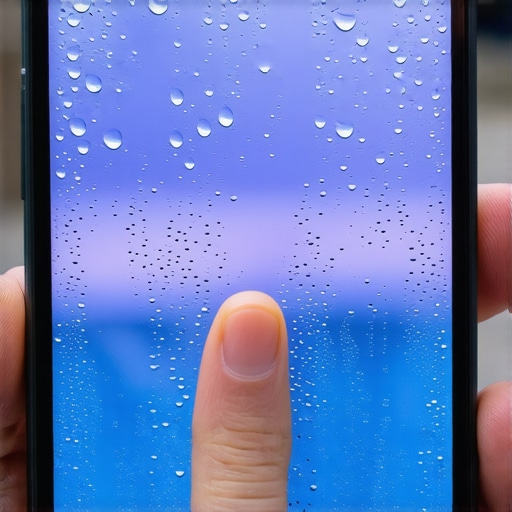
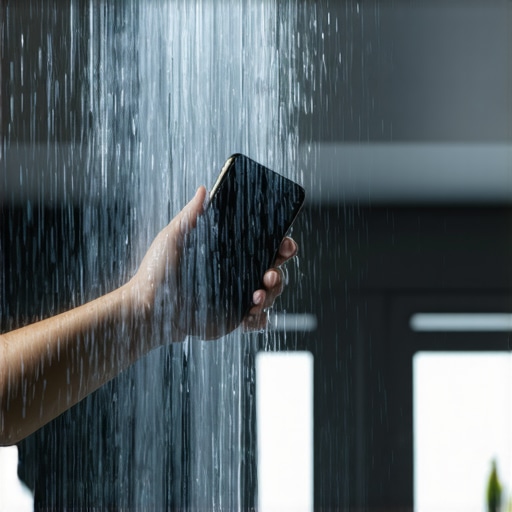
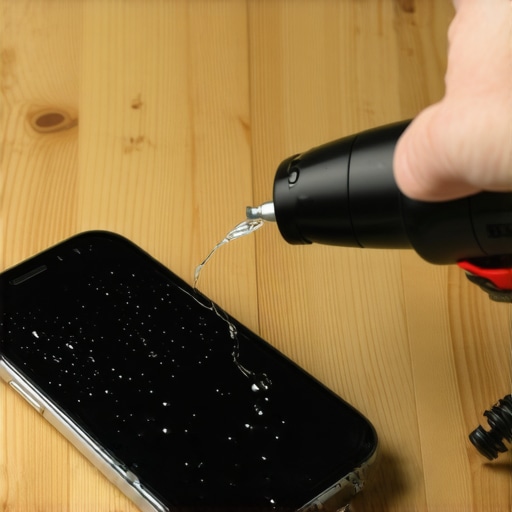
If we treat the smartphone as a miniature sash, we must look at the path of the water. In the glazing industry, we follow the Shingle Principle: every layer must overlap the one below it so that gravity pulls water away from the structure. Your phone uses a series of gaskets and adhesives that act as the glazing bead and flashing tape. When you drop the device in water, the hydrostatic pressure overcomes these barriers. The water is forced into the rough opening of the device. If the glass has a chip, the capillary action will pull water deep into the digitizer layers. This is why a mobile service for same-day chip repair is so critical: a single crack is a failure of the entire water management system. [IMAGE_PLACEHOLDER] To dry the device, you must understand the vapor pressure differential. You need to create an environment where the vapor pressure of the water inside the phone is higher than the vapor pressure of the air outside it. This is achieved through airflow and controlled temperature, not by burying it in a bag of grains.
“Installation is just as critical as the window performance itself. A high-performance window installed poorly will fail.” – AAMA Installation Masters Guide
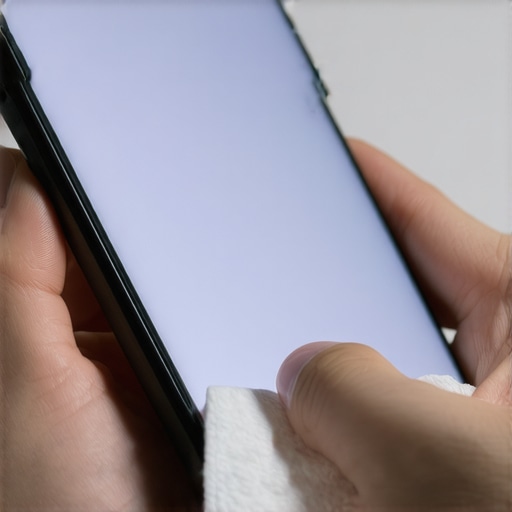
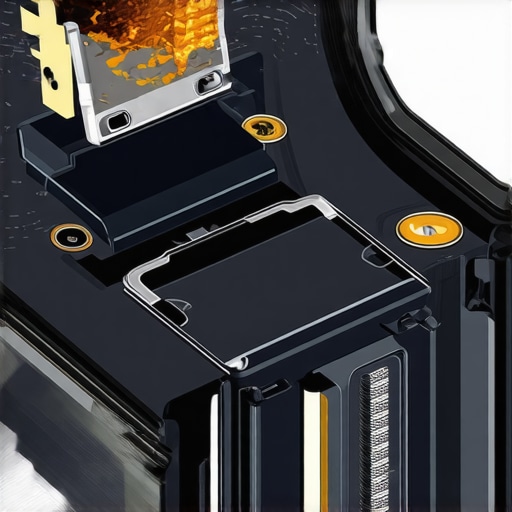
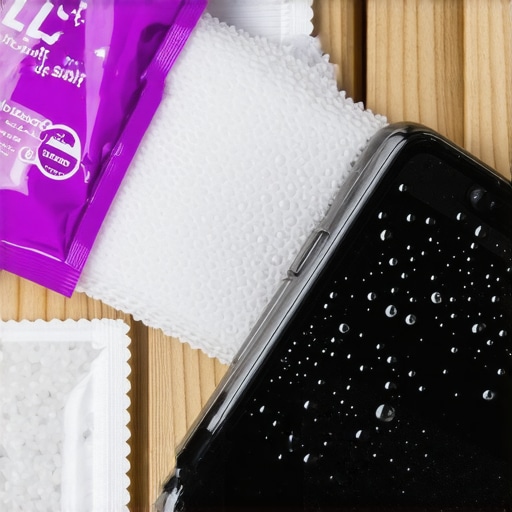
In cold climates like Chicago or Minneapolis, we worry about the U-Factor and the risk of condensation on Surface #3 of an insulated glass unit. The interior of your phone is no different. If you have moisture trapped inside, and you move from a cold outdoor environment to a warm indoor one, you are going to see immediate condensation behind the glass. This moisture leads to corrosion of the motherboard, similar to how wood rot destroys a window header when flashing tape is ignored. To properly dry the device, you should use a desiccant that is actually designed for the task. In the window industry, we use molecular sieves: tiny beads inside the spacer bar that absorb any residual moisture. You can find similar silica gel packets in many consumer goods. Placing your device in a sealed container with several of these packets is far more effective than rice because silica gel has a high affinity for water vapor and does not leave a residue. You must also ensure that the weep hole of your device: in this case, the speakers and ports: are oriented to allow for maximum evaporation. Do not use high heat, as this can damage the glazing bead adhesive that holds the screen in place. Instead, use a fan to maintain constant airflow over the ports. This lowers the local vapor pressure and encourages the liquid inside to transition into a gas phase and exit the chassis. If the glass is cracked, you need a glass installer to perform a professional seal replacement. A same-day chip repair is not just about aesthetics: it is about restoring the thermal and moisture barrier of your device. Without a solid glazing bead and a perfect seal, any further exposure to humidity will result in the same internal sweating that ruins high-end window installations. Manage the moisture, respect the physics of the seal, and keep the rice in the kitchen.