How a professional glass tech handles micro-glass shards
Anyone who has ever dropped a drinking glass knows how easily it shatters into large, obvious fragments. But a master glazier knows that the real danger lies in what you cannot easily see: micro-glass shards. When a windshield structural failure occurs or a tempered architectural panel implodes, it releases thousands of microscopic glass needles. These tiny, razor-sharp fibers float through the air, embed themselves deep into fabric seats, cling to vehicle carpets, and can easily penetrate your skin or respiratory tract. As a veteran glass installer with over 25 years of hands-on experience, I can tell you that the difference between an amateur ‘vacuum-and-dash’ job and a professional, same-day mobile service is defined by how we manage these microscopic hazards.
The Critical Threat of Microscopic Glass Contamination
When glass under high structural stress breaks, it undergoes a violent release of stored energy. This pulverizes a portion of the material into micro-shards—particles measuring less than one millimeter in size. These tiny fragments act like microscopic hooks. If a mobile service technician merely runs a standard household vacuum over your upholstery, they are actually doing more harm than good. A standard vacuum filter cannot trap micro-particles; it simply aerosolizes them, blowing them back out into the air of your vehicle cabin or home for you to inhale later. Professional glass handling requires a strict, multi-stage containment and extraction protocol to ensure the environment is truly safe for human occupancy.
“Post-shatter clean-up and site safety are just as critical as the physical installation of the new glass itself. Failure to isolate and remove microscopic particulate posing physical hazards violates basic professional workmanship standards.” – ASTM E2112 Standard Practice for Installation and Site Management
The Mobile Glass Technician’s Cleanup Protocol
To understand how an expert mobile service team handles this invisible threat during a same-day chip repair or full replacement, let us break down the exact technical process we use on every single dispatch call.
Step 1: Environmental Isolation
Before a single tool is lifted to remove the broken sash or cracked windshield, the workspace must be isolated. We place heavy-duty, high-tack adhesive protective films over the undamaged interior surfaces surrounding the break. This prevents micro-shards from migrating deeper into door panels, HVAC vents, or upholstery seams during the physical removal of the damaged glass unit.
Step 2: HEPA-Filtered Negative Air Extraction
We do not use standard shop vacs. Professional glass technicians utilize industrial-grade vacuum systems equipped with certified High-Efficiency Particulate Air (HEPA) filters. These systems are rated to capture 99.97% of particles down to 0.3 microns. By running this extraction equipment continuously near the break point, we create a localized negative air pressure zone that pulls airborne micro-shards directly out of suspension before they can settle into surrounding fabrics.
Step 3: Tactile Mechanical Extraction (The Tape-Roll Method)
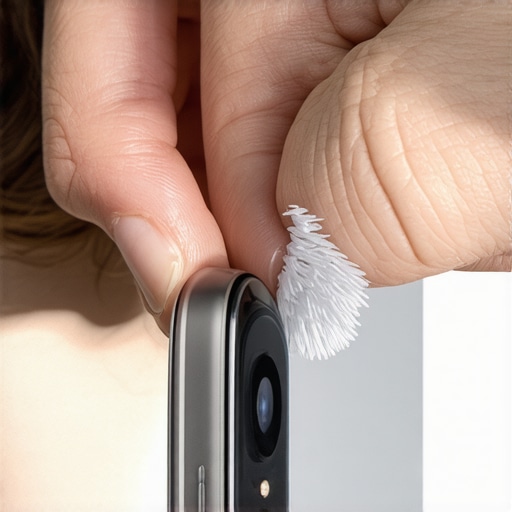
Even the most powerful vacuum cannot pull micro-shards that have embedded themselves like tiny splinters into carpets or fabric seats. To solve this, our technicians use high-tensile, industrial-grade adhesive rolls. By systematically rolling these specialized tapes over every square inch of the interior space, we mechanically extract the embedded micro-shards that vacuum suction alone cannot dislodge.
Step 4: Micro-Friction Wipedown
The final stage of micro-shard removal involves a structural wipedown using high-density microfiber cloths pre-treated with static-charging agents. Unlike standard cotton towels, microfiber consists of split fibers that create microscopic channels. These channels physically trap and lock away micro-glass dust rather than pushing it around the surface. Once a cloth is used for a single pass, it is immediately sealed in a heavy-duty disposal container.
Why Professional Same-Day Service Matters
Many vehicle owners and homeowners try to sweep up broken glass themselves to save money, only to find themselves weeks later dealing with mysterious skin irritations or small cuts. When you hire a professional glass installer for a same-day mobile service, you are not just paying for a new piece of glass to be fitted into a rough opening. You are paying for the specialized equipment, the rigorous safety protocols, and the peace of mind that comes from knowing every single invisible micro-shard has been mechanically and chemically extracted from your environment.
“Every mobile glass service must prioritize complete debris remediation. A vehicle or residential space returned to a customer with active glass particulate presents an immediate physical liability.” – AAMA Mobile Technician Safety and Cleanliness Guidelines
The Professional Difference
Do not compromise your physical safety by relying on incomplete cleanup methods. Whether you need a quick chip repair to restore structural integrity or a complete mobile replacement, ensure the technicians you hire utilize certified HEPA extraction and professional mechanical adhesive cleanup protocols. Keeping your space free of microscopic hazards is a highly technical science, and it is one we practice with absolute precision on every single job.