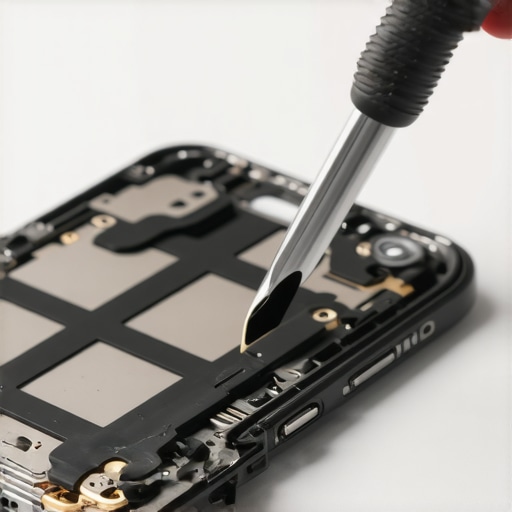
How to tell if your phone screen was glued or taped
The Precision of Glass Bonding: A Glazier’s Perspective on Mobile Screens
In the world of high-performance fenestration, we often talk about the integrity of the seal. Whether I am setting a 500-pound IGU (Insulated Glass Unit) into a commercial curtain wall or analyzing the failure of a residential sash, the method of attachment is the difference between a lifetime of service and an early trip to the landfill. When you look at your smartphone, you are looking at a specialized piece of glazing. The industry has moved toward thinner profiles and higher durability, much like the transition from single-pane wood windows to thermally broken aluminum systems. To understand if your screen was glued or taped, you have to understand the physics of the bond and the tolerance of the frame, which we in the trade call the rough opening of the device.
“Installation is just as critical as the window performance itself. A high-performance window installed poorly will fail.” AAMA Installation Masters Guide
I recall sitting across from a repair technician at a mall kiosk who was trying to convince a customer that a double-sided acrylic tape was just as good as a factory-grade Liquid Optically Clear Adhesive (LOCA). I had to step in. It was like watching a salesman try to sell a homeowner a ‘pocket replacement’ window when the entire sill was rotted out. I explained to the customer that in a high-heat environment, like a car dashboard in July, that tape would reach its glass transition temperature and the screen would start to lift. The ROI on a cheap repair is non-existent when you have to do it twice. This is the reality of the mobile service industry; speed often trumps the technical requirements of the glass installer.
The Science of the Bond: Glued (LOCA/OCA) vs. Taped (PSA)
When we talk about a ‘glued’ screen, we are usually referring to one of two processes: LOCA or OCA (Optically Clear Adhesive) sheets. This is the structural glazing of the phone world. The adhesive is applied across the entire surface of the LCD or OLED panel and then cured under UV light. This creates a monolithic structure. If your phone feels solid, has no ‘air gap’ when you press down, and the colors are vibrant even under direct sunlight, it is likely a fully laminated glued unit. This is similar to how we use laminated glass in coastal zones to resist high wind pressures. The adhesive fills every microscopic void, eliminating the refractive index changes that occur when light hits an air pocket.
Taped screens, on the other hand, utilize Pressure Sensitive Adhesives (PSA) around the perimeter, similar to how a glazing bead or a gasket holds a window pane in place. In this setup, the glass is only attached at the edges. If you see a slight ‘rainbow’ effect under certain lighting, or if there is a perceptible ‘give’ when you press the center of the screen, you are looking at a taped assembly. The glass is essentially floating over the digitizer. While this makes for a faster same-day mobile service, it lacks the structural integrity required for long-term durability against thermal expansion.
The Thermal Factor: Why Your Climate Matters
In hotter climates like Phoenix or Miami, the Solar Heat Gain Coefficient (SHGC) of your device is a major factor in adhesive longevity. Heat is the enemy of any chemical bond. When a phone sits in a pocket or a vehicle, the internal components expand. If the screen is taped, the adhesive can soften, leading to ‘screen lifting.’ A professional glass installer knows that materials with different coefficients of thermal expansion (CTE) need a bond that can either move with them or hold them in a vice-grip. Glued screens provide that rigid support, whereas tape often fails as the oils from your skin and the ambient heat degrade the acrylic carrier.
“Adhesion failure in glazing systems is often a result of inadequate surface preparation or the selection of a sealant that cannot accommodate the thermal movement of the substrate.” ASTM E2112 Standard Practice
How to Perform a ‘Sill Pan’ Inspection on Your Phone
In window installation, we use a sill pan to ensure that any water that bypasses the primary seal is directed back outside through a weep hole. While your phone doesn’t have a weep hole, the edge of the screen—the glazing bead—is where you will find the clues of the repair method. Look closely at the ‘muntins’ or the bezel of the device. If you see any tiny traces of clear residue oozing from the edges, that is a sign of a LOCA glue job that wasn’t cleaned properly. Conversely, if you see a thin, dark line that looks like a tiny gasket, or if the screen sits slightly higher than the frame, it’s a tape job. A taped screen often lacks the flush finish of a factory-bonded unit because the thickness of the tape adds to the stack height of the assembly.
The Reality of Chip Repair and Mobile Service
Many mobile service providers prefer tape because it requires less equipment. To properly glue a screen, you need a clean-room environment, UV curing lamps, and specialized jigs to maintain the rough opening tolerances. It is much easier to perform a same-day chip repair or screen swap in the back of a van using pre-cut tape strips. However, as a master glazier, I can tell you that the ‘shingle principle’ applies here too. You want the top layer to shed the environment. A taped screen is prone to dust and moisture ingress. Over time, pocket lint will find its way into the air gap, eventually interfering with the touch sensitivity of the digitizer.
Technical Indicators: The ‘Flex’ Test
If you are still unsure, perform what I call the ‘Glazing Flex Test.’ Apply moderate pressure to the center of the screen with your thumb. If you see ‘ripples’ or waves in the display, the glass is not bonded to the LCD. It is a taped, air-gap assembly. In a fully glued unit, the pressure is distributed across the entire surface area, and the display will remain clear. This is the same principle we use when calculating the deflection of a large window pane under wind load. A bonded unit is significantly stiffer and more resistant to impact than a floating pane. If you want a screen that can survive a drop, you want the structural support of a full-surface glue bond.
Summary of the Glazier’s Checklist
- Visual Inspection: Look for an air gap between the glass and the display. Taped screens have a visible space; glued screens look like one single piece of obsidian.
- Edge Quality: Check for ‘light bleed’ around the perimeter. Tape often allows light to leak out from the sides of the frame.
- Tactile Response: A glued screen feels like hitting a solid wall; a taped screen feels like hitting a drumhead.
- Thermal Stability: Does the screen become ‘mushy’ or start to lift when the phone gets hot? That’s the tape failing.
Ultimately, whether you are choosing a window for a high-rise or a screen for your pocket, the quality of the glass installer and the materials they use will determine the outcome. Don’t be fooled by high-pressure sales tactics. Demand to know if they are using a full-surface bond or just a perimeter tape. In the world of glass, the numbers don’t lie, and a cheap fix is often the most expensive choice you can make. Always prioritize the structural integrity of the bond over the convenience of a quick, taped-on solution.
{“@context”:”https://schema.org”,”@type”:”HowTo”,”name”:”How to Identify Phone Screen Bonding Methods”,”step”:[{“@type”:”HowToStep”,”text”:”Inspect the bezel for light bleed or residue.”},{“@type”:”HowToStep”,”text”:”Apply pressure to the center to check for air-gap deflection.”},{“@type”:”HowToStep”,”text”:”Examine the stack height of the glass against the frame.”}],”totalTime”:”PT5M”}