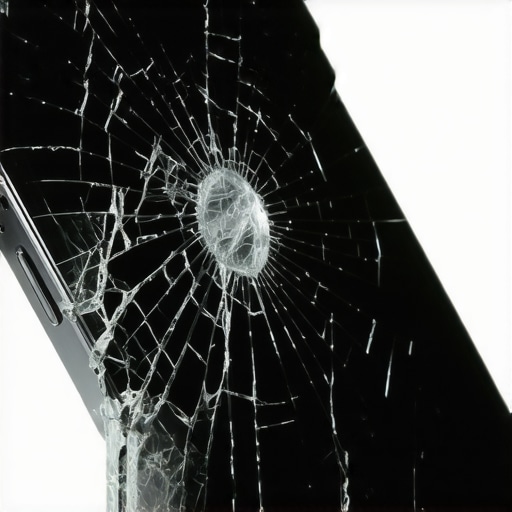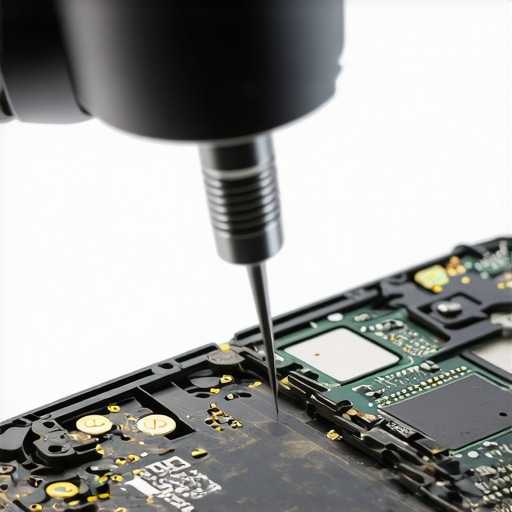
Why we use a torque wrench on your phone’s internal plates
In the world of high-performance glass and precision glazing, the margin for error is measured in microns. Whether you are dealing with the micro-components of a mobile device or the massive architectural slabs of an insulated glass unit, the physics of pressure remains the same. When a glass installer arrives for a same-day mobile service, they aren’t just bringing a ladder and a tube of silicone; they are bringing a deep understanding of structural tension. This brings me to a specific memory that defines my career as a glazier. A homeowner once called me in a panic because their new high-efficiency windows were sweating. They were convinced the seals had failed within weeks of installation. I walked in with my calibrated hygrometer and showed them the relative humidity in their living room was north of 60 percent. It was not a failure of the glass: it was their lifestyle, specifically a lack of proper ventilation for their indoor jungle of tropical plants. This illustrates the first rule of glazing: the environment dictates the performance of the material. Just as a technician uses a torque wrench on your phone’s internal plates to ensure that localized stress doesn’t lead to a screen fracture, a master glazier manages the structural load and thermal stress of a window to prevent the dreaded spontaneous breakage or seal failure.
The Autopsy of a Window Failure: Beyond the Surface
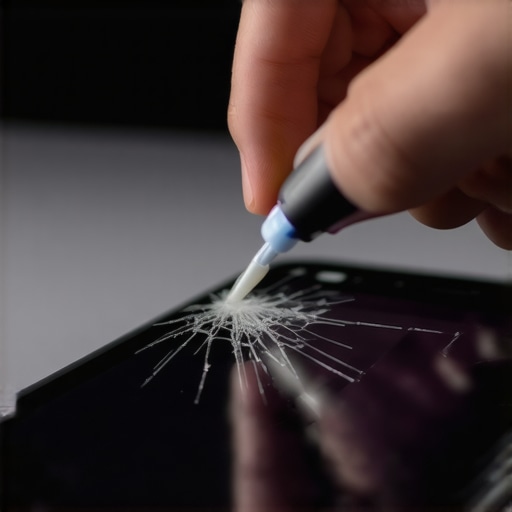
When we look at a failing window or a spreading rock chip, we are conducting a technical autopsy. Water on the sill or black mold creeping up the drywall is rarely a problem with the glass itself: it is a failure of the flashing system. The shingle principle dictates that every layer of the building envelope must overlap the one below it to ensure water flows down and out. In many modern homes, we see installers who rely entirely on the nailing fin of a vinyl window, ignoring the critical integration of flashing tape and a sloped sill pan. If water penetrates the exterior cladding, it needs a clear path to exit through a weep hole. When these holes are clogged or, heaven forbid, caulked shut by an amateur, the water sits against the wood framing until the rough opening becomes a sponge for rot. A same-day chip repair is no different in its demand for precision. A rock chip is a structural wound in the glass. If left untreated in the intense heat of a southern summer, the air trapped inside the crack expands. As a mobile service provider, our goal is to inject a high-viscosity resin into that void, displacing the air and bonding the glass layers back together before the thermal gradient of an air-conditioned interior and a 110 degree exterior causes the crack to sprint across the laminate.
“Installation is just as critical as the window performance itself. A high-performance window installed poorly will fail.” AAMA Installation Masters Guide
The Physics of Solar Heat Gain in Hot Climates
In hot regions like Phoenix or Texas, the primary enemy is not the cold: it is the radiant energy of the sun. This is where the Solar Heat Gain Coefficient (SHGC) becomes the most important number on the NFRC label. SHGC measures the fraction of solar radiation admitted through a window. In these climates, we want that number as low as possible. We achieve this by placing the Low-E coating on Surface #2: the inside face of the exterior pane. By reflecting the long-wave infrared radiation before it even crosses the air space of the insulated glass unit, we keep the heat outside. This is a massive departure from northern installations where we might put the coating on Surface #3 to trap heat inside. When you hire a professional glass installer, you are paying for this knowledge of thermal placement. An amateur might install a high-performance window inside out, effectively turning your home into a greenhouse and skyrocketing your cooling costs. The glass is a chemical sandwich: usually two panes of soda-lime glass separated by a spacer bar filled with a molecular sieve desiccant to absorb any residual moisture. The gap is often filled with Argon gas, which is denser than air and significantly reduces the convective heat transfer between the panes. If the torque on the glazing bead or the pressure on the spacer is uneven, you risk a seal failure that allows that expensive gas to escape and moisture to enter, leading to the foggy glass that plagues so many poorly built developments.
Frame Material Science: Stability vs. Cost
The frame is the skeleton that supports the glazing, and its material properties are vital to long-term performance. Vinyl is the most common choice due to its low cost and decent thermal properties, but it has a high coefficient of thermal expansion. In a hot climate, a long vinyl sash can expand and contract significantly, which puts immense stress on the caulking joints and the glazing bead. Fiberglass, on the other hand, is composed of glass fibers and resin, meaning it expands and contracts at almost the same rate as the glass it holds. This creates a much more stable system that is less likely to develop air leaks over time. Aluminum frames, while structurally superior for large operable windows, must be thermally broken. This means there is a polyamide strip separating the interior and exterior halves of the frame to prevent the metal from conducting heat directly into your home. Without a thermal break, an aluminum frame in the summer can become hot enough to burn your hand. Every shim we place during installation is calculated to ensure the frame remains square and level within the rough opening, allowing the sash to operate without binding. A window that is out of level by even an eighth of an inch will eventually wear out its hardware and fail to create a tight seal against the weatherstripping.
“The NFRC rating is the only way to compare the energy performance of windows, doors, and skylights accurately.” NFRC Fact Sheet
The Science of Mobile Chip Repair
For those seeking a mobile service for chip repair, the technical requirements are surprisingly high. The resin used must have a refractive index that matches the glass to ensure the repair is invisible. It also must have the correct viscosity to penetrate the tightest legs of a star-break. This is why we use specialized injectors that can create a vacuum to pull the air out of the break before applying positive pressure to force the resin in. This cycle of vacuum and pressure is as delicate as any work done with a torque wrench on a circuit board. If the pressure is too high, you can bloom the crack, making it worse. If it is too low, the repair will be structurally unsound. After the resin is injected, it is cured using a specific wavelength of UV light, which triggers a polymerization reaction, turning the liquid resin into a hard, clear solid that restores the structural integrity of the glass. This same-day service prevents the need for a full glass replacement, saving both money and resources. However, it only works if the damage is caught early. Once dirt and moisture penetrate the chip, the silane coupling agents in the resin cannot bond as effectively, leading to a sub-par repair.
Water Management and the Sill Pan
The most critical part of any window installation is the part you never see: the sill pan. This is a flashing component that sits at the bottom of the rough opening. It is designed to collect any water that might leak through the window frame or the surrounding siding and direct it back to the exterior. In my years as a glazier, I have seen countless homes where the installer simply ran a bead of caulk along the bottom and called it a day. This is a recipe for disaster. A proper installation involves a pre-manufactured or site-built sill pan with a back dam. The back dam is a raised lip on the interior side that prevents water from being blown into the house by wind pressure. When we combine this with high-quality flashing tape that is integrated with the house wrap, we create a redundant system that protects the home even if the primary seal fails. The muntin bars or decorative grids may give a window its character, but the flashing and shims give it its life. Never settle for an installer who does not talk about water management. If they just want to caulk and walk, they are not a glazier: they are a liability. A true professional understands that the window is the most complex part of the wall, and treating it with the same precision one would use on a high-tech electronic device is the only way to ensure it lasts for thirty years instead of three.