The fast way to fix a rock chip on your lunch break
Glass is a liquid that forgot how to flow, a high-tension membrane that separates your controlled environment from the chaos of the exterior world. When a stone strikes that surface, it creates a localized failure in the structural integrity of the pane. Most people see a small blemish. As a master glazier with a quarter-century in the trade, I see a ticking time bomb of thermal stress. Fixing a rock chip on your lunch break is not just about aesthetics: it is about restoring the tension-compression balance of the glass before a temperature swing turns a five-millimeter pit into a two-foot crack. I have seen it happen thousands of times. A homeowner once called me in a panic because their new high-performance windows were sweating and cracking simultaneously. I walked in with my hygrometer and my infrared thermometer. I showed them the humidity was 60 percent and the glass surface was undergoing massive thermal shock because they had a chip they ignored. It was not a window failure: it was an environmental management failure. The logic of glass repair is rooted in physics, not luck.
“Installation is just as critical as the window performance itself. A high-performance window installed poorly will fail.” – AAMA Installation Masters Guide
When we talk about same-day chip repair, we are talking about the science of the refractive index and resin viscosity. The glass in your vehicle or your modern architectural windows is often laminated. This means there is a Polyvinyl Butyral (PVB) layer sandwiched between two sheets of glass. When a rock hits, it usually fractures the outer layer. The air trapped in that fracture has a different refractive index than the glass, which is why the chip looks like a dark spot or a silver reflection. To fix it, a mobile service technician uses a bridge tool to create a vacuum over the impact point. This is the part that cannot be rushed. You have to pull the air out of the microscopic fissures. If you leave even a tiny bubble of oxygen, the repair will fail when the glass expands in the heat of the day. In southern climates where the Solar Heat Gain Coefficient (SHGC) is the primary enemy, the sun hits that glass and the temperature can spike to 140 degrees Fahrenheit in minutes. If that chip is not filled with a high-grade methacrylate resin that matches the refractive index of the glass, the different rates of expansion will cause the crack to propagate.
Understanding the physics of the repair requires looking at the NFRC ratings of the glass itself. Even a small chip can compromise the U-factor of a high-performance unit if it penetrates deeply enough. The resin used in professional same-day service is not the stuff you buy in a tube at a hardware store. We use resins with specific centipoise ratings (viscosity) based on the ambient temperature. If it is a hot July afternoon, I am using a thicker resin that won’t run out of the crack before it cures. If it is a cooler morning, I need a thinner resin that can penetrate the tightest star-break legs. This is why a mobile service is superior to a DIY kit. The technician monitors the glass temperature to ensure the curing process does not induce further stress. We use ultraviolet light at specific wavelengths to trigger the polymerization of the resin. This turns the liquid into a solid that is chemically bonded to the glass walls of the chip.
“Maintenance of the structural integrity of the fenestration assembly is paramount to the safety of the building envelope.” – ASTM E2112
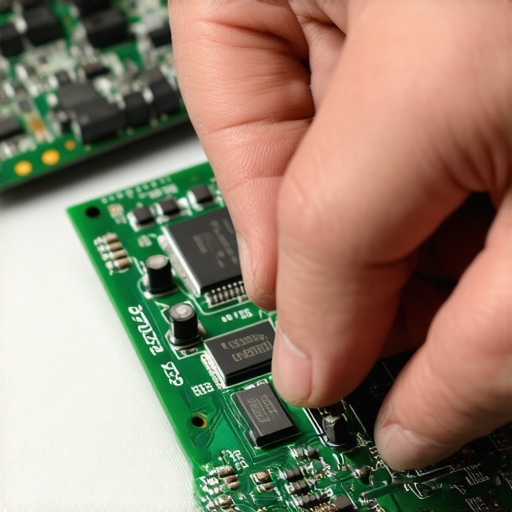
The process begins with cleaning the crater. Any microscopic shards of glass or road grime will prevent the resin from bonding. We use a probe to clear the impact point. Then, the bridge is centered. This tool is a precision instrument, much like the shims we use to level a massive wood sash in a rough opening. The vacuum phase is followed by the pressure phase. We force the resin into the break, watching as the silver lines of the crack disappear. This is the restoration of the optical path. For a glazier, this is the most satisfying part of the job. Once the resin has filled every void, a curing film is applied, and the UV lamp is set. On your lunch break, this entire process takes about 30 to 45 minutes. It is a surgical strike against structural failure. If you wait, moisture will enter the chip. When that moisture freezes or expands due to heat, it acts like a wedge, driven by the hydraulic pressure of the water molecules. This is how a simple repair turns into a full replacement of the glazing bead and the entire pane.
In hot climates, the choice of resin is even more critical because of the SHGC. You want a resin that is UV stable. Cheaper resins will yellow over time as they are bombarded by solar radiation. A professional glass installer ensures that the repair is not just a temporary patch but a permanent part of the glass matrix. We often talk about the sash or the frame when discussing window longevity, but the glass is the heart of the system. A chip is a hole in your defense against the elements. By utilizing a mobile service, you are bringing the laboratory to the parking lot. You are ensuring that the dew point within the repair is managed and that the structural integrity is returned to nearly 100 percent of its original state. Don’t listen to the salesmen who tell you that a small chip is fine. They want to sell you a whole new window system. A master glazier knows that a well-executed repair is a feat of engineering that saves money and resources. It is about understanding the molecular bond and the way light travels through a solid. When you go back to work after lunch, your glass should be as solid as the day it was fire-polished at the factory.