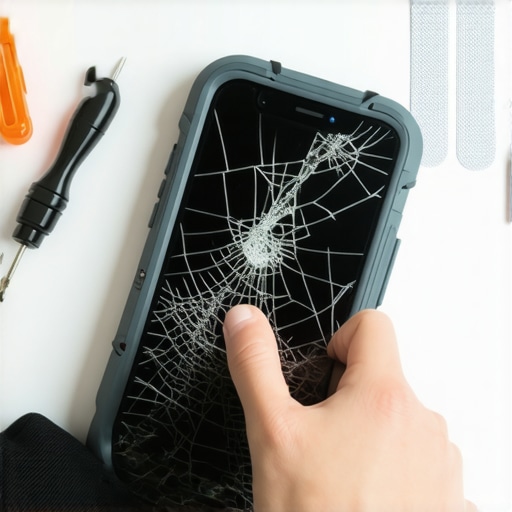
The science behind smartphone screen resolution
Understanding the Resolution of Architectural Glass
When most people think of resolution, they think of the pixel density on their latest smartphone. However, as a master glazier with over 25 years in the field, I look at a high-performance window and see the same level of technical sophistication. The ‘resolution’ of glass is not measured in pixels per inch, but in the precision of its molecular coatings and the purity of its substrate. Just as a smartphone screen must manage light transmission and touch sensitivity, a modern window must manage the entire electromagnetic spectrum. We are looking at a hole in the building envelope that needs to be as smart as the device in your pocket. This is why a simple chip in your glass is more than a cosmetic blemish; it is a disruption of a highly engineered system. When you hire a glass installer for same-day chip repair, you are not just fixing a crack; you are restoring the structural and thermal integrity of a high-resolution optical surface.
The Condensation Crisis: A Master Glazier Narrative
A homeowner called me in a panic last winter because their new triple-pane windows were ‘sweating’ profusely. They were convinced the seals had failed on all twenty units. I walked in with my hygrometer and a thermal imaging camera, not a caulk gun. I showed them that the internal humidity was sitting at a staggering 60 percent while the exterior temperature was hovering near zero. It was not a failure of the windows; it was their lifestyle choices combined with an extremely airtight building envelope. The windows were actually performing perfectly, maintaining a surface temperature above the dew point for a normal home, but no glass can overcome physics when the interior air is saturated. I had to explain that their high-resolution glass was doing its job, but the home’s ventilation was the real culprit. This taught them that glass is part of a larger ecosystem involving the Rough Opening, the HVAC system, and the daily habits of the occupants.
“Installation is just as critical as the window performance itself. A high-performance window installed poorly will fail.” AAMA Installation Masters Guide
Decoding the NFRC Label: The Technical Resolution
To truly understand the science behind high-performance glass, we must look at the NFRC (National Fenestration Rating Council) labels. This is the ‘spec sheet’ of your window. The U-Factor is the most critical number for those of us in northern climates. It measures the rate of non-solar heat loss. In the world of glazing, a lower U-Factor is like a higher resolution screen: it represents a higher level of performance. We achieve these low numbers through the use of Low-E coatings. These are microscopically thin layers of silver or other low-emissivity materials deposited on the glass surface. In a cold climate, we typically place this coating on Surface #3 (the exterior-facing side of the inner pane) to reflect long-wave infrared radiation back into the room. This is the same logic used in the heat-dissipation layers of high-end electronics. If the coating is applied incorrectly, or if the gas fill—usually Argon—leaks out due to a poor Glazing Bead seal, the ‘resolution’ of your thermal barrier drops significantly.
The Physics of Chip Repair and Mobile Service
When a stone hits your windshield or a thermal stress crack appears in a storefront, the physics at play are intense. Glass is a supercooled liquid that exists in a state of high tension. A chip is a point of catastrophic stress concentration. Our mobile service units specialize in same-day chip repair because the window for a successful fix is narrow. We use an anaerobic resin with a refractive index that perfectly matches the glass. Under vacuum, we pull the air out of the break and inject this resin, which then bonds at a molecular level. This is identical to the lamination process used in smartphone screens to eliminate the air gap between the LCD and the cover glass. If you wait too long, moisture and dirt enter the Rough Opening of the crack, making a ‘clean’ repair impossible. A professional glass installer understands that the goal is to restore the optical path so that light passes through without refraction, much like a perfectly calibrated display.
“The air barrier must be continuous across the window-to-wall interface to ensure the thermal performance of the fenestration assembly.” ASTM E2112 Standard Practice
The Anatomy of a High-Performance Installation
Even the highest resolution glass is useless if it is sitting in a rotting frame. When we perform a full-frame replacement, we are looking at the Rough Opening with a surgeon’s eye. We use Shims to ensure the frame is perfectly level, plumb, and square, but we also ensure there is enough room for the frame to expand and contract. Vinyl frames, for instance, have a high coefficient of thermal expansion. If you pinned them tight without the proper gap, the sash would eventually bind and the Operable parts of the window would fail. We also install a Sill Pan at the bottom of the opening. This is a crucial line of defense that many ‘caulk-and-walk’ installers skip. The Sill Pan ensures that any water that bypasses the primary seals is directed back to the exterior through Weep Holes. We then use high-grade Flashing Tape to integrate the window into the house wrap, following the ‘shingle principle’ where every layer overlaps the one below it to shed water effectively. This technical rigor is what separates a master glazier from a handyman.
Why Same-Day Service is a Technical Necessity
In the glass industry, time is the enemy of quality. This is why we emphasize mobile service and same-day response for chip repair. When glass is compromised, the thermal seal is often the first thing to go. If you have double-pane glass and the seal is breached, the Argon gas escapes and is replaced by moisture-laden air. This leads to permanent fogging and the loss of insulating value. By addressing a chip immediately, a glass installer can often save the unit, preventing the need for a costly full-frame replacement. The science is simple: keep the moisture out and the inert gas in. Whether it is a Muntin that has slipped or a cracked pane, the goal is always to maintain the integrity of the original ‘high-resolution’ design. Don’t be fooled by high-pressure sales tactics focusing on triple-pane upgrades in climates where they aren’t needed; instead, focus on the quality of the installation and the science of the glass coatings themselves. Your comfort depends on the U-Factor, the SHGC, and the hands of the person holding the glazing tool.