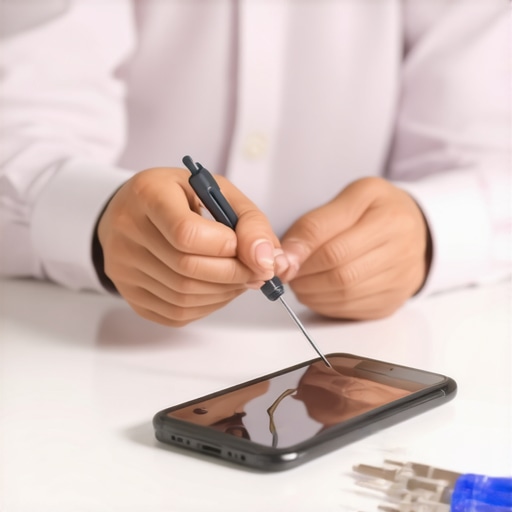
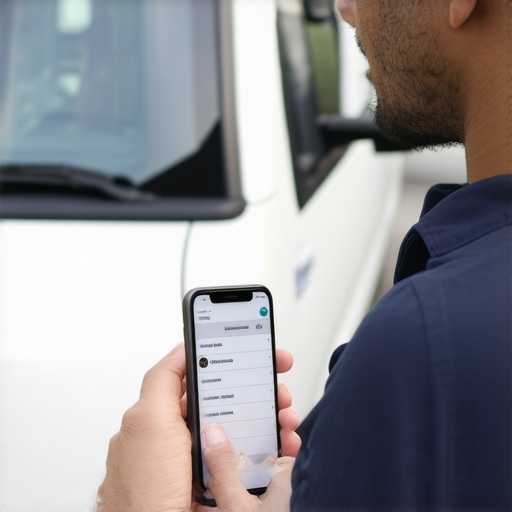
The benefit of using a mobile tech in your driveway
The Critical Nature of Immediate Glass Intervention
When a stone hits your glass at sixty miles per hour, it is not merely a cosmetic blemish. It is a structural breach in a pressurized system. As a master glazier with a quarter-century of field experience, I have seen homeowners treat a small star-break as a minor annoyance, only to find their entire structural pane compromised after a single cold snap. The benefit of using a mobile tech in your driveway is not about the convenience of staying in your pajamas; it is about the immediate stabilization of the glass before the environment can turn a sixty-dollar repair into a thousand-dollar replacement. In my decades of service, I have analyzed thousands of fractures, and the physics are always the same: glass is a supercooled liquid that is constantly under tension. When that tension is interrupted by an impact, the countdown to catastrophic failure begins.
The Driveway Autopsy: A Narrative of Neglect
I recall a specific call in a suburban driveway in Chicago during a particularly brutal November. The homeowner had a minor chip from a construction truck but decided to wait for his scheduled maintenance at a physical shop two weeks later. When I arrived for a separate consultation on his residential sash windows, I took my hygrometer to his driveway. The humidity was eighty percent, and a light frost had settled overnight. I showed him how the moisture had already been pulled into the chip via capillary action. Because water expands by approximately nine percent when it freezes, that microscopic amount of trapped moisture was acting as a hydraulic wedge. While we stood there, a loud ‘pop’ echoed across the driveway as a crack bifurcated the entire pane. This was not a faulty product; it was a failure to understand the ‘Same-day’ necessity of glass installer intervention. By bringing the mobile service to the driveway, we control the environment before the climate destroys the substrate.
“Installation is just as critical as the window performance itself. A high-performance window installed poorly will fail.” – AAMA Installation Masters Guide
The Physics of the Chip: Vacuum, Resin, and Refraction
A professional chip repair is an exercise in molecular bonding. When a mobile tech arrives in your driveway, they are not just ‘filling a hole.’ They are performing a multi-stage engineering process. First, the glass installer must evacuate the air and any moisture from the break. This requires a bridge and injector assembly capable of pulling a localized vacuum of twenty-five inches of mercury. If you skip this step, the resin will merely sit on top of the air pocket, creating a visible scar and a point of structural weakness. The resin itself is an anaerobic material that must match the refractive index of soda-lime glass, which is approximately 1.52. This ensures that light passes through the repair at the same speed and angle as the surrounding glass, rendering the repair invisible to the human eye. The mobile service environment allows the technician to use UV curing lamps to achieve a full cross-linking of the polymer chains in a controlled manner, right there in your driveway.
The Cold Climate Logic: Why U-Factor and Thermal Stress Matter
In northern climates like Minneapolis or Chicago, the glass in your vehicle or home is the primary barrier against a massive thermal gradient. We talk about the U-Factor, which measures the rate of heat transfer. A chip in your glass significantly increases the localized U-Factor, creating a thermal bridge. During the winter, the interior of the glass might be seventy degrees while the exterior is sub-zero. This creates immense thermal stress. If the glass installer does not address a chip immediately via mobile service, the internal stresses of the glass will naturally seek to relieve themselves by expanding the crack. We look for ‘Warm-edge’ performance in residential windows to prevent condensation, and the same principle applies to mobile glass. We must keep the dew point in mind; if the tech does not use a pre-heater on the driveway to warm the glass above the dew point, they risk trapping moisture inside the repair, leading to the ‘sweating’ effect that eventually delaminates the PVB (Polyvinyl Butyral) interlayer.
“The primary purpose of any glazing system is to maintain a weather-tight seal under all expected environmental conditions.” – ASTM E2112
The Myth of the ‘Caulk-and-Walk’ Installer
There is a massive difference between a certified glass installer and a ‘Tin Man’ style salesman who offers a quick fix. A proper repair requires an understanding of the ‘Rough Opening’ and the tolerances of the ‘Glazing Bead.’ In a driveway setting, a mobile tech must inspect the ‘Sill Pan’ and ‘Weep Hole’ equivalents in the glass housing. If water cannot escape the frame, it will sit against the edge of the glass, leading to edge-rot or seal failure. Many ‘same-day’ services fail because they do not account for the ‘Shingle Principle’ (ensuring water always flows down and away from the structural bond). When I perform a mobile service, I am looking for more than just the chip; I am inspecting the ‘Flashing Tape’ and the ‘Shim’ placement to ensure the glass is not under unnecessary torsional stress from a warped frame. If your ‘Operable’ glass or ‘Sash’ is not aligned within a sixteenth of an inch, the repair will eventually fail under the vibration of normal use.
Structural Integrity and the Role of Laminated Glass
Modern glass is a structural component. In many cases, the glass provides up to thirty percent of the structural integrity of the frame. This is why a ‘Same-day’ chip repair is a safety requirement, not a luxury. When a chip occurs, the sacrificial outer layer of the laminated glass is compromised. A mobile service tech uses high-viscosity resins to rebuild that structural bridge. This is not about aesthetics; it is about ensuring that the ‘Muntin’ or the frame does not have to carry the load that the glass was engineered to handle. Using a mobile tech in your driveway allows for a ‘static’ cure time where the vehicle or window is not subjected to the stresses of a drive back from a shop, which can often jiggle a fresh repair before it has fully polymerized.
Conclusion: Precision Over Convenience
The decision to use a mobile service in your driveway is a decision to prioritize the technical health of your glass. By engaging a master glass installer for a same-day chip repair, you are preventing the inevitable cycle of moisture expansion and thermal failure. You are ensuring that the resin bond is achieved at the correct temperature and humidity levels. Do not settle for a ‘caulk-and-walk’ fix. Demand a technician who understands the difference between a ‘Sill Pan’ and a simple bead of sealant. Your glass is the only thing standing between you and the elements; treat it with the engineering respect it deserves. “