The risk of using a phone with a loose screen
The Physics of Micro-Glazing: Why a Loose Screen is a Structural Time Bomb
As a Master Glazier with over a quarter-century in the field, I have seen what happens when the bond between glass and substrate fails. Whether it is a forty-story curtain wall in a gale-force wind or the six-inch glass panel in your pocket, the principles of fenestration and structural integrity do not change. When you carry a phone with a loose screen, you are essentially carrying a window where the Glazing Bead has failed. You are looking at a Rough Opening that is no longer weather-tight. In the industry, we call this a catastrophic seal failure waiting for a trigger. Most people think a screen that is lifting is just an aesthetic nuisance, but from a technical perspective, the loss of the structural bond changes the way stress is distributed across the entire device. Just as a Sash that is out of square will eventually crack the glass it holds, a phone frame that cannot properly support its glass panel is a disaster in progress.
“Installation is just as critical as the window performance itself. A high-performance window installed poorly will fail.” AAMA Installation Masters Guide
The Condensation Crisis: A Master Glazier Narrative
A homeowner called me in a panic because their new windows were sweating. I walked in with my hygrometer and showed them the humidity was 60 percent. It was not the windows: it was their lifestyle. I see the same thing with mobile electronics. I once had a client bring me a device with a screen that had slightly lifted at the corner. They lived in a high-humidity environment, much like the humid corridors of the South where Solar Heat Gain is a constant battle. Because the adhesive had failed, the device was effectively breathing. Every time they moved from an air-conditioned room to the humid outdoors, the pressure differential pulled moist air into the gap behind the glass. Within a week, the internal components were corroded. It was not a hardware defect: it was a failure of the environmental seal. In the world of glass installation, we know that if you lose the seal, you lose the system. This is why a mobile service that provides an immediate fix is not just a convenience, it is a preservation strategy for the hardware.
The Enemy: Solar Heat Gain and Thermal Expansion
In hot climates like Phoenix or Miami, the primary enemy of any glass installation is the sun. We talk about the SHGC (Solar Heat Gain Coefficient) constantly. When your phone sits in a car or even in direct sunlight, the internal temperatures can spike well above 120 degrees Fahrenheit. The glass and the metal or plastic frame have different coefficients of thermal expansion. They grow and shrink at different rates. A professional glass installer uses specialized adhesives that act as a Shim, allowing for this minute movement while maintaining a waterproof bond. When that adhesive fails and the screen becomes loose, the glass is no longer supported uniformly. This creates localized stress concentrations. A small chip repair that could have been handled easily becomes a full-blown fracture because the glass has no room to move. It is the same reason we leave a specific tolerance in a Rough Opening: if the building settles and the glass is tight against the studs, it will shatter.
The Anatomy of the Seal: Beyond the Nailing Fin
In window installation, we rely on a Sill Pan and Flashing Tape to manage water. On a phone, the adhesive gasket is your only line of defense. When this gasket is compromised, you lose the Weep Hole logic that should govern water management. Instead of water being directed away from sensitive areas, the loose screen creates a capillary effect. This capillary action can draw liquid deep into the Muntin-like internal supports of the screen assembly. As a specialist, I find it negligent when users ignore a lifting screen. They are essentially removing the Flashing Tape from their house and wondering why the walls are rotting. A same-day intervention is required to re-establish the structural bond before dust and skin oils contaminate the bonding surfaces. Once those surfaces are contaminated, a simple re-bond is no longer possible, and you are looking at a full replacement of the entire Operable unit.
“The integrity of the seal is the primary barrier against environmental degradation and structural failure in any glazed assembly.” ASTM E2112 Standard Practice
The Risk of Shards and Structural Failure
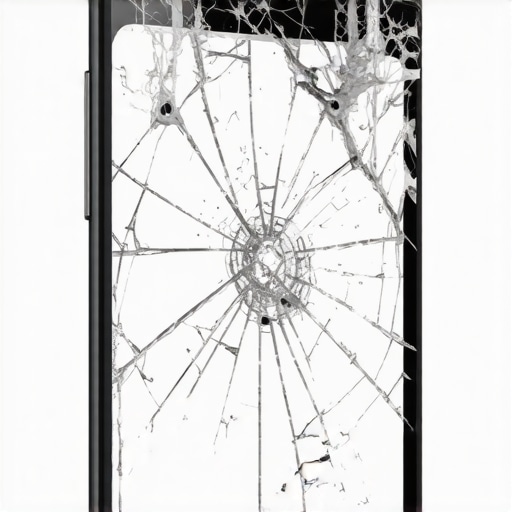
We often discuss the safety of tempered glass in high-traffic areas. The glass on your phone is often chemically strengthened, but it is not invincible. When a screen is loose, the edges of the glass are exposed. In a proper installation, the Glazing Bead or the frame protects these edges. Exposed edges are the weakest point of any glass panel. A minor impact that would normally be absorbed by the frame is instead transferred directly to the edge of the glass. This is where chip repair becomes impossible. The glass will fail in a spiderweb pattern, sending microscopic shards into your thumb. As someone who has seen the damage a pressurized glass failure can do, I do not take this lightly. You are holding a pressurized, structurally compromised piece of silicate. The glass installer must ensure that the glass is seated perfectly level, with no high spots that could cause a pressure crack during the next thermal cycle.
Why Mobile Service is the Professional Standard
Wait times are the enemy of glass integrity. The longer a screen remains loose, the more the internal Sash of the phone is exposed to particulates. This is why a mobile service is the only logical solution. You cannot leave a hole in your wall open for a week while you wait for a contractor: you dry-in the building immediately. The same logic applies here. An expert glass installer can perform the chip repair and reseal the unit in a controlled mobile environment, ensuring that the Rough Opening of the device frame is clean and the new adhesive bonds at the molecular level. This prevents the ROI of your device from plummeting due to preventable water damage or total display failure. Do not settle for a caulk-and-walk repair: demand a technician who understands the thermal dynamics and the structural requirements of modern glass bonding.
{“@context”:”https://schema.org”,”@type”:”HowTo”,”name”:”Managing a Loose Mobile Screen Repair”,”step”:[{“@type”:”HowToStep”,”text”:”Identify the point of adhesive failure along the frame edge.”},{“@type”:”HowToStep”,”text”:”Clean the bonding surfaces to remove oils and particulates that prevent adhesion.”},{“@type”:”HowToStep”,”text”:”Apply a professional-grade structural adhesive to the frame perimeter.”},{“@type”:”HowToStep”,”text”:”Seat the glass panel using precision shims to ensure uniform pressure.”},{“@type”:”HowToStep”,”text”:”Cure the bond under controlled thermal conditions to ensure a permanent seal.”}]}