Why your windshield needs a specific cure time
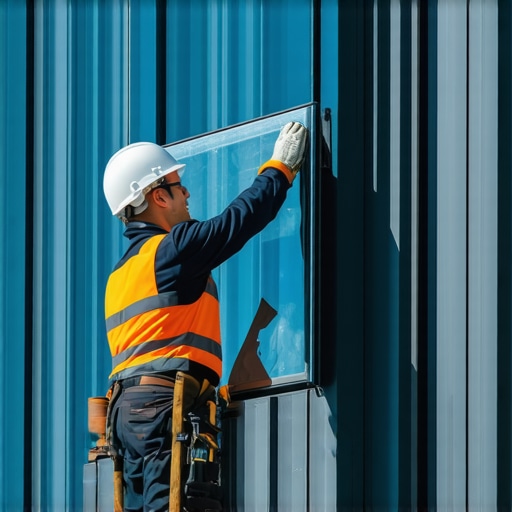
As a Master Glazier with over 25 years in the field, I have seen it all, from the installation of high-rise curtain walls to the delicate task of restoring a 19th-century wood sash. But there is one area where I see constant corner-cutting that truly irritates my professional sensibilities: the failure to respect the cure time of a structural adhesive in automotive glass. A window is not merely a piece of transparent material; it is a critical component of a building or a vehicle’s structural integrity. When a glass installer tells you that your vehicle is ready for a same-day mobile service, they are making a claim that must be backed by the laws of chemistry and physics, not just a desire to get to the next job. I remember a specific case where a homeowner called me in a panic because their new windshield was whistling and they suspected a defect in the glass. I walked in with my hygrometer and showed them that the ambient humidity in their climate-controlled garage was a mere 18 percent. It was not the glass that had failed; it was their lifestyle and the environment. They had driven the vehicle within two hours in a bone-dry environment where the moisture-cured urethane required at least six hours to achieve a Safe Drive-Away Time (SDAT). The bond had not even begun its cross-linking process before they hit highway speeds, causing the seal to stretch and create a permanent air leak.
“Installation is just as critical as the window performance itself. A high-performance window installed poorly will fail.” – AAMA Installation Masters Guide
The Science of the Glazing Bead
To understand why cure time is non-negotiable, we must look at the molecular level. Most modern windshields are bonded to the pinch weld, which is essentially the rough opening of the vehicle, using a high-modulus, moisture-cured polyurethane. This is not your hardware-store silicone. This is a structural grade material designed to withstand incredible shear forces. The glass installer applies a specific glazing bead of this urethane, often in a triangular shape, to ensure maximum contact between the glass and the frame. The curing process is a chemical reaction where the polyurethane molecules react with water vapor in the atmosphere. This reaction creates a polymer matrix that is incredibly strong. In a Northern or cold climate, such as Minneapolis or Chicago, the air is often stripped of its moisture. Without that water vapor, the chemical reaction slows to a crawl. If you are getting a mobile service in the dead of winter, your cure time could be double or triple what it would be in a humid environment like Florida. This is why a professional will always check the dew point and the relative humidity before giving you the green light to drive.
The Structural Role of Glass
Why does it matter if the urethane is fully cured? In a modern vehicle, the windshield provides up to 60 percent of the structural integrity in a rollover accident. It also serves as the primary backstop for the passenger-side airbag. When that airbag deploys, it hits the glass with immense force before expanding toward the passenger. If the glass installer used a subpar adhesive or if the cure time was ignored, the entire glass unit could be ejected from the rough opening. This is why we follow standards like the Auto Glass Safety Council (AGSC) and Federal Motor Vehicle Safety Standards.
“The windshield is a structural component of the vehicle. Failure to follow the adhesive manufacturer’s instructions for cure time can result in a loss of structural integrity.” – Auto Glass Safety Council Standard
We don’t just ‘caulk and walk.’ We manage the bond to ensure it can handle the positive and negative pressures exerted during a collision. In my years of experience, I have seen ‘Tin Man’ style installers try to skip the primer or use a low-quality adhesive to save five dollars. They ignore the weep hole requirements of the cowl and leave the customer with a ticking time bomb. A proper installation requires cleaning the glass frit, applying a specialized primer to promote adhesion, and ensuring the setting blocks are positioned so the glass does not slide down the sill while the urethane is in its initial tack phase.
Chip Repair vs. Full Replacement
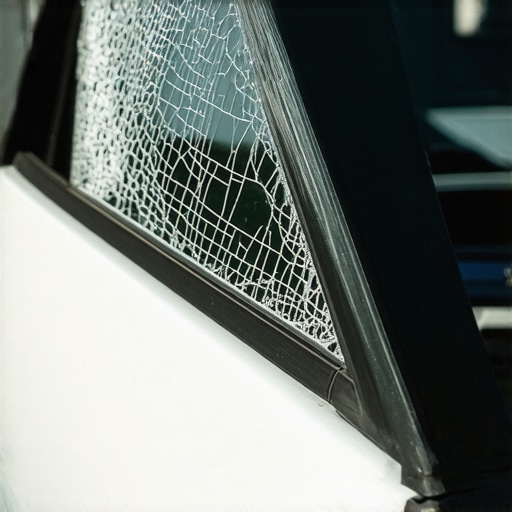
Often, a client will ask if a chip repair can be done via mobile service on the same day. The answer is usually yes, but the science is different. While a full replacement relies on moisture-cured urethane, a chip repair uses an anaerobic or UV-cured resin. The glass installer injects this resin into the break, and a specific wavelength of light is used to trigger the hardening process. This is a much faster procedure, but it still requires a clean environment. Dust or moisture trapped in a chip will prevent the resin from bonding, leading to a failed repair that will eventually spread into a full-blown crack. Whether it is a small repair or a full replacement, the tolerances of the rough opening and the cleanliness of the glazing bead are what separate a master glazier from a novice. We do not use a shim to force glass into place; we ensure the opening is true and the adhesive does the work of supporting the load. Do not be seduced by the promise of a fifteen-minute fix. Real science takes time, and your safety is worth the wait.