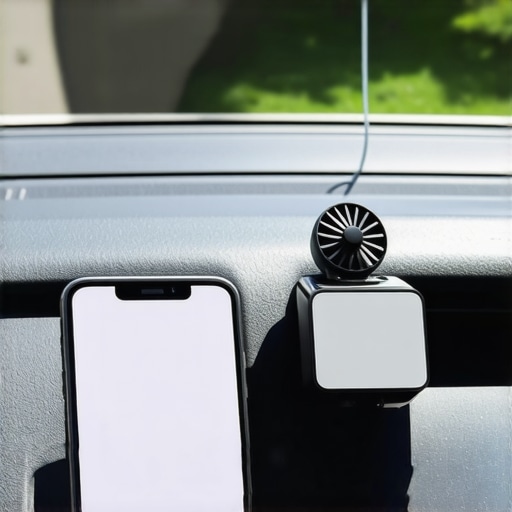
How to stop your phone from overheating in the car
The Greenhouse Effect on Your Dashboard
As a master glazier with over two decades of experience handling everything from high-efficiency residential units to heavy commercial curtain walls, I look at your car differently than most. To you, it is a vehicle. To me, it is a mobile glass enclosure with high solar exposure and limited thermal mass. When people ask why their phone is overheating while mounted on the dashboard, they usually blame the battery or the software. The reality is simpler and more grounded in physics: you are placing a sensitive electronic device inside a high-output solar collector. Most factory automotive glass is designed for visibility and safety, not necessarily for high-performance thermal rejection. We are talking about Solar Heat Gain Coefficient (SHGC), which is the fraction of incident solar radiation that actually enters through the glass. In most cars, that number is dangerously high for modern electronics.
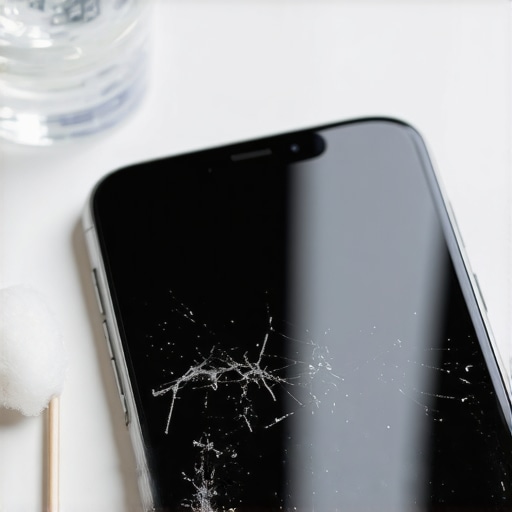
A homeowner called me in a panic because their new windows were ‘sweating.’ I walked in with my hygrometer and showed them the humidity was 60%. It was not the windows; it was their lifestyle choices regarding ventilation. I see the same thing with drivers who wonder why their phone shuts down in the sun. They ignore the atmospheric conditions inside the cabin. When solar radiation strikes your windshield, it is not just light; it is energy. That energy passes through the glass and is absorbed by your dark dashboard and your phone. This energy is then re-radiated as long-wave infrared radiation, which cannot easily pass back out through the glass. This is the classic greenhouse effect, and it turns your car into a thermal trap. If you have a small crack in that glass, the thermal stress of this heat buildup can cause the damage to spread across the entire pane in minutes, which is where a mobile service for chip repair becomes a vital safety measure rather than just a cosmetic fix.
“Glass is a major contributor to the thermal environment of an enclosed space, where solar transmittance can lead to rapid temperature spikes.” – ASTM E2112 Standard Practice
The Physics of Thermal Conductivity and Surface Coatings
To understand how to stop the heat, we have to look at the glass itself. In the glazing industry, we talk about Surface #1 through Surface #4. Surface #1 is the exterior face of the glass. Surface #2 is the inside of the outer pane in a laminated assembly. In most modern windshields, which are laminated for safety, we have a Polyvinyl Butyral (PVB) interlayer sandwiched between two sheets of glass. If you want to stop a phone from overheating, you need to address the SHGC. High-performance glass uses a Low-E coating, usually a microscopically thin layer of silver or other metal oxides. In a hot climate like Arizona or Texas, we want that coating on Surface #2. This reflects the solar energy back toward the outside before it can even enter the cabin. Most stock windshields do not have these high-end coatings, meaning your phone is taking the full brunt of the solar load. Using a same-day glass installer to upgrade to a windshield with better IR-reflective properties can reduce cabin temperatures by up to 20 degrees Fahrenheit.
The Role of Maintenance: Why Chip Repair Matters for Heat Management
You might not think a small stone chip affects your phone overheating, but the integrity of your glass is paramount to the thermal stability of the vehicle. Glass expands and contracts. When a chip exists, it creates a point of concentrated stress. As the sun beats down and you blast the air conditioning to keep the phone cool, you are creating a massive thermal gradient across the glass. The exterior is 110 degrees; the interior is 70 degrees. This delta-T (change in temperature) puts immense pressure on the rough opening of the window frame. A professional mobile service can perform a chip repair to restore the structural integrity of the pane, ensuring that the thermal stress does not result in a full structural failure. This is why a same-day fix is not just about aesthetics; it is about maintaining the pressure-sealed environment of your cabin.
“Installation is just as critical as the window performance itself. A high-performance window installed poorly will fail.” – AAMA Installation Masters Guide
Practical Strategies for Heat Mitigation
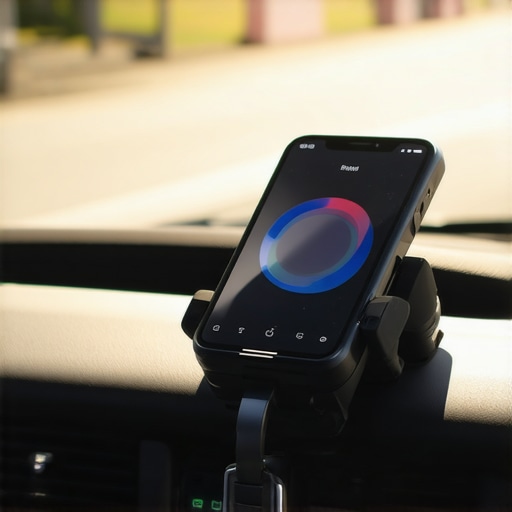
If you cannot replace your glass with high-performance glazing, you must manage the light. First, move the phone out of the direct line of sight of the sun. The mounting location is your biggest enemy. A phone mounted on the windshield is essentially sitting in a solar oven. Use a vent mount. Not only does this move the device into the shade, but it utilizes the car’s HVAC system as a heat sink. In the glazing world, we use weep holes to manage water and airflow; in your car, the air conditioning vent acts as the primary cooling mechanism for the device’s internal circuitry. Second, consider the emissivity of your phone case. A black rubber case has high absorptivity, meaning it sucks up every photon that hits it. A lighter-colored, reflective case will help, though it is no substitute for proper shading. Finally, ensure your window seals and the glazing bead around your side windows are intact. If your cabin cannot hold a vacuum or a positive pressure of cool air due to perished seals, your air conditioning will never be able to keep up with the solar gain hitting your phone.
Ultimately, a window is a hole in your car’s thermal envelope. Whether I am shimming a massive storefront window or assessing a windshield for a chip repair, the goal is always the same: control the environment. Do not treat your car glass as a passive element. It is an active participant in your phone’s thermal health. If the glass is compromised, get a glass installer to look at it immediately. Use the science of glazing to your advantage, and stop treating the symptoms when the cause is the massive amount of infrared radiation you are allowing through your windshield.