The simple test to see if your screen digitizer is dying
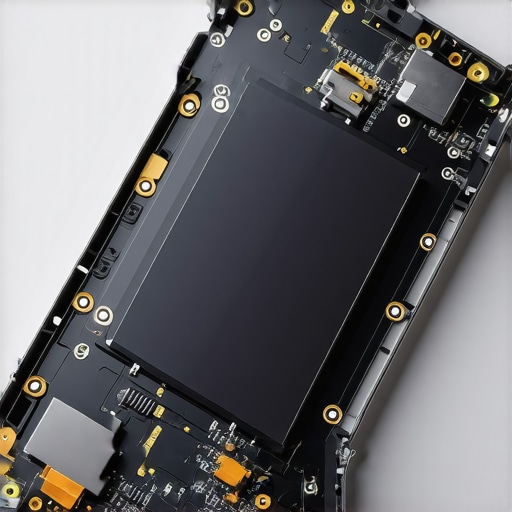
In twenty-five years of handling glass, from forty-story curtain walls to the delicate laminated assemblies of modern high-tech storefronts, I have learned one fundamental truth: glass is never just glass. It is a complex sandwich of physics, chemistry, and engineering. When you are dealing with integrated technology like a screen digitizer, you are no longer just looking at a transparent barrier. You are looking at a multi-layered electronic component. As a glass installer, I see too many people overlook the signs of structural fatigue until the entire assembly is bricked. Whether it is a mobile device or a high-end interactive display in a commercial lobby, the physics of glass failure remain the same. If you are noticing ghost touches or unresponsive zones, you are not just dealing with a software glitch; you are likely witnessing the mechanical delamination of the Indium Tin Oxide (ITO) layer. My job is to tell you why that happens and how to catch it before you are forced into an emergency replacement.
The Condensation Crisis: A Master Glazier’s Perspective
A homeowner called me in a panic because their new high-performance windows were ‘sweating.’ I walked in with my hygrometer and showed them the humidity was 60 percent. It was not the windows; it was their lifestyle choices combined with a misunderstanding of how dew point works on glass surfaces. This same logic applies to the electronic layers in your screen digitizer. When I perform mobile service for glass repair, the first thing I look for is moisture ingress or thermal stress. People think glass is static, but it expands and contracts. If the adhesive bond between the protective glass and the digitizer layer is compromised by even a micron, environmental moisture enters the fray. This creates a micro-climate inside your device that eventually leads to the failure of the capacitive field. I have pulled apart enough ‘weatherproof’ units to know that the seal is only as good as the technician who applied it.
“Installation is just as critical as the window performance itself. A high-performance window installed poorly will fail.” – AAMA Installation Masters Guide
The Simple Test: Diagnosing the Dead Zones
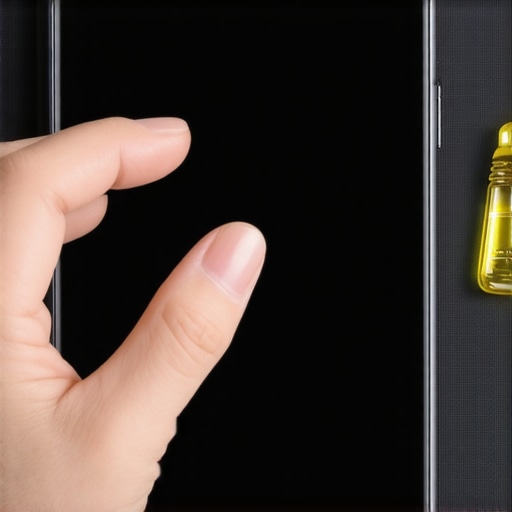
Before you call for a same-day chip repair or a full glass installer to come to your location, you need to perform a diagnostic sweep. This is the ‘glazier’s hand-test’ adapted for the digital age. Most people wait until the glass is shattered to act, but the digitizer often dies long before the first crack appears. To test this, enable ‘Developer Options’ on your device and turn on ‘Pointer Location’ or ‘Show Taps.’ Drag your finger across every millimeter of the surface. If the line breaks, you have a dead zone. This is often caused by a microscopic fracture in the glazing bead of the internal assembly. In the glazing trade, we call this a structural ‘stress riser.’ Even if the exterior glass looks perfect, the internal conductive layer has snapped. This is why a mobile service specializing in glass is superior to a general tech repair shop; we understand the mechanical tolerances of the glass itself and how the rough opening of the frame might be putting undue pressure on the electronic layers.
Thermal Dynamics and Cold Climate Logic
In cold climates like Chicago or Minneapolis, the enemy of glass is heat loss and the resulting contraction. When the exterior temperature drops, the U-Factor of your glass becomes the most important number in your life. A lower U-Factor means the glass is better at keeping heat inside. However, for a screen digitizer, cold weather is a death sentence if there is a ‘chip’ in the glass. We see this often in mobile service calls: a tiny chip from a drop expands during a cold snap because the glass and the plastic digitizer layer have different coefficients of thermal expansion. The glass wants to shrink, the plastic resists, and the conductive ITO layer is torn apart. This is why immediate chip repair is not just about aesthetics; it is about maintaining the structural integrity of the electronic circuit integrated into the glass. If you are in the North, you want a glass installer who understands that Surface #3 coatings and warm-edge spacers are not just for house windows; they are principles that govern how all laminated glass survives the winter.
“The National Fenestration Rating Council (NFRC) provides consistent ratings on window, door, and skylight energy performance, ensuring consumers can compare products accurately.” – NFRC Performance Standards
The Physics of the Digitizer: Why Mobile Service Matters
When I talk about ‘Glazing Zooming,’ I am talking about looking at the molecular level. A digitizer works by creating a capacitive field. Your finger draws a small amount of electrical charge to the point of contact. This requires the glass to be a perfect insulator and the coating to be a perfect conductor. When you have a chip, or if the glass was not seated correctly in its sash, you get ‘stray capacitance.’ This is why your screen might act like it is being touched when it isn’t. As a glass installer, I ensure that the shim and the sealant are placed with sub-millimeter precision. If the frame is twisted by even a fraction of a degree in the rough opening, the glass is under constant torsion. Eventually, that torsion leads to the failure of the digitizer. A same-day mobile service is essential here because the longer you leave glass under stress, the more likely the failure will migrate from a simple repair to a total loss of the unit.
The Math of Replacement: Why Chip Repair Trumps Replacement
There is a myth in the glass industry that everything needs to be replaced. I call it the ‘sales pitch’ that ignores the science of ROI. If you have a small chip in your digitizer-integrated glass, a high-quality resin injection can often stabilize the fracture and restore the refractive index of the glass. This prevents the crack from reaching the edges of the frame where it would eventually hit the weep hole or the glazing bead, allowing moisture to ruin the electronics. In the glazing world, we focus on the ‘shingle principle’—ensuring that water and air are always moving away from the sensitive internal components. By choosing a mobile service for immediate chip repair, you are effectively applying a sill pan to your electronics, creating a barrier that saves you from the 150-year ROI of a full-scale replacement of a high-tech glass assembly. Do not let a ‘Tin Man’ salesman tell you that a small scratch means the whole window or screen is junk. Science says otherwise.
Conclusion: The Glazier’s Final Word
In the end, whether it is an operable sash in a luxury home or the glass on your most vital piece of technology, the principles of glazing remain constant. You must manage the thermal stress, protect the internal layers from moisture, and ensure the frame is not applying uneven pressure. The ‘simple test’ of tracing your digitizer’s responsiveness is your first line of defense. If you find a failure, do not wait for the ‘condensation crisis’ to take over. Call a glass installer who knows the difference between a muntin and a glazing bead, and who understands that the real work happens in the preparation of the rough opening. Glass is a beautiful, volatile material. Treat it with the technical respect it deserves, and it will serve you for decades.