Why your windshield tech uses a specific primer for urethane
The Hidden Failure in Your Front Seat
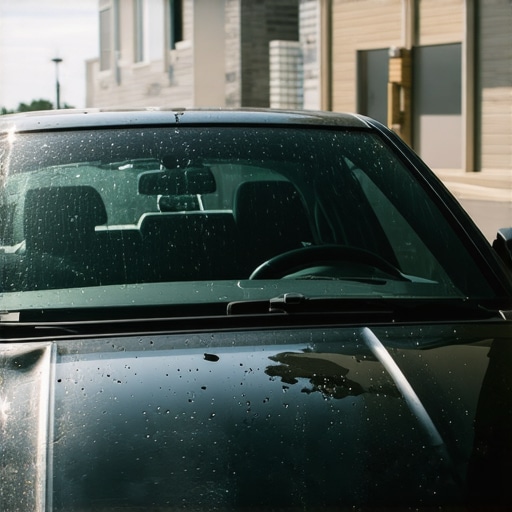
I recently inspected a 2019 sedan where the owner complained of a high-pitched whistling sound at highway speeds and a mysterious dampness in the floorboards after a heavy rain. I pulled back the plastic cowl and pushed gently on the glass. The entire lower corner of the windshield lifted away from the body with zero resistance. It was a classic case of adhesion failure. I walked the owner through the evidence: the previous glass installer had opted for a mobile service speed-run, skipping the essential step of applying a dedicated black silk primer. The paint on the pinchweld was scratched from the removal tool, and because those scratches weren’t sealed, the urethane never bonded to the metal. Instead, it was sitting on top of a layer of micro-corrosion. This is what we call a ‘caulk and walk’ job, and it is the single most dangerous mistake a technician can make.
“The bonding of the windshield to the vehicle frame is a critical structural element of the modern safety system. In the event of a rollover or airbag deployment, the glass must remain fixed to maintain the roof’s load-bearing capacity and provide a backstop for the passenger-side airbag.” – AGRSS (Auto Glass Replacement Safety Standard) 002-2002
To understand why that little bottle of black liquid is so important, we have to look at the chemistry of the glass itself. Every modern windshield features a black ceramic band around the edge known as the frit. This frit is not just for decoration; it provides a textured surface for the urethane to grab onto. However, glass is naturally non-porous and chemically inert. Without a silane-based primer to act as a molecular bridge, the urethane adhesive would eventually peel away like a dry sticker. The primer creates a covalent bond, essentially fusing the adhesive to the glass and the vehicle’s pinchweld at a microscopic level. In hot climates like Texas or Florida, where the radiant heat of the sun can reach 150 degrees Fahrenheit on the dashboard, the thermal expansion and contraction of the glass are extreme. A mobile service technician must account for this heat by ensuring the primer has a perfect flash-off time before the bead is laid down.
The Anatomy of a Structural Bond
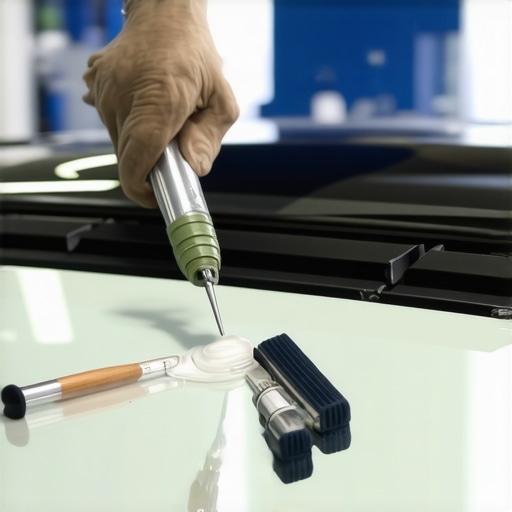
When we perform a same-day chip repair, we are dealing with surface tension and resin viscosity. But when we perform a full replacement, we are dealing with structural engineering. The windshield provides up to sixty percent of the structural integrity of a vehicle’s cabin during a rollover. If your glass installer is not using a high-quality primer, that percentage drops to zero the moment the urethane fails. The primer serves three primary functions: UV protection, adhesion promotion, and corrosion inhibition. Polyurethane, the material used for the main adhesive bead, is highly susceptible to ultraviolet degradation. Without the opaque barrier of the primer, the sun would bake the urethane until it becomes brittle and crumbly. [IMAGE_PLACEHOLDER] This is why we insist on a specific black-out primer that blocks 99.9 percent of UV rays from reaching the bond line.
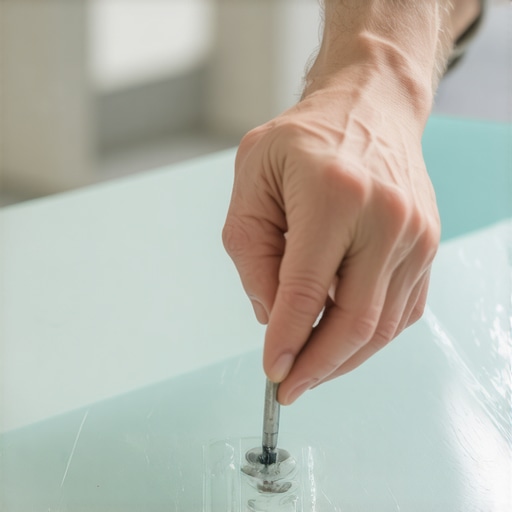
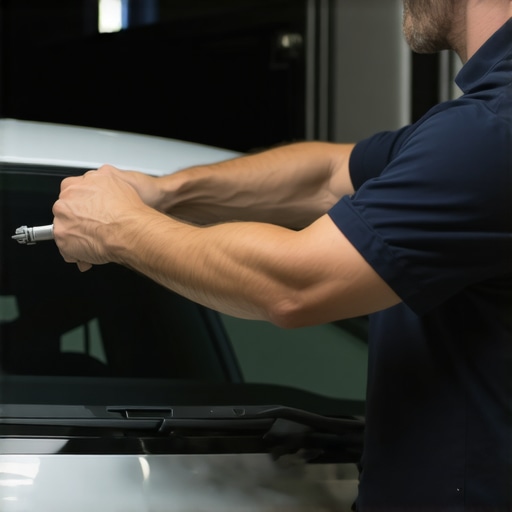
The application process is precise. We use a lint-free dauber to apply the primer to any area where the paint was scratched during the removal of the old glass. This is the ‘pinchweld’ area. If those scratches are left exposed, moisture will find its way under the urethane bead, causing the metal to rust. Once rust begins under the glass, it is nearly impossible to stop without a full body shop restoration. This is why a proper mobile service must include a meticulous cleaning of the rough opening and the application of a primer that is chemically compatible with the specific urethane being used. Mixing brands is a recipe for disaster. If a tech uses Brand A primer with Brand B urethane, the chemical reaction may not complete, leaving the adhesive in a semi-liquid, non-structural state.
“Adhesion failure is most often caused by improper surface preparation or the omission of required primers, leading to a compromise in the structural integrity of the vehicle.” – IGA (Independent Glass Association) Technical Bulletin 41-C
Climate Logic and the Physics of Curing
In high-heat and high-humidity environments, the challenges for a mobile service tech multiply. Urethane is a moisture-cured adhesive, meaning it pulls water from the air to harden. In a humid coastal environment, the urethane might skin over too quickly, preventing the primer on the glass from properly integrating with the main bead. This is why we monitor the dew point and ambient temperature before we even open a tube of adhesive. For the south, where solar heat gain is the enemy, the choice of primer is even more critical. We need a primer that can withstand the thermal shock of a car moving from a 100-degree parking lot into a 60-degree car wash. Without the flexibility and strength of a primed bond, the glass would simply crack under the stress of the temperature differential.
When you call for a chip repair, you are looking for a cosmetic fix that prevents a crack from spreading. But when you are looking at a full replacement, you are hiring a structural technician. The quality of the primer, the thickness of the urethane bead, and the cleanliness of the pinchweld determine whether you will survive a crash. The next time you see a tech working in your driveway, watch for that small bottle of black primer. If they do not use it, they are not just skipping a step; they are compromising your life. The chemistry of the bond is the only thing standing between you and a catastrophic failure. A professional glass installer knows that there are no shortcuts when it comes to the science of adhesion. It is a matter of physics, chemistry, and life-saving precision.