Why your phone is making a clicking sound
The Anatomy of Structural Sound: Why Glass Clicks
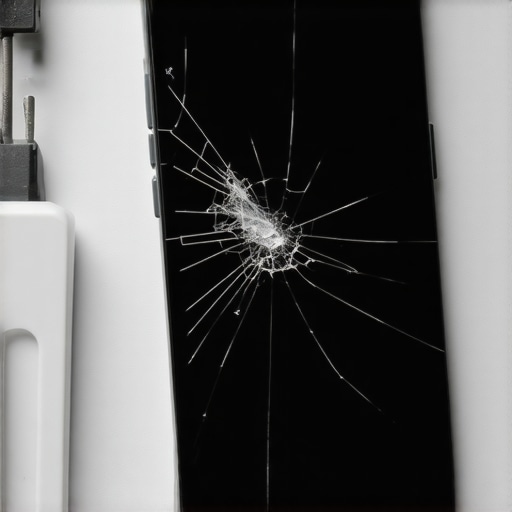
When you hear a persistent clicking sound coming from your electronic device or your home window, you are not just hearing a mechanical glitch; you are hearing the audible protest of materials under extreme thermal stress. As a master glazier with a quarter-century in the field, I have learned that glass never lies. Whether it is a smartphone screen or a massive storefront pane, that clicking sound often indicates that the glazing bead or the adhesive bond is failing due to expansion and contraction. In the world of high-end glass installation, we call this the ‘thermal dance.’ If the materials around the glass do not have the proper tolerances to expand, they begin to bind, leading to the clicking you hear before a full-blown stress crack appears.
The Condensation Crisis: A Master Glazier’s Perspective
A homeowner called me in a panic because their new windows were ‘sweating’ and making odd popping noises at night. I walked in with my hygrometer and showed them the humidity was 60 percent. It was not the windows; it was their lifestyle choices. They were running a humidifier in a sealed environment while the outdoor temperature dropped. This is the ‘Dew Point’ reality. When warm, moist indoor air hits the cold surface of a glass pane, physics takes over. If you do not have a warm-edge spacer or a properly insulated glass unit, that moisture is going to sit on your sash and rot your wood or corrode your metal. The clicking they heard was the frame expanding against the rough opening because the previous installer did not leave enough room for shims and thermal movement.
“Installation is just as critical as the window performance itself. A high-performance window installed poorly will fail.” AAMA Installation Masters Guide
The Mobile Service Standard: Why Chip Repair Cannot Wait
In hot climates like the South, a minor chip in your glass is a ticking time bomb. You might think you can wait, but the Solar Heat Gain Coefficient (SHGC) is working against you every second the sun is up. When you call for a mobile service glass installer, you are looking for more than a quick fix; you are looking for structural stabilization. Same-day chip repair is essential because the heat on Surface #2 of your glass can reach temperatures that cause a micro-crack to sprint across the entire pane in minutes. We use specialized resins that match the refractive index of the glass, but the secret is in the vacuum seal. If you do not pull the air out of that chip before injecting the resin, the repair will fail the first time the temperature fluctuates.
Blueprint for Success: The Installation Autopsy
Let us look at why so many ‘professional’ installations fail within the first five years. It usually comes down to the Shingle Principle. Water flows down. If your flashing tape is not lapped correctly, water will find its way behind the nailing fin and into your wall cavity. I have performed countless autopsies on failed windows where the sill pan was missing entirely. Without a sill pan to catch incidental moisture and direct it out through the weep hole, that water sits on the rough opening until the header and the studs are black with rot. A proper glass installer knows that the window is just one part of a complex water management system.
“The primary goal of a window installation is to maintain the integrity of the building envelope’s water-resistive barrier.” ASTM E2112 Standard Practice
Understanding the Physics of Low-E Coatings
In a southern climate, we prioritize blocking the sun’s radiant heat. This is why we specify Low-E coatings on Surface #2. This coating is a microscopically thin layer of silver or other low-emissivity material that reflects long-wave infrared radiation. By reflecting this heat back outside before it can pass through the second pane of glass, we drastically reduce the cooling load on the building. When you hear your glass clicking, it is often because these different layers are heating up at different rates. If the glazing bead is too tight, the glass cannot move, and the resulting stress can lead to spontaneous breakage. A master glazier understands that we are managing energy, not just installing a transparent barrier.
The Role of the Sash and Muntin in Modern Glazing
Whether you have an operable sash or a fixed lite, the interface between the glass and the frame is critical. We use high-quality shims to ensure the window is level, square, and plumb within the rough opening. If the frame is twisted even an eighth of an inch, the weatherstripping will not seat correctly, and you will have air infiltration. This is the draft you feel in January. It is not the glass failing; it is the installation failing. Even the muntin bars, which are often decorative today, must be accounted for in the overall thermal profile of the unit to ensure uniform heat distribution across the pane.
Why Same-Day Service and Expertise Matter
When searching for a glass installer, do not be fooled by the lowest bid. Quality glass work requires a mobile service that brings a full laboratory to your driveway. From chip repair to full-frame replacement, the technical requirements remain the same. You need an installer who understands that a window is a hole in your home’s thermal defense. We use specialized flashing tape and high-performance sealants that remain flexible even after years of UV exposure. If your installer is just using a standard tube of caulk from a big-box store, you are looking at a leak in less than two years. Precision is the only way to prevent the dreaded clicking sound and ensure your glass lasts for decades.