The real reason your car cameras fail after a glass swap
The Invisible Optical Component: Why Glass Is More Than a Shield
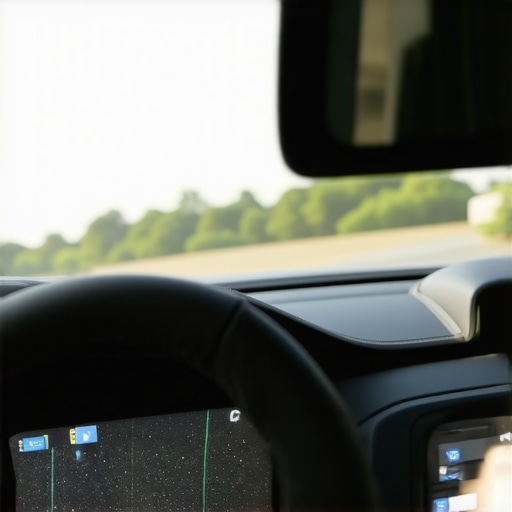
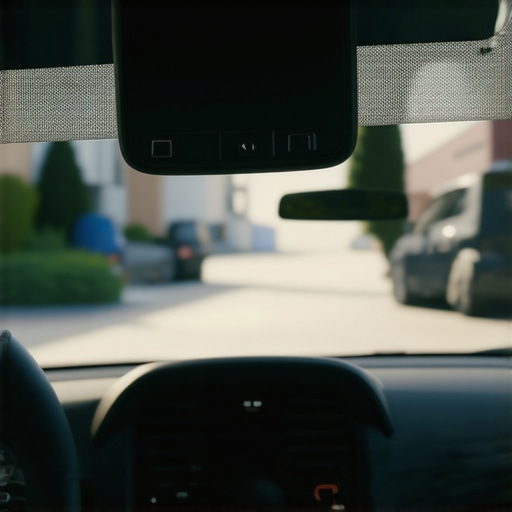
When most people look at a windshield, they see a transparent barrier designed to keep wind and bugs out of their teeth. As a master glazier with a quarter-century in the trade, I see a complex optical lens. In the modern automotive landscape, your windshield is the primary sensory organ for your vehicle’s Advanced Driver Assistance Systems, or ADAS. When you hire a glass installer for a same-day swap and your emergency braking starts acting like a nervous student driver, it is not a computer glitch. It is a physics failure. The glass itself is failing to provide the precision required for the camera to interpret the world. Most mobile service providers are focused on the seal, not the sightline, and that is where the danger begins.
The Narrative of the Misaligned Fleet
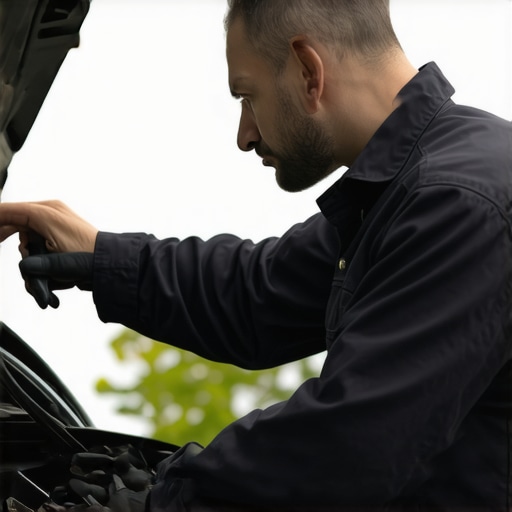
I recently sat across from a regional logistics manager who was fuming because his entire fleet of late-model vans was experiencing lane-departure failures. He had opted for a low-bid mobile service that promised same-day turnarounds. I had to explain to him that the ROI on those cheap windshields was actually a massive liability. I took a digital protractor to one of his vehicles and showed him that the camera bracket, pre-installed on the aftermarket glass, was off by a mere three degrees. To the human eye, it is nothing. To a camera looking three hundred feet down the highway, three degrees is the difference between staying in your lane and sideswiping a concrete barrier. This was the classic ‘Tin Man’ scenario where the homeowner or business owner is sold on the speed of the chip repair or replacement without understanding the technical toll taken on the vehicle’s safety architecture.
“Installation is just as critical as the window performance itself. A high-performance window installed poorly will fail.” AAMA Installation Masters Guide
The Physics of Refraction and the PVB Interlayer
To understand why a camera fails, you have to Glazing Zoom into the molecular structure of the glass. A windshield is a sandwich: two layers of glass held together by a Polyvinyl Butyral (PVB) interlayer. In high-quality OEM glass, the thickness of this PVB layer is controlled to a micron-level tolerance. When light passes through the glass to the camera lens, it must not bend unexpectedly. Cheap aftermarket glass often has ‘waves’ or variations in the cooling process that create optical distortion. If the camera perceives a distorted image, the software cannot calculate the distance to the car in front of you with 100 percent accuracy. This is why a chip repair near the camera’s field of vision is often forbidden by manufacturers. The resin used in chip repair has a different refractive index than the surrounding silica, creating a ‘blind spot’ for the ADAS processor.
Climate Logic: The Enemy of the Adhesive
In hot climates like Texas or Arizona, the Solar Heat Gain Coefficient (SHGC) of the glass becomes a structural factor. We are dealing with a South/Hot context where the primary enemy is solar heat. High-quality glass uses specific Low-E coatings on Surface #2 to reflect heat outside. In cheaper glass, the heat absorption is higher, which causes the glass to expand and contract more aggressively. This thermal cycling puts immense stress on the urethane bead and the camera bracket. If the glass installer used a low-grade adhesive to meet a same-day deadline, the heat can cause the camera bracket to shift slightly as the urethane softens before reaching full Shore A hardness. A shift of even a millimeter can trigger a system-wide shutdown of your adaptive cruise control.
“The integrity of the fenestration system depends entirely on the stability of the substrate and the precision of the installation geometry.” ASTM E2112 Standard Practice
The Mobile Service Myth vs. Controlled Calibration
The industry is currently obsessed with mobile service. While convenient, it is often the enemy of precision. To properly replace a windshield on a camera-equipped vehicle, the car should be on a level surface, which is rarely found in a grocery store parking lot or a sloped driveway. If the Rough Opening of the vehicle’s frame is not perfectly aligned with the ground during the curing process, the glass can set with a slight twist. Furthermore, most ADAS cameras require a ‘static calibration’ where targets are set up at specific distances. This cannot be done accurately in a windy driveway with shifting shadows. The camera needs a controlled environment to reset its ‘zero point’ after the glass swap.
Trade Cant: The Glossary of a Proper Install
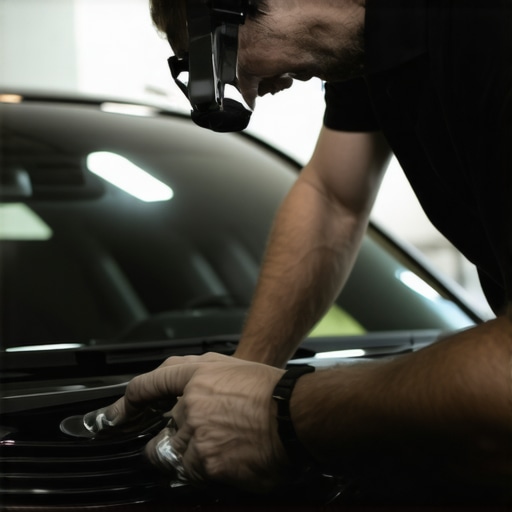
A true professional does not just ‘pop’ a window in. We look at the Frit (the black ceramic paint around the edges) to ensure it provides the proper UV protection for the urethane. We check the Pinchweld for any signs of corrosion that could compromise the seal. We ensure the Cowl is reinstalled without blocking the Weep Hole systems that prevent water from backing up into the cabin. If your installer is not talking about the Sill Pan equivalent in automotive glass or the curing time of the high-modulus urethane, they are just a ‘glass swapper,’ not a glazier. You want someone who understands that the Sash or frame of the car is a dynamic environment that twists and turns as you drive.
Conclusion: Don’t Buy the Hype, Buy the Numbers
When you are looking for a glass installer, stop asking how fast they can get to you. Start asking about their calibration equipment and the refractive tolerances of their glass. A same-day service that leaves you with a blind safety system is a net loss. The real reason your car cameras fail is that the industry has prioritized the ‘caulk-and-walk’ mentality over the rigorous standards of optical science. Your windshield is not just a piece of glass; it is a high-tech filter for the brain of your car. Treat it with the technical respect it deserves, or you will find yourself back in my shop, paying me to fix what the ‘speedy’ guy broke. Water management and optical clarity are sciences, not just services.