The secret to making a chip repair nearly invisible
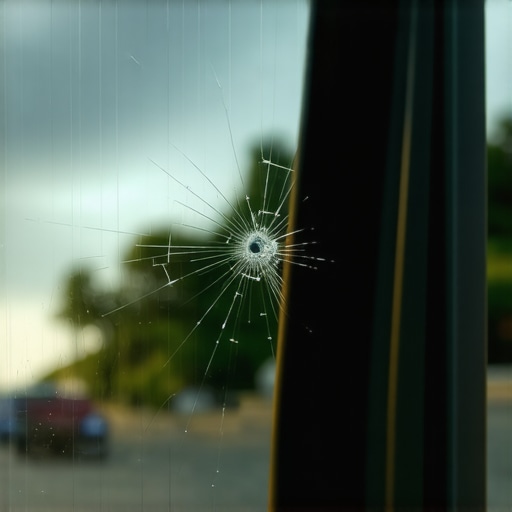
I have spent over twenty-five years staring through glass. Not just looking at it, but analyzing its molecular structure, its stress points, and the way it reacts to the brutal thermal cycles of our northern climate. When you have handled as many lites of glass as I have, you stop seeing a window as a static object and start seeing it as a dynamic barrier against the elements. Most people see a small chip in their glass and think it is a simple cosmetic blemish. They are wrong. That chip is a structural failure in progress, a breach in the integrity of the glazing that requires more than a dab of glue to fix. It requires a deep understanding of the refractive index and the mechanical pressure of the vacuum-injection process. As a master glass installer, I have seen every hack job in the book, from people trying to use clear nail polish to the ‘caulk and walk’ crews who think a bit of silicone solves everything. A true chip repair is an act of engineering.
The condensation crisis a narrative of moisture and failure
A few years ago, during a particularly brutal January here in the north, a homeowner called me in a panic because their glass was ‘sweating’ around a small impact point. I arrived with my hygrometer and a high-powered loupe. I showed them that the humidity in the room was sitting at sixty percent, and that moisture was being pulled into the microscopic fissures of the chip through capillary action. It was not just the glass failing; it was their indoor environment attacking the structural weak point of the pane. If I had simply filled that chip without first dehydrating the break, the trapped moisture would have expanded the next time the temperature dropped below freezing, turning a small bullseye into a massive crack that would have bypassed the glazing bead and compromised the entire sash. This is why a mobile service must be equipped with more than just resin; it needs the tools to manage the micro-climate within the glass itself. When you call a glass installer for a same-day repair, you are paying for the elimination of that moisture before the bond is even attempted.
“Installation is just as critical as the window performance itself. A high-performance window installed poorly will fail.” AAMA Installation Masters Guide
The physics of the invisible repair
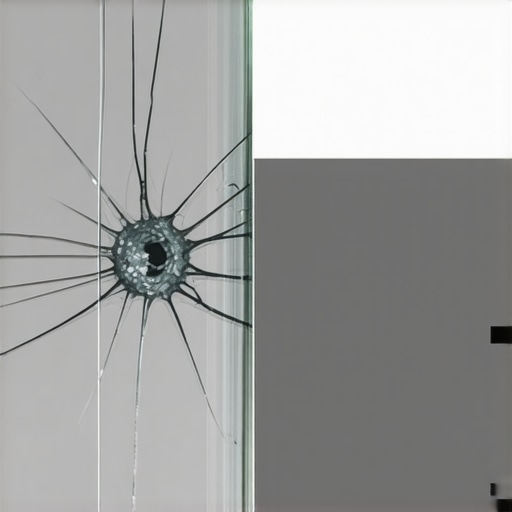
To make a repair nearly invisible, we have to talk about the refractive index. Glass has a refractive index of approximately 1.52. If you fill a chip with a resin that has a refractive index of 1.48 or 1.55, the light will bend differently as it passes through the repair, making it stand out like a sore thumb. A master glass installer selects a resin that matches the specific lite they are working on. This is what we call ‘Glazing Zooming.’ We are looking at the way long-wave infrared radiation and visible light interact with the repair site. In a cold climate, the U-Factor of the glass is king. We are concerned with heat loss and the prevention of condensation. A chip effectively creates a cold bridge. By injecting a high-quality resin under a vacuum, we remove the air—which has a very low refractive index of 1.00—and replace it with a material that mimics the optical properties of the soda-lime glass. This is why the chip repair becomes invisible; the light no longer sees an obstacle to bounce off of.
Thermal dynamics and the northern enemy
In our northern environment, the enemy is the constant expansion and contraction. We deal with the ‘Dew Point’ every single morning. When the temperature on Surface #3 of your glass reflects heat back inside, the outer layer is still battling the sub-zero air. This creates immense thermal stress. If a chip is present, the stresses are concentrated at the tip of the fracture. A same-day mobile service is critical because every hour that chip exists is an hour it is exposed to these thermal cycles. Our goal is to stabilize the rough opening of the break. Unlike a muntin or a shim which provides mechanical support to a frame, the resin provides chemical support to the glass. We utilize warm-edge spacers in modern units to prevent condensation at the perimeter, but a chip in the center of the lite bypasses all those protections. The repair must be able to withstand the same positive and negative wind pressures that the original glass was rated for under ASTM standards.
“The durability of a repaired glazing unit depends entirely on the exclusion of environmental contaminants from the bond line.” NFRC Performance Manual
The anatomy of a proper repair autopsy
When I perform what I call a ‘Repair Autopsy’ on a failed DIY attempt, I usually find that the weep hole of the window frame was clogged, or the sill pan was improperly installed, leading to excess moisture that contaminated the chip repair site. A professional glass installer understands that the glass is part of a larger system. Is the window operable? Does the movement of the sash create vibration that will destabilize the resin before it cures? We use UV curing lamps at specific wavelengths, usually around 365 nanometers, to ensure the resin cross-links perfectly with the glass molecules. This is not a simple ‘fill.’ It is a molecular bond. We don’t just look at the surface; we look at the flashing tape and the overall integrity of the rough opening to ensure that the glass isn’t under undue pressure from a house that is settling. If the frame is pinching the glass, no repair will ever stay invisible because the glass will continue to flex and pull away from the resin.
Why mobile service requires more than just a van
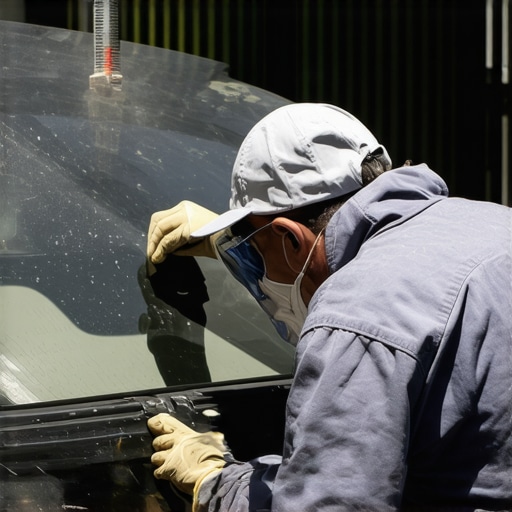
The mobile service model is often misunderstood. It is not just about convenience; it is about controlled environments. My van is a laboratory on wheels. When we arrive for a same-day chip repair, we are bringing a controlled curing environment to your driveway. We manage the temperature of the glass using heat shields or cooling fans to ensure it is within the ‘Goldilocks’ zone for resin injection. If the glass is too hot, the resin becomes too thin and may not fill the microscopic fissures. If it is too cold, the resin becomes viscous and traps air bubbles. A master glass installer knows that the secret to an invisible repair is patience and the precise application of pressure. We are essentially performing a micro-surgical procedure on your window. By the time we are done, the structural integrity is restored, and the cosmetic flaw is gone, ensuring your home remains energy efficient and your view remains unobstructed. Don’t trust your glazing to someone who doesn’t understand the difference between U-Factor and SHGC. Trust the expert who knows that every milliliter of resin counts.