The 15-minute fix for a stuck power button
The Frustration of the Unresponsive Interface
Homeowners today often mistake complex structural failures for simple electronic glitches. I recently visited a property where the client complained about what they called the 15-minute fix for a stuck power button on their motorized skylight. They expected a battery swap or a reset code. What they actually had was a structural deflection in the rough opening that was pinching the frame, causing the operable sash to bind. This is the reality of modern glazing; what looks like a digital error is often a physical failure of physics and installation. As a master glazier with a quarter-century in the field, I have seen how the intersection of technology and glass requires more than just a mobile service technician; it requires a forensic understanding of the building envelope.
The Condensation Crisis: A Narrative of Humidity and Heat
A homeowner called me in a panic because their new windows were ‘sweating.’ I walked in with my hygrometer and showed them the humidity was 60%. It wasn’t the windows; it was their lifestyle. They had recently installed a ventless gas fireplace and were drying laundry indoors during a cold snap in early February. In a northern climate like ours, where the U-factor is the primary metric of success, people forget that glass is a thermal bridge. I had to explain that while their triple-pane units were performing perfectly, the interior air was saturated beyond the dew point. When that warm, moist air hits the glazing bead on a cold night, physics takes over. It is not a manufacturing defect; it is a failure to manage the internal environment. This is why we emphasize the importance of warm-edge spacers and proper ventilation over just buying the highest-rated glass on the market.
“Installation is just as critical as the window performance itself. A high-performance window installed poorly will fail.” – AAMA Installation Masters Guide
The Science of Same-Day Chip Repair
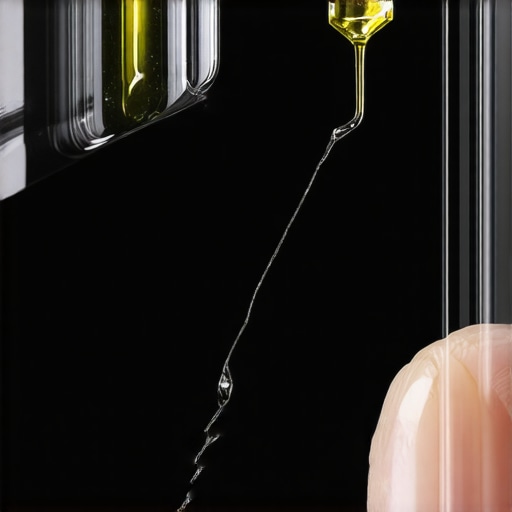
When we talk about chip repair, we aren’t just talking about filling a hole with glue. A glass installer providing same-day mobile service is performing a structural intervention. An Insulated Glass Unit (IGU) relies on a hermetic seal. When a stone or debris causes a chip in the outer lite, it creates a stress concentrator. In cold climates, the expansion and contraction of the glass during a diurnal cycle can turn a minor chip into a full-blown crack in hours. We use high-viscosity UV-curing resins that have a refractive index nearly identical to soda-lime glass. This resin is injected into the shim-leveled glass under pressure to displace air and moisture. If you wait, that chip becomes a conduit for moisture to reach the spacer, eventually desiccating the internal environment and leading to seal failure. A 15-minute repair now prevents a full-frame replacement later.
Thermal Dynamics in Northern Latitudes
In cold regions, the enemy is heat loss and the resulting condensation. We focus on U-Factor, which measures the rate of non-solar heat loss. The lower the number, the better the insulation. To combat the biting winters, we utilize Low-E coatings on Surface #3. This placement is strategic: it reflects the long-wave infrared radiation (your furnace heat) back into the room rather than allowing it to escape through the sash. Furthermore, we move away from standard aluminum spacers. Aluminum is a massive thermal conductor; instead, we use composite or stainless steel spacers to break the thermal bridge at the edge of the glass. This raises the temperature of the glass near the muntin bars, significantly reducing the likelihood of condensation forming even when the exterior temperature drops to sub-zero levels.
“Standard practice for installation of exterior windows, doors, and skylights must account for the specific environmental loads of the local climate zone to ensure long-term durability.” – ASTM E2112
The Installation Autopsy: Why Frames Fail
I have performed countless autopsies on failed window systems. Often, the issue isn’t the glass but the flashing tape and the sill pan. A “caulk-and-walk” installer will simply pump a bead of silicone around the perimeter and call it a day. That is a recipe for rot. A proper installation follows the shingle principle: every layer of the water management system must overlap the layer below it. We install a rigid sill pan with an integrated back dam. This ensures that any water that bypasses the primary seal is directed back out through the weep hole. If the rough opening isn’t properly prepared with a liquid-applied flashing or a high-quality butyl tape, moisture will find the shim points and travel into the wall cavity, leading to black mold and structural rot that the homeowner won’t see for five years.
The Math of Modern Glazing
Don’t be fooled by high-pressure sales tactics regarding R-values. The ROI on window replacement for energy savings alone can be decades. The real value is in occupant comfort and the preservation of the building’s structural integrity. When we perform a mobile service for a chip repair or a glass installer task, we are looking at the glazing bead, the integrity of the sash, and the performance of the weatherstripping. A window is a system, not a product. Whether it is a manual double-hung or a high-tech motorized unit where you are looking for a fix for a stuck power button, the fundamentals of air and water management remain the same. Buy the numbers—U-factor, SHGC, and Visible Transmittance—but invest in the installer. “