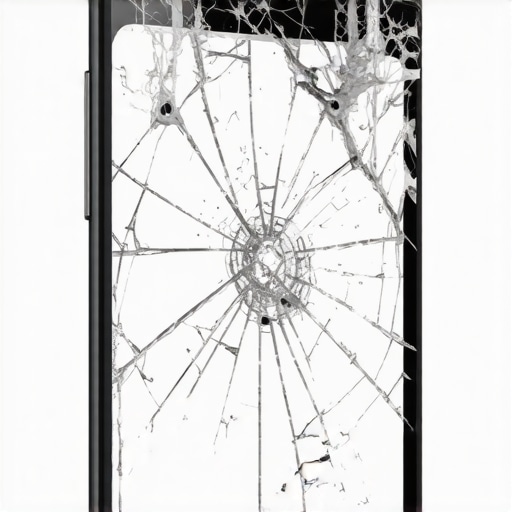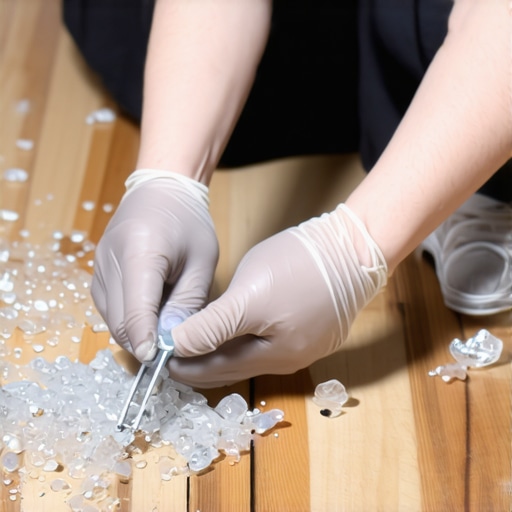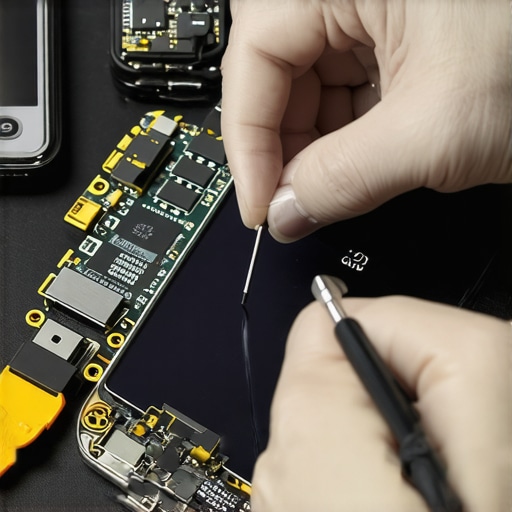
The danger of breathing in glass dust from a cracked screen
The Microscopic Threat of Structural Glass Failure
When a residential window or a glass screen sustains a fracture, the immediate concern is usually the jagged edges that can cause lacerations. However, as a master glazier with a quarter-century in the field, I look at the failure differently. A crack is not just a line in the glass; it is an active source of amorphous silica particulates. Every time that window vibrates from a passing truck or the wind rattles the sash, those microscopic shards are released into your living environment. We are talking about particles often smaller than 5 microns, which is the threshold where the body’s natural filtration systems fail to protect the lungs.
The Homeowner Condensation and Dust Crisis
A homeowner called me in a panic because their new windows were ‘sweating’ and their children were experiencing persistent respiratory irritation. I walked in with my hygrometer and a high-intensity particulate light. I showed them the humidity was 60 percent, but more importantly, I showed them the dust cloud swirling around a seemingly ‘minor’ crack in the lower sash of their kitchen window. It was not a simple window issue; it was a health hazard they were exacerbating by trying to wipe away the condensation with dry cloths, which only served to stir the glass dust into the air. The previous installer had ignored the rough opening tolerances, leading to a stress crack that was now shedding silica into their breakfast nook.
“Installation is just as critical as the window performance itself. A high-performance window installed poorly will fail.” – AAMA Installation Masters Guide
The Science of Amorphous Silica and Lung Health
Glass is essentially cooled liquid sand, primarily composed of silicon dioxide. In its solid state, it is inert and safe. Once the molecular bond is broken via a crack, the material becomes friable at the edges. Unlike wood dust or household dander, glass shards are non-absorbent and possess a high Mohs hardness rating. When these shards reach the alveolar sacs in the lungs, they do not dissolve. The body attempts to encapsulate them, leading to localized inflammation. This is why a mobile service glass installer does not just show up with a piece of glass; they show up with HEPA-rated extraction equipment to ensure that the environment remains sterile during the chip repair or full replacement process.
The Thermal Failure of Cracked Glazing
In our northern climate, we battle heat loss and condensation daily. A crack in a dual-pane or triple-pane unit is a total system failure. Most modern windows use a gas fill, typically Argon or Krypton, between the panes to improve the U-Factor. The moment the glass is compromised, that gas escapes and is replaced by moisture-laden air. This ruins the insulation value of the unit. The U-Factor, which measures the rate of non-solar heat loss, skyrockets. You might as well have a hole in your wall. This thermal bridge leads to cold spots on the glass surface, which causes water to drop out of the air. This condensation then runs down into the glazing bead and can eventually rot the interior wood of the sash if not addressed by a professional glass installer.
The Mechanics of Mobile Service and Chip Repair
When you call for a same-day mobile service, the technician is not just performing a cosmetic fix. For a chip repair, we use a clear, structural resin with a refractive index that matches the glass. This resin is injected under pressure to fill the voids and prevent the further release of glass dust. However, if the crack has migrated across the surface, a full replacement is the only path to safety. We must carefully remove the glazing bead, pull the compromised unit, and inspect the sill pan for any hidden moisture. A proper installation requires that the new unit sits perfectly on its shims to ensure even weight distribution and to prevent the very stress cracks that started the problem.
“Proper flashing and sealing are the only defense against moisture intrusion and structural degradation in fenestration systems.” – ASTM E2112 Standard Practice
Why Same-Day Professional Intervention Matters
Waiting to fix a cracked screen or window is a gamble with your indoor air quality. The constant expansion and contraction of the frame due to diurnal temperature swings act like a bellows, pumping glass dust into your home. A professional glass installer understands that the rough opening must be properly prepared with flashing tape and that the weep holes must remain unobstructed to allow the window to breathe without leaking. We do not just caulk the crack and walk away. We evaluate the entire opening to ensure that the new glass will remain stable for another thirty years. The focus must always be on the science of the seal and the integrity of the glass surface. Do not attempt to vacuum glass dust with a standard household vacuum; you will only atomize the particles further. Contact a mobile service that uses industrial-grade filtration to ensure your home remains a safe haven rather than a collection point for microscopic hazards.