Why your phone screen looks yellow after a cheap repair
The Frustrating Hue of a Budget Screen Replacement
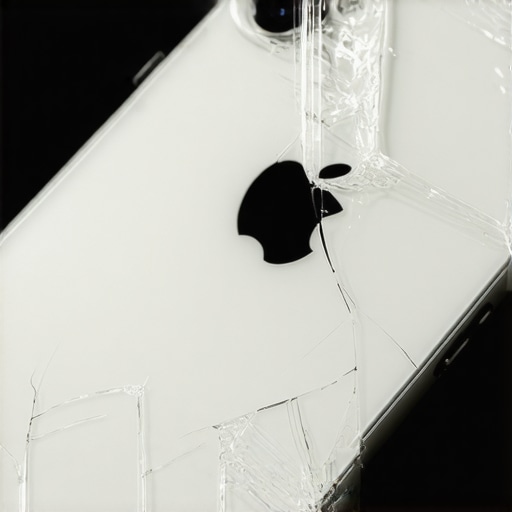
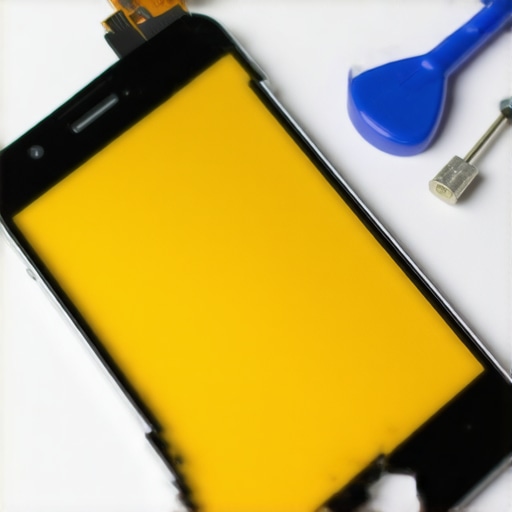
You spent a premium on a device known for its liquid retina display or high-definition OLED. One drop, a spiderweb of cracks, and a quick trip to a strip-mall glass installer later, you realize something is fundamentally wrong. The crisp whites you once enjoyed have been replaced by a sickly, jaundiced yellow tint. As a master glazier with a quarter-century in the field, I see this same phenomenon in residential windows when homeowners opt for bottom-barrel glass. It is not a software glitch, and it is not your imagination. It is a failure of material science and optical engineering.
The Narrative: A Lesson in Calibration
I recall a client who called me in a panic because their new architectural windows were ‘sweating’ and looked foggy compared to their neighbors. I walked into the room with my high-end hygrometer and a spectrophotometer. I showed them that the humidity in the room was 65 percent, far above the dew point for that specific glass assembly. It was not a window defect; it was an environmental mismatch. Similarly, I once saw a technician performing a mobile service on a smartphone. He was using a generic OCA (Optically Clear Adhesive) that had no UV inhibitors. I told the owner right then: ‘Within three months, that screen will look like an old newspaper.’ He did not listen. Three months later, he was back, complaining about the yellowing. It was not the phone; it was the installer’s lack of understanding of light transmission.
“Installation is just as critical as the window performance itself. A high-performance window installed poorly will fail.” – AAMA Installation Masters Guide
The Physics of Visible Transmittance and the Yellow Shift
In the glazing world, we talk about Visible Transmittance (VT). This is the amount of light in the visible spectrum that passes through the glazing. When a screen looks yellow, the VT is being skewed because the glass or the adhesive is absorbing blue light and reflecting or transmitting more of the red and green spectrum. Cheap glass installer shops often use aftermarket assemblies where the glass is not high-ion-exchange aluminosilicate. Instead, it is basic soda-lime glass with poor purity levels. This glass has an inherent green or yellow cast because of iron oxide impurities. When you combine this with a cheap mobile service that uses ‘same-day’ curing methods, you are asking for optical degradation. Proper chip repair or full glass replacement requires materials that match the refractive index of the original substrate. If the index of refraction between the glass and the digitizer does not match, you get internal reflections that muddy the color. This is the same reason a cheap storm window makes your backyard look like a hazy afternoon even when it is high noon.
The Role of Low-E and UV Degradation
In hot climates, we use Low-E coatings on Surface #2 to reflect heat back outside. While your phone does not have a Low-E coating in the traditional sense, the adhesive layers act as a thermal and UV barrier. Generic adhesives used in a rushed chip repair are highly susceptible to UV degradation. When these polymers are exposed to the sun, the molecular chains break down, a process called photo-oxidation. This is what creates that yellow hue. High-quality glass installer professionals use UV-stabilized resins that maintain clarity for the life of the device. If you are in a high-sun environment like Phoenix or Miami, this degradation happens even faster. You are essentially watching the adhesive ‘cook’ behind the glass. This is why a same-day repair often fails the long-term quality test.
“The selection of the right glass and sealant system is paramount to the longevity of the fenestration assembly.” – ASTM E2112 Standard Practice
Material Science: Why the Rough Opening Matters
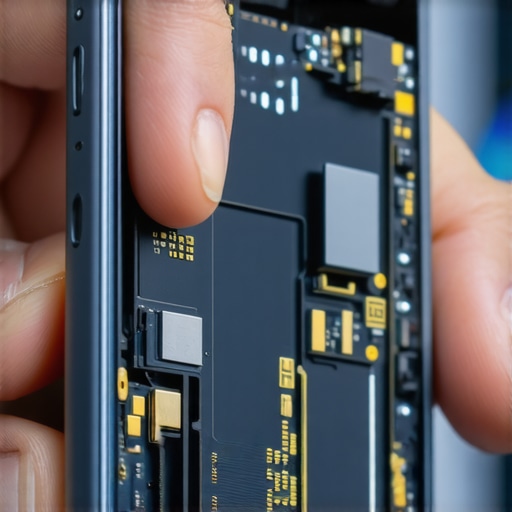
In window installation, the Rough Opening must be perfectly square and plumb. If it is off, the sash will not sit right, and the glazing bead will eventually pop. In phone repair, the ‘rough opening’ is the frame of your device. A cheap installer might not clean the frame perfectly, leaving old adhesive or glass shards. This creates pressure points. These pressure points do not just cause cracks; they cause ‘mura’ or yellow spotting on the LCD or OLED panel. When the tech pushes the screen into place without using a proper shim or alignment tool, they are compromising the internal layers. A true glazier knows that water management and pressure distribution are the two pillars of glass longevity. Whether it is a 40-story curtain wall or a 6-inch screen, the principles of glass stress remain the same. A weep hole on a window allows water to escape; a properly vented and sealed phone screen prevents the accumulation of gases that can yellow the display over time.
The ROI of Quality: Beyond the Price Tag
Many consumers are lured by the ‘same-day’ promise of mobile service providers. However, the math of a cheap repair is deceptive. If you pay 80 dollars for a repair that yellows and loses touch sensitivity in six months, your annual cost is 160 dollars. If you pay 150 dollars for a high-quality glass replacement that lasts three years, you are saving money and your eyesight. We see this in the window industry constantly. A ‘Tin Man’ salesman will push a product with a high U-factor and poor SHGC (Solar Heat Gain Coefficient), and the homeowner wonders why their AC bill is still through the roof. Do not buy the hype of the lowest price. Buy the numbers. Look for installers who understand the Color Rendering Index (CRI) of the glass they are putting in your hand. If they cannot talk about the purity of the glass or the UV rating of their adhesive, they are just ‘caulk-and-walk’ technicians with a smaller toolkit. You deserve a display that reflects reality, not a distorted, yellowed version of it.