Why your cheap charger is ruining your battery life
The High Cost of the Low-Price Shortcut: Why Your Glass Integrity Depends on Professional Installation
In the world of high-performance fenestration and glass restoration, we often use analogies to help homeowners understand the invisible physics at play. If you think of your home’s structural integrity or your vehicle’s safety cage as a battery, then the mobile service you hire is the charger. Just as a counterfeit power brick sends erratic voltage through delicate cells, a low-quality mobile service for glass repair or installation creates a cascade of failure that most people do not see until the damage is irreversible. As a Master Glazier with over a quarter-century in the trenches, I have seen the ‘caulk-and-walk’ crews leave behind a trail of destruction that no amount of cosmetic buffing can fix.
A homeowner called me in a panic because their new windows were ‘sweating’ and they were convinced the glass units had failed within months of installation. I walked in with my hygrometer and showed them the humidity was 60 percent. It was not a failure of the glass itself, but a failure of the installation ecosystem. The previous glass installer had ignored the fundamental relationship between the rough opening and the interior environment. They had essentially installed a high-performance ‘battery’ but used a ‘cheap charger’—in this case, poor ventilation management and a lack of understanding regarding the dew point. The windows were performing exactly as they should by being the coldest surface in the room, but the lack of a proper thermal break in the frame meant the condensation was rotting the sash from the inside out.
“Installation is just as critical as the window performance itself. A high-performance window installed poorly will fail.” – AAMA Installation Masters Guide
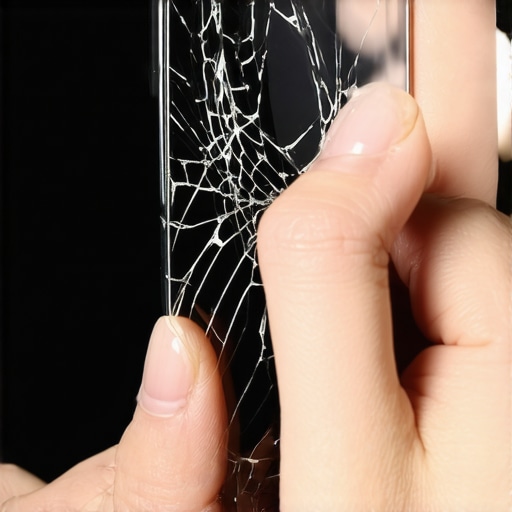
When we talk about a chip repair or a full glass replacement, we are dealing with molecular-level bonding. In a same-day service scenario, the temptation to rush the curing process is the primary cause of long-term failure. To understand why, we must perform a ‘Glazing Zoom’ into the material science. Glass is an amorphous solid that expands and contracts significantly based on the Solar Heat Gain Coefficient (SHGC). In a hot climate like Texas or Florida, the sun’s radiant energy hits the glass surface, and the Low-E coating, typically placed on Surface #2 to reflect heat outward, creates a massive thermal gradient across the lite. If your glass installer uses a low-grade resin for a chip repair, that resin’s coefficient of thermal expansion will not match the glass. As the sun beats down, the resin expands faster than the surrounding silicate, effectively acting as a wedge that drives the crack deeper into the laminate. It is the exact equivalent of overcharging a battery until it swells and bursts.
The Anatomy of a Failed Installation: The ‘Sill Pan’ and ‘Flashing Tape’ Realities
Proper water management is not about keeping water out; it is about knowing where the water will go when it inevitably gets in. A professional glass installer knows that the sill pan is the most critical component of the rough opening. Most discount installers skip the sill pan entirely, relying instead on a bead of cheap sealant. This is a fatal error. Water follows the ‘Shingle Principle,’ flowing downward and outward. Without a sloped sill pan and integrated flashing tape, water that bypasses the glazing bead or the muntin tracks will sit on the wood or steel framing. Within three years, you have structural rot that can cost ten times the original price of the window to repair.
Furthermore, we have to discuss the weep hole. In many same-day rush jobs, I see installers who accidentally caulk over the weep holes in the bottom of the frame. These holes are designed to allow pressure equalization and moisture drainage. When you plug them, you create a pressurized chamber that forces water into the wall cavity. It is the technical equivalent of a short circuit. The energy efficiency of the window—the U-Factor—drops through the floor as the operable parts of the window become saturated and heavy. You are no longer managing heat; you are managing a slow-motion flood.
The Physics of SHGC and Thermal Stress
In southern climates, the enemy is infrared radiation. A high-quality window is designed to block this heat while admitting visible light. This is measured by the SHGC. However, when a chip repair is performed poorly, the optical clarity is not the only thing at stake. The repair point becomes a ‘hot spot.’ Because the cheap resin absorbs more heat than the glass, it creates a localized area of high thermal stress. I have seen windshields and residential picture windows snap in a perfect line right through a year-old repair because the mobile service technician did not account for the refractive index and thermal absorption of their materials. They provided a ‘charge’ that the ‘battery’ could not handle.
“The window assembly must be treated as a component of the building envelope, requiring a continuous air and water barrier transition from the window frame to the wall.” – ASTM E2112 Standard Practice
When you hire a glass installer, you are paying for their knowledge of shims and tolerances. A window must be perfectly level, plumb, and square within 1/16th of an inch. If the frame is twisted even slightly during a same-day installation, the weatherstripping will not engage. This creates air bypass, which is the ‘vampire drain’ of your home’s energy battery. You can have the most expensive triple-pane glass in the world, but if the installer did not shim the rough opening correctly to allow for the natural expansion of the building’s header, the glass will eventually crack under the load. This is why we insist on a full-frame autopsy before any replacement. We look for signs of previous moisture, we check the integrity of the glazing bead, and we ensure the operable sashes move without friction.
Why Mobile Service Doesn’t Mean ‘Discount’ Service
There is a misconception that mobile service is inherently inferior to a shop-based installation. This is only true if the technician lacks the tools to control the environment. A master glazier performing a chip repair on-site will use UV shields to control the curing rate of the resin and vacuum pressure pumps to ensure no air remains in the fracture. The ‘cheap’ version of this service involves a syringe and a prayer. The result is a repair that yellows, shrinks, and eventually fails, leaving the glass more vulnerable than it was before. It is the ‘cheap charger’ that ruins the longevity of your glass assets.
In conclusion, whether you are looking at a muntin-divided wood window or a modern storefront lite, the quality of the installation dictates the lifespan of the product. Do not be seduced by the lowest bid or the fastest turnaround. A window is a complex thermal regulator, a structural component, and a safety barrier. Treat it with the technical respect it deserves, or be prepared to replace it far sooner than the manufacturer’s warranty suggests.