Why your mobile tech uses blue tape on your windshield
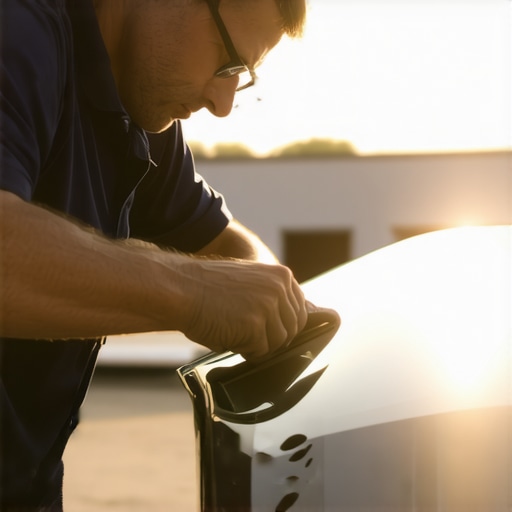
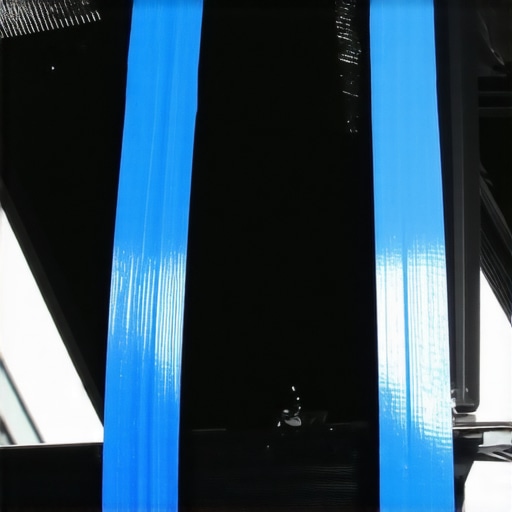
In the world of high-performance glazing, there is a massive difference between a glass installer who simply fills a hole and a specialist who understands the structural engineering of an aperture. I have spent over 25 years in the field, managing everything from commercial curtain walls to high-end residential sash replacements, and I can tell you that the principles of water management and thermal dynamics do not change just because the glass is on wheels. When you see a mobile service technician applying strips of blue painters tape to the top of a freshly installed windshield, you are not looking at a decorative choice or a sign of a weak adhesive. You are looking at a calculated engineering safeguard designed to manage the ‘green strength’ of the bond while the chemical cross-linking of the urethane takes place.
The Condensation Crisis and the Chemistry of Cure
A homeowner called me in a panic because their new windows were ‘sweating.’ I walked in with my hygrometer and showed them the humidity was 60%. It wasn’t the windows; it was their lifestyle. I often see this same misunderstanding in the mobile glass industry. A customer sees moisture or a slight shift in their windshield and assumes the product is defective. In reality, it is often a failure to account for the ambient dew point and humidity during the installation. For a mobile service to succeed, the glass installer must play the role of a chemist. The high-viscosity urethane used in modern chip repair and full replacements is moisture-cured. This means it literally pulls water from the air to harden. If the humidity is too low, the cure slows down; if it is too high, it can flash-cure, creating bubbles in the bead. The blue tape is there to maintain the registration of the glass within the rough opening of the vehicle’s frame during this volatile period.
“Installation is just as critical as the window performance itself. A high-performance window installed poorly will fail.” – AAMA Installation Masters Guide
The Anatomy of the Rough Opening
When we talk about a window in a house, we focus on the rough opening tolerances. In a car, the pinch weld serves as that rough opening. This is the narrow ledge where the glass must sit perfectly. To ensure the glass does not slide down even a fraction of a millimeter due to gravity, we use gravity-fed shims at the cowl. However, those shims only prevent downward movement. They do not prevent the glass from ‘bridging’ or lifting away from the pinch weld. This is where the blue tape comes in. It provides a temporary mechanical hold, pulling the glass tight against the urethane bead to ensure a 100% seal. Without this tension, a phenomenon known as ‘wind whistle’ occurs, where air gaps smaller than a human hair allow high-pressure wind to penetrate the cabin, much like a poorly fitted sash in a drafty bedroom. This is why a same-day service requires such precision; the vehicle must be safe to drive within hours, meaning the urethane must achieve its FMVSS (Federal Motor Vehicle Safety Standard) rating quickly.
Solar Heat Gain and Thermal Stress
In hot climates like Phoenix or Texas, the enemy is Solar Heat Gain Coefficient (SHGC). A windshield is effectively a massive, slanted piece of architectural glass that absorbs incredible amounts of radiant heat. This heat expands the glass at a different rate than the steel frame. If the mobile service tech does not account for this thermal expansion, the stress can crack the new glass before the customer even gets home. The blue tape allows for a tiny amount of flexibility while the adhesive is in its ‘plastic’ phase. Think of it like the glazing bead in a traditional window; it holds the glass in place but allows for the natural movement of the building—or in this case, the vehicle. The frit (the black dotted pattern around the edge) also plays a role here, absorbing heat to ensure the temperature gradient between the clear glass and the adhesive isn’t so sharp that it causes a stress fracture.
The Physics of Pressure: Why You Crack a Window
You might notice your tech cracks the side glass—the operable part of your door—before they leave. This is not for ventilation. It is to prevent the ‘pressure spike’ from blowing out the fresh urethane bead. When you slam a car door, the air pressure inside the cabin spikes. If the windows are all closed tight, that pressure needs a way out. The weakest point is the fresh, wet urethane around your new windshield. If that pressure pushes the glass out by even a fraction of an inch, you have a permanent leak. The blue tape acts as a secondary reinforcement against this pressure, but the open window is the primary relief valve. It is the same logic we use when installing a large storefront window; you never fully seal the interior glazing bead until the exterior pressure-treated shims are set, allowing the system to equalize.
“Proper substrate preparation and the management of joint movement are essential for the longevity of any fenestration system.” – ASTM E2112 Standard Practice
Water Management and the Scuttle
In my 25 years, I have seen more rot caused by failed sill pans than anything else. In a car, the area at the bottom of the windshield is the cowl or scuttle. This is your sill pan. It is designed to catch water and divert it through weep holes in the fender. If a mobile tech is sloppy with the urethane, they can block these drainage paths. When you see the tech carefully taping the moldings (the glazing bead equivalent) and the glass, they are ensuring that the adhesive stays exactly where it belongs, leaving the water management system clear. A ‘caulk-and-walk’ installer will just glob the material in, but a master glazier knows that water always finds a way. If the scuttle is blocked, that water will eventually find its way into your floorboards, leading to the same black mold issues you’d find in a house with a failed window flashing system.
The ROI of Precision
Many people think a chip repair or a mobile service is just about convenience. But when you look at the technical requirements—managing the dew point, ensuring the rough opening is primed correctly, and using retention tape to counteract gravitational shear—it becomes clear that this is a specialized trade. The blue tape is a symbol of a technician who respects the cure cycle. They are not just sticking glass to a car; they are managing a structural bond that is vital to the roof-crush integrity of the vehicle. When the tape comes off 24 hours later, the ‘green strength’ has transitioned into a permanent, structural bond that can withstand the positive and negative wind pressures of highway speeds. Don’t buy the hype of a ‘ten-minute’ install; buy the science of a proper cure. The installer always matters more than the sticker on the glass. By the time you peel that tape off, the chemistry has done its job, and your hole in the wall is once again a managed, safe, and dry environment.