The simple way to keep your glass from shattering after a chip
The Anatomy of a Fractured Pane: Why Your Small Chip Is a Ticking Time Bomb
It starts with a sound like a pistol shot. You are driving down the highway or standing in your living room when a stray pebble or a piece of debris strikes the glass. Initially, you might see nothing more than a tiny ‘bullseye’ or a ‘star break.’ Most people ignore it, thinking it is merely cosmetic. After twenty-five years in the glazing industry, I can tell you that ignoring a chip is the fastest way to turn a fifty dollar repair into a thousand dollar replacement. When a chip occurs, the structural integrity of the glass is compromised at a molecular level. Glass is a supercooled liquid that exists in a state of high tension. When you disrupt that surface tension with a chip, you create a stress concentration point where thermal expansion and mechanical vibration can easily initiate a run.
The Condensation Crisis and Thermal Stress
I recall a specific incident in early February when a homeowner called me in a panic because their large picture window had seemingly exploded for no reason. I walked in with my hygrometer and noticed the internal humidity was sitting at a staggering 62 percent while the outside air was a biting ten degrees. Upon closer inspection of the shards, I found the culprit: a tiny, weathered chip at the edge of the glazing bead. The homeowner had been running a humidifier to combat the dry winter air. The moisture had seeped into the chip, and when the temperature dropped at night, that moisture froze and expanded. It was not a mystery; it was basic physics. The ‘sweating’ glass was not the problem, but rather the catalyst that drove a wedge into the existing fracture. This is why immediate intervention is mandatory.
“Installation is just as critical as the window performance itself. A high-performance window installed poorly will fail.” AAMA Installation Masters Guide
The Physics of the Repair: Why Mobile Service Is Critical
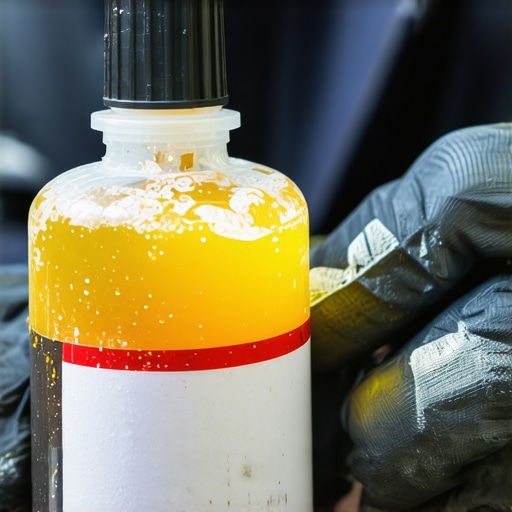
When we talk about chip repair, we are not just ‘filling a hole.’ We are performing a structural injection. A professional glass installer utilizes a mobile service to reach the vehicle or structure before the crack can propagate. The process involves cleaning the rough opening of the chip to remove microscopic glass shards and moisture. We then use a specialized bridge and injector to create a vacuum over the break. This vacuum pulls the air out of the fracture, allowing us to inject a high-tensile strength resin with a refractive index that matches the glass. This resin must be cured with specific UV wavelengths to ensure the bond is stronger than the original material. If you wait even twenty-four hours, dust and road oils can contaminate the break, making a clean repair impossible.
Climate Logic: The North/Cold Defense
In colder regions like Minneapolis or Chicago, the enemy is Heat Loss and the resulting thermal gradient. When you have a chip in your glass, the U-Factor of that specific area becomes irrelevant because the seal is effectively broken. In these climates, the glass on Surface #3 of a double-pane unit is trying to reflect heat back inside, while the exterior pane is fighting sub-zero temperatures. This creates a massive thermal bridge. A chip acts as the weak link where the glass will inevitably fail as the inner and outer panes expand at different rates. Using a same-day service to seal these chips prevents the argon or krypton gas fill from leaking out, which would otherwise ruin the insulating value of the entire unit.
The Installation Autopsy: Why Traditional Methods Fail
Most failed repairs I see are the result of DIY kits or ‘caulk-and-walk’ contractors who do not understand the shingle principle. They slap some clear adhesive over the chip and hope for the best. A proper repair requires checking the weep hole and the sill pan to ensure no moisture is being trapped against the glass edge. If moisture sits at the bottom of a sash, it can lead to edge rot or delamination of the laminated glass. When we perform a technical autopsy on a shattered pane, we often find that the initial chip was located near the muntin or the sash edge, where the glass is under the most pressure from the framing system.
“Standard practice for the installation of exterior windows, doors, and skylights must account for the management of moisture and the mitigation of stress-induced fractures.” ASTM E2112
The Technical Truth About DIY ‘Hacks’
You will hear people suggest using clear nail polish or superglue as a temporary fix. As a master glazier, I find this advice dangerous. These substances have a completely different coefficient of thermal expansion than glass. When the sun hits the window, the superglue expands faster than the glass, actually prying the crack open further. Furthermore, these DIY substances contaminate the site, preventing a professional resin from ever bonding properly. If you want to keep your glass from shattering, the only ‘simple’ way is to cover the chip with a small piece of clear packing tape to keep out debris and then immediately call a mobile service for a professional injection. This keeps the glass clean for the technician and prevents the refractive index from being ruined by environmental contaminants.
Understanding the Components: From Shims to Sill Pans
Every window is a complex system. Whether it is an operable casement or a fixed picture window, the glass is held in place by a glazing bead and supported by shims within the frame. If a chip occurs near a shim, the mechanical pressure from the house settling is focused directly onto that break. This is why ‘same-day’ repair is not just a marketing slogan; it is a structural necessity. If we catch the chip early, we can stabilize the pane before the pressure from the rough opening forces the crack to travel. We check the flashing tape and the drip cap during our inspection to ensure that the chip was not caused by a deeper installation failure that is putting undue stress on the glazing unit. Don’t buy into the marketing hype of miracle cures; look at the NFRC ratings and the technical specs of the resin being used. If the installer cannot explain the shear strength of their bonding agent, they should not be touching your glass.