How to spot moisture trapped inside your camera lens
The Science of the Interstitial Fog
As a master glazier with a quarter-century of experience handling everything from monolithic plate glass to high-performance vacuum-insulated units, I look at a camera lens and see a familiar architectural challenge: a hermetically sealed environment. When you see a fog or a haze inside your optics, you are witnessing a failure of moisture management. It is not just an aesthetic nuisance; it is a sign that the environmental integrity of the glass assembly has been compromised. In the glazing world, we deal with the dew point every single day. The dew point is the atmospheric temperature below which water droplets begin to condense and dew can form. In a perfect world, the air inside your lens or your dual-pane window is devoid of moisture, often replaced with dry nitrogen or argon. When that seal fails, the physics of vapor pressure take over.
The Condensation Crisis: A Diagnostic Tale
I recall a client who called me in a panic because their high-end glass installations were ‘sweating’ on the inside. I walked into the room with my hygrometer and found the ambient humidity was hovering at sixty percent. I had to explain to them that the glass wasn’t the failure; it was their indoor climate management. In the case of camera optics, the ‘sweating’ you see is often the result of taking a cold lens into a warm, humid environment. The internal air, if not perfectly dry, hits the dew point on the inner surface of the glass. This is the same reason a window sills rot when a homeowner ignores the early signs of condensation. If the moisture persists, you aren’t just looking at water; you are looking at potential fungal growth that can etch the glass permanently.
“Installation is just as critical as the window performance itself. A high-performance window installed poorly will fail.” AAMA Installation Masters Guide
How to Spot the Early Warnings
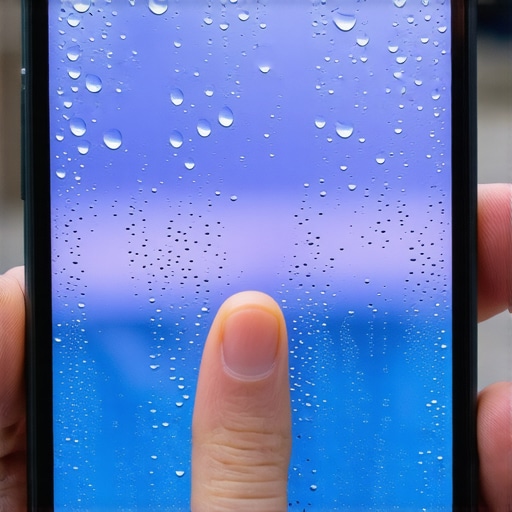
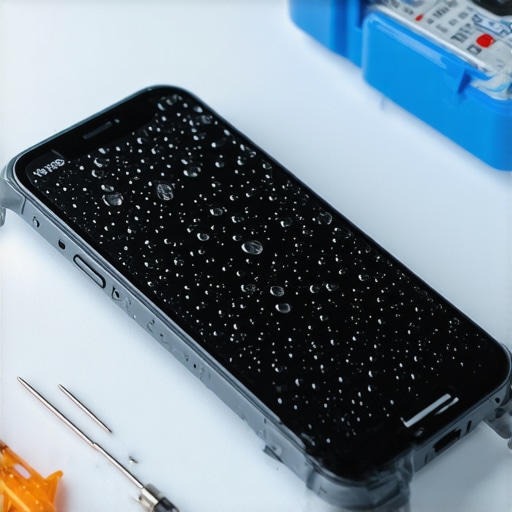
Spotting moisture in a lens requires more than a quick glance. You must perform what we call a ‘transillumination test’ in the glazing trade. Shine a high-intensity light through the element at an oblique angle. You are looking for several specific indicators of moisture ingress. First is the Micro-Droplet Cluster. These look like tiny, sparkling diamonds on the internal surface. These are distinct from dust because they will shift in size as the temperature changes. Second is the Haze or Bloom. This is a more dangerous sign. It indicates that the moisture has already begun to react with the coatings on the glass. In architectural glazing, we see this when Low-E coatings are exposed to oxygen and moisture because the primary seal has breached. Third is the Dendritic Growth. If the moisture has been there for a long time, it creates a spider-web pattern. This isn’t just water; it’s a living organism feeding on the lens elements.
The Physics of the Seal: Why It Fails
Every piece of glass is held in place by a Glazing Bead or a retaining ring. In the window world, we use a Sill Pan and Flashing Tape to ensure that any moisture that gets past the first line of defense is channeled back outside via a Weep Hole. A camera lens, however, is a closed system. It relies on tight tolerances in the Rough Opening of the lens barrel and precise O-rings. If you are in a cold climate like Chicago or Minneapolis, the U-Factor of your glass matters immensely. The U-Factor measures the rate of heat loss. When you move between extreme temperatures, the air inside the lens expands and contracts. This ‘breathing’ effect can suck moist air past aging seals. This is why we emphasize the importance of Shim placement and level frames in window installation; any stress on the glass housing will eventually lead to a seal breach.
“The thermal performance of a glazing system is dependent on the integrity of the spacer and the desiccant’s ability to maintain a low internal dew point.” NFRC Performance Standards
The Mobile Service and Same-Day Reality
When glass fails, whether it is a cracked windshield or a fogged IGU, the speed of repair is vital to prevent further damage. A mobile service or a professional glass installer can often provide a same-day assessment that prevents a minor issue from becoming a total loss. Just as a chip repair on a car window prevents a crack from spider-webbing across the entire Sash, catching moisture in a lens early can save the internal electronics. If you see internal moisture, do not wait. The moisture is currently under pressure, and as it evaporates and re-condenses, it carries minerals that will eventually pit the glass surface. Water management is a science, not a matter of luck. If you treat your high-end glass with the same respect we give to a Muntin-divided light in a historic restoration, it will last a lifetime.