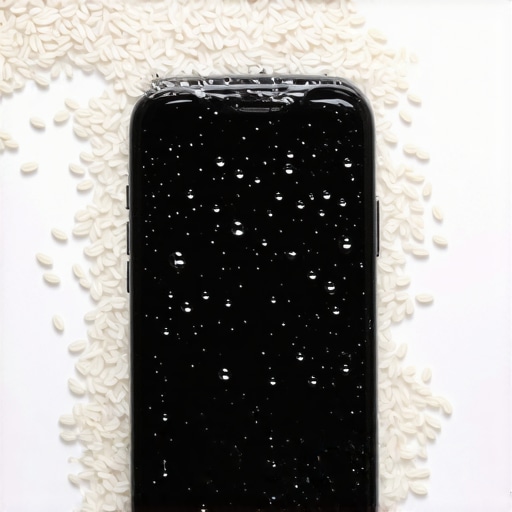
Why the rice trick is actually killing your wet device
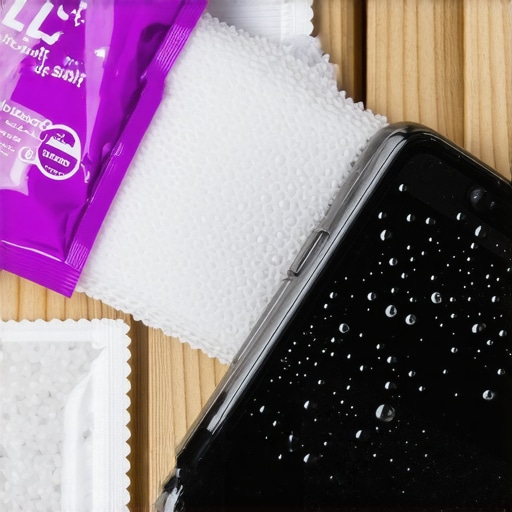
In my twenty-five years as a glass installer, I have seen every DIY disaster imaginable, but nothing makes me cringe quite like the ‘rice trick’ applied to a ‘wet device.’ Whether you are talking about a smartphone or, more critically in my world, a high-performance insulated glass unit (IGU) that has taken on moisture, the logic is the same: it is a fundamental misunderstanding of thermodynamics and material science. When a homeowner sees fog inside their window, they often treat it like a minor inconvenience, perhaps even trying to ‘dry it out’ with a hair dryer or silica packets. This is a fatal error for your glass. A window is an engineered device, a thermal barrier that manages the flow of heat and moisture between your living room and the harsh environment outside.
The Condensation Crisis: A Narrative Autopsy
A homeowner called me in a panic because their new windows were ‘sweating.’ I walked in with my hygrometer and showed them the humidity was 60%. It wasn’t the windows; it was their lifestyle. They were boiling pasta and taking hot showers without running the exhaust fans, and then wondering why their expensive new sash was covered in water. But more importantly, if that moisture gets into the wrong places, it is not just a surface issue; it is the beginning of the end for the glass unit itself. When people see moisture, they think absorption is the cure. They reach for the rice, thinking it will pull the water out. In the world of glazing, that delay in seeking a professional same-day glass installer is what allows rot to set in.
“Installation is just as critical as the window performance itself. A high-performance window installed poorly will fail.” AAMA Installation Masters Guide
The Physics of the Dew Point and Seal Failure
The anatomy of a modern window includes the sash, the glazing bead, and the operable components that allow for ventilation. When moisture enters the picture, we have to talk about the dew point. The dew point is the temperature at which air becomes saturated with water vapor. In a cold climate, the U-factor of your window determines how cold the interior surface of the glass gets. If your U-factor is high, that glass stays cold. When the warm, moist air of your home hits that cold surface, it reaches the dew point, and you get condensation. This is why we use Low-E coatings on Surface #3 in northern climates. It reflects the long-wave infrared radiation back into the house, keeping the glass warmer and the dew point further away. If you ignore this and try DIY ‘drying’ methods, you are ignoring the fact that the seal is likely breached. Once the primary seal of Polyisobutylene (PIB) or the secondary seal of silicone fails, the desiccant inside the spacer bar becomes saturated. At that point, the ‘device’ is dead.
Why Mobile Service and Professional Chip Repair Matter
If you are looking for a same-day glass installer or mobile service to fix a chip repair or a foggy unit, you need to understand the ‘Shingle Principle.’ This is the cornerstone of water management: water must always flow down and out. This is why a proper sill pan is non-negotiable. A sill pan is a flashing component that sits at the bottom of the rough opening. If water manages to get past the exterior glazing bead, it lands in the sill pan and is directed out through weep holes. If your installer ‘caulked-and-walked’ without ensuring the weep holes were clear, that water is trapped. It will rot your rough opening and eventually cause the seal of your IGU to fail. A mobile service for chip repair relies on the same principle of moisture management. If you have a chip in your glass, moisture is the enemy of the resin bond. Trying a DIY fix with rice or a hair dryer just pushes contaminants and starch deeper into the crack. A professional must use a vacuum pump to evacuate the air and moisture before injecting a resin with a refractive index that matches the glass.
“Flashing systems must be integrated with the water-resistive barrier of the wall to ensure long-term performance and prevent structural rot.” ASTM E2112 Standard Practice
Technical Reality: Spacers, Shims, and Thermal Integrity
We use shims to level the window within the rough opening, ensuring the sash operates smoothly. If the frame is twisted because it wasn’t shimmed correctly, the seals won’t meet the frame at the right compression, and you’ll have air infiltration. This air carries moisture, which leads us back to the ‘wet device’ problem. Furthermore, the type of spacer matters. Older aluminum spacers act as a thermal bridge, conducting cold directly to the edge of the glass, which is why you see condensation rings around the muntins. Modern warm-edge spacers use non-conductive materials to break this bridge. Don’t trust ‘hacks.’ If your glass device is wet, you don’t need a bag of rice; you need a master glazier. You need to identify if you have a seal failure or a humidity problem. High-performance glass is a system, not a product. Buy the numbers, verify the installation, and keep your hygrometer handy. “, “image”: {“imagePrompt”: “A high-detail cross-section diagram of an insulated glass unit (IGU) showing the primary and secondary seals, a desiccant-filled spacer bar, and moisture vapor entering through a breached seal, technical architectural style.”, “imageTitle”: “Technical Anatomy of a Failed Window Seal”, “imageAlt”: “Diagram showing how moisture enters an insulated glass unit when the seal fails.”}, “categoryId”: 0, “postTime”: “”}