Why your sensors stop working after a windshield swap
The Invisible Precision of Modern Glazing
You walk out to your driveway, and the mobile service technician is finishing up. The new glass looks pristine, the same-day service was convenient, and you are ready to get back on the road. But three miles into your commute, the dashboard lights up like a Christmas tree. Your lane-keep assist is unavailable, your automatic emergency braking is offline, and your adaptive cruise control refuses to engage. Most drivers blame the electronics, but as a glazier with over two decades of experience, I can tell you the fault usually lies in the glass itself or the failure to respect the physics of the rough opening of your vehicle.
A homeowner called me in a panic because their new windows were ‘sweating.’ I walked in with my hygrometer and showed them the humidity was 60%. It wasn’t the windows; it was their lifestyle choices clashing with the dew point of the glass surface. I see the same thing in automotive glass. A driver complains that their cameras are fogging up after a chip repair or a full swap. They think the sensor is broken. In reality, the glass installer failed to manage the micro-climate between the camera lens and the interior surface of the windshield. That small pocket of air is a high-stakes environment where temperature and moisture must be perfectly balanced.
The Physics of Optical Distortion
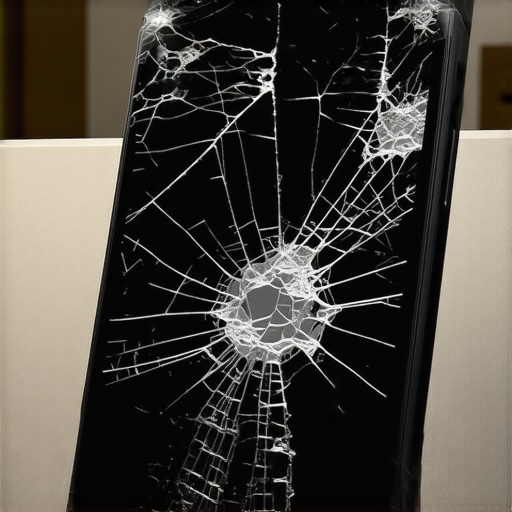
When we talk about a windshield swap, we are not just talking about a piece of safety glass. We are talking about a complex lens. In the world of architectural glazing, we worry about the U-Factor and how it prevents heat loss in cold climates like Chicago or Minneapolis. In the automotive world, the glass in front of your ADAS (Advanced Driver Assistance Systems) camera must have near-perfect optical clarity. If the glass has a slight ripple, a deviation in the glazing bead, or an inconsistent thickness in the PVB (Polyvinyl Butyral) interlayer, the camera sees a distorted world. Imagine trying to drive while wearing someone else’s prescription glasses. That is what your car is experiencing.
“Installation is just as critical as the window performance itself. A high-performance window installed poorly will fail.” AAMA Installation Masters Guide
This industry standard applies 100% to your car. If the glass installer uses a low-quality aftermarket windshield, the refractive index might be off by just a fraction of a percent. To your eyes, it looks fine. To a 52-megapixel camera calculating the distance to the car in front of you at 70 miles per hour, that distortion is a catastrophic error. This is why the same-day rush often leads to long-term headaches. Precision cannot be rushed when you are dealing with the rough opening of a modern vehicle frame.
The Thermal Logic of Sensor Failure
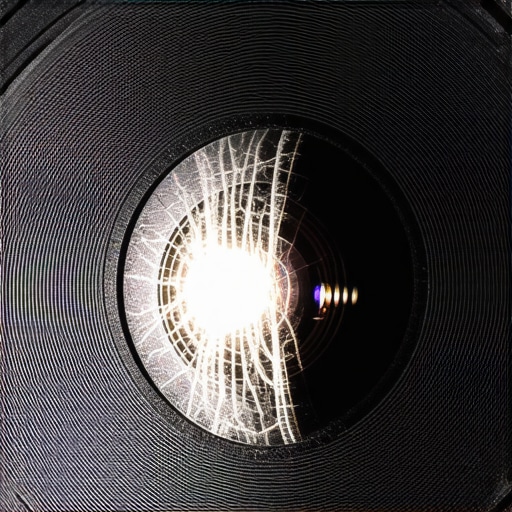
In northern climates, the primary enemy of your sensors is heat loss and the resulting condensation. When the temperature drops, the interior surface of the glass becomes the cold point in the system. If the glass installer did not properly seal the camera bracket or if they left a gap in the flashing tape equivalent—the urethane seal—moisture-laden air from the cabin migrates into the camera housing. As soon as the glass hits the dew point, a thin film of moisture forms over the lens. The sensor isn’t ‘broken,’ it is simply blind.
“Proper water management and thermal bridging prevention are the foundations of any successful glazing installation, whether in a skyscraper or a sedan.” ASTM E2112 Standard Practice
We use warm-edge spacers in house windows to prevent this exact phenomenon. In a car, we rely on the heating elements embedded in the glass and a perfect hermetic seal around the sensor. If your mobile service tech was ‘caulk-and-walk’—or in our case, ‘glue-and-go’—they likely didn’t ensure the mounting bracket was perfectly flush. A gap of a single millimeter can allow enough airflow to cause persistent fogging in the winter months.
The Anatomy of a Failed Installation
Let’s perform an autopsy on why these systems fail. First, consider the sash or the frame of the glass. In a vehicle, the glass is a structural component. If the rough opening of the car frame has any residual old urethane or rust, the new glass won’t sit at the correct depth. This changes the focal length of the camera. Secondly, look at the weep hole logic. While windshields don’t have weep holes like a house window, they do have complex cowls and drainage systems. If the technician blocks these with excessive adhesive, water backs up and increases the local humidity near the sensors.
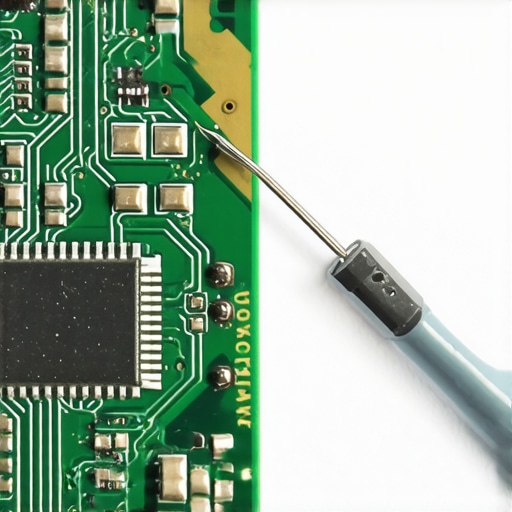
Then there is the issue of calibration. A chip repair usually doesn’t require it, but a full swap does. There are two types: static and dynamic. Static calibration involves targets in a controlled shop environment. Dynamic calibration involves driving the car at specific speeds on clear roads. Many ‘discount’ installers skip this or tell you the car will ‘self-calibrate.’ It won’t. Without a digital handshake between the new glass and the car’s computer, the operable safety features will remain dormant. The muntin-like brackets that hold the sensors must be aligned to within a fraction of a degree.
Don’t Buy the Hype, Buy the Numbers
When you are looking for a glass installer, stop asking how fast they can get to you. Start asking about their U-Factor equivalents for automotive glass—specifically the Solar Heat Gain Coefficient (SHGC) of the glass. In the south, a high SHGC will cook your sensors. In the north, a low U-Factor is required to keep those sensors clear of frost. A master glazier knows that the glass is the first line of defense for the vehicle’s brain. If you want your sensors to work, stop looking for the cheapest mobile service and start looking for the technician who understands the science of the sill pan, the shim, and the refractive physics of laminated glass. Your safety depends on a few millimeters of precision that no amount of caulk can fix.