The danger of using a hair dryer on a wet phone
The Delusion of Dry Heat: A Master Glazier Perspective
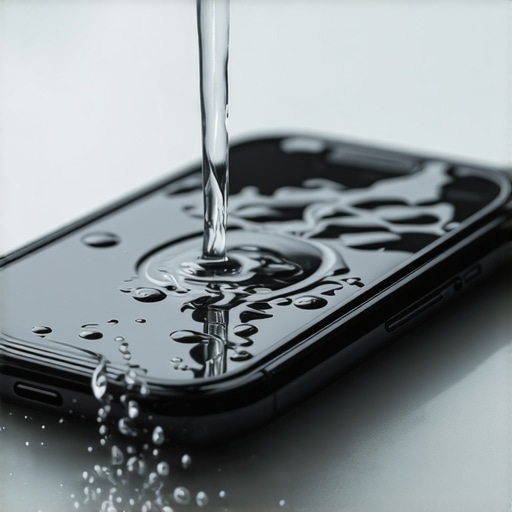
When you drop a high-end smartphone into water, your first instinct is a desperate race against physics. You think of heat. You think of a hair dryer. But as a master glazier who has spent twenty-five years managing moisture infiltration in high-performance building envelopes, I can tell you that reaching for that blow dryer is the fastest way to turn a recoverable accident into a permanent structural failure. A window is a hole in the wall designed to manage energy, and a modern smartphone is essentially a micro-scale Insulated Glass Unit (IGU) with a computer inside. When you apply uncontrolled heat to that assembly, you are not drying it; you are inviting a thermal stress fracture and vapor pressure catastrophe.
The Condensation Crisis: A Reality Check
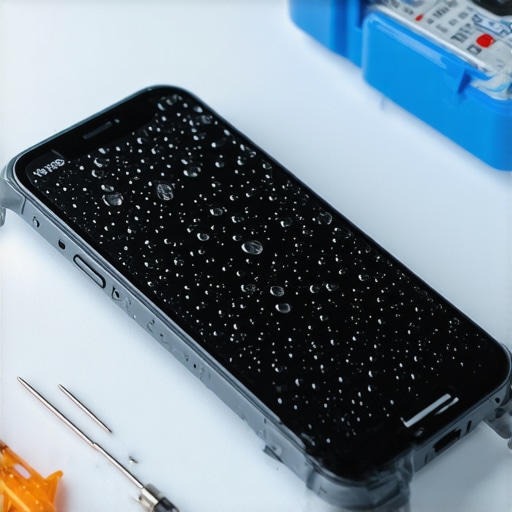
A homeowner called me in a panic because their new windows were ‘sweating.’ I walked in with my hygrometer and showed them the humidity was 60%. It wasn’t the windows; it was their lifestyle. I see the same thing with people trying to fix ‘wet’ glass on phones. They see moisture behind the glazing bead of their screen and think heat will evaporate it. What they don’t realize is that they are simply moving the dew point. I remember a client who tried to dry a mobile device using a high-heat industrial gun. By the time I saw it, the moisture hadn’t left; it had simply transitioned into a gaseous state, bypassed the internal gaskets, and condensed directly onto the logic board as it cooled. It is the same principle as a failed window seal. Once that internal atmosphere is compromised, a simple ‘dry out’ is no longer an option.
“Installation is just as critical as the window performance itself. A high-performance window installed poorly will fail.” – AAMA Installation Masters Guide
The Physics of Thermal Stress and Surface Expansion
In the glazing world, we talk about the Coefficient of Thermal Expansion. Different materials grow and shrink at different rates when exposed to heat. Your phone’s screen is a specialized piece of glass, often with a Low-E equivalent coating on Surface #2 to reduce glare and manage heat. When you blast a hair dryer at a localized spot, you create a massive temperature gradient. The glass at the center of the heat blast expands rapidly while the glass near the rough opening of the phone’s frame remains cool. This creates thermal stress. As a glass installer, I have seen thick storefront glass shatter from nothing more than a poorly placed space heater. Your phone glass is much thinner and more temperamental. You risk popping the glass right out of its adhesive shim or causing a catastrophic crack that no chip repair service can fix.
Vapor Pressure and the Failed Seal
Why is heat so dangerous for a sealed glass assembly? It comes down to the Solar Heat Gain Coefficient (SHGC) logic we use in the South. In hot climates, we want to block heat from entering the assembly. When you use a hair dryer, you are forcing energy into the device, raising the internal vapor pressure. In a standard window, we have weep holes in the sill pan to allow moisture to escape the frame. Your phone has no such drainage system. By heating the water, you turn it into a pressurized gas that can penetrate deeper into the sash and internal components than liquid water ever could. You are essentially steam-cleaning your motherboard, which is a death sentence for delicate circuits.
The Glazing Logic of Moisture Management
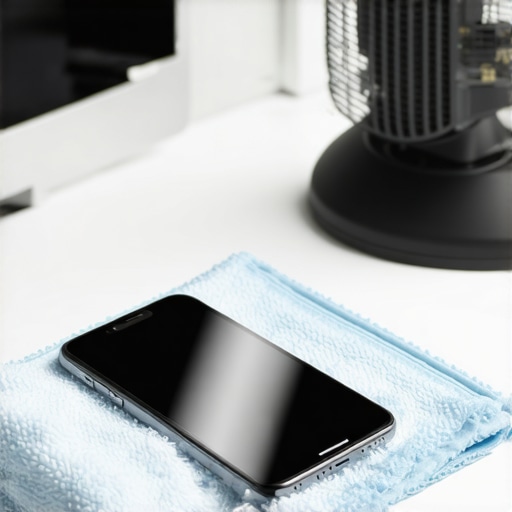
When we install a window, we use flashing tape and sill pans to ensure that water always follows the ‘Shingle Principle’ (flowing down and out). A phone is designed to be a sealed system, much like a dual-pane window filled with Argon gas. The moment you submerge it, you have challenged those seals. If you then apply heat, you risk melting the adhesives that act as the glazing bead, permanently compromising the device’s water resistance. If you are looking for a same-day solution, the answer is never ‘more heat.’ It is ‘controlled desiccation.’ In the glass industry, we use desiccant spacers to absorb microscopic amounts of moisture. For a phone, you need a professional mobile service that can disassemble the unit, much like we would do a full-frame tear-out, to dry the components individually without exceeding the glass’s thermal tolerance.
“Thermal bridging and poor moisture management are the primary drivers of premature fenestration failure in modern builds.” – NFRC Technical Bulletin
Understanding the NFRC Values of Your Device
We rate windows based on their U-Factor (heat loss) and SHGC (heat gain). Your phone’s display has a very specific thermal profile. Uncontrolled heat from a hair dryer can exceed 150 degrees Fahrenheit in seconds. This can cause the liquid crystals in the display to undergo a phase change, leading to permanent ‘bruising’ or black spots. Furthermore, the muntins or internal structural supports of the screen can warp. Just as we wouldn’t use a blowtorch to defrost a frozen operable window for fear of breaking the glass or melting the vinyl, you must never use high-velocity hot air on a device that relies on precision-engineered tolerances.
The Expert Verdict: Call a Glass Professional
If you have moisture behind your glass, whether it is a triple-pane window in a skyscraper or the screen on your smartphone, the physics remains the same. You need a glass installer who understands mobile service and chip repair. A professional will use vacuum-chamber desiccation or low-grade thermal stabilization to remove moisture without crossing the threshold of thermal shock. DIY heat treatments are a gamble with a 100% house edge. Stop the hair dryer, skip the rice myth, and treat your high-tech glass with the same respect you would give a custom-milled mahogany sash window. Water is a challenge, but heat is a destroyer. Protect your rough opening, respect the sill pan, and always prioritize the integrity of the seal over a quick-fix heat blast.