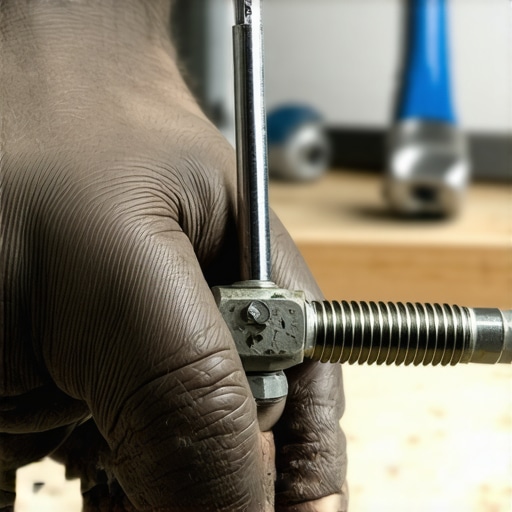
How to tell if your technician stripped a screw
The Same-Day Service Trap and the Hidden Damage Beneath
The allure of a same-day glass installer is undeniable. When you have a cracked pane or a failing sash, you want it fixed before the sun sets. However, in my twenty-five years as a Master Glazier, I have seen the ‘mobile service’ model prioritize speed over structural integrity more times than I care to count. I recently pulled a side-hung sash out of a property where the client originally called for a simple chip repair. As I inspected the frame, I noticed the hardware rattled with the slightest breeze. Why? The previous technician had used a high-torque impact driver to slam fasteners into a thermally broken aluminum frame. The header was already showing signs of moisture ingress because those screws were no longer holding the frame against the rough opening. They were simply spinning in a void of shredded metal and pulverized thermal barrier. This is the reality of the stripped screw: it is not just a minor annoyance; it is a fundamental failure of the window’s mechanical fastening system.
“Installation is just as critical as the window performance itself. A high-performance window installed poorly will fail.” AAMA Installation Masters Guide
The Physics of the Fastener in High-Heat Climates
In regions like Texas or Arizona, the climate is the primary enemy of your glazing. We focus heavily on the Solar Heat Gain Coefficient (SHGC) because we are trying to block radiant heat from entering the living space. When we talk about Low-E coatings, we are usually discussing Surface #2 placement to reflect that energy back outside. But the physics of heat goes beyond the glass. Thermal expansion in a South-facing window is massive. A vinyl frame can expand and contract significantly throughout a single July day. The fasteners, typically stainless steel or zinc-plated carbon steel, are what manage this movement. If a technician has stripped a screw during a mobile service visit, that fastener loses its pull-out resistance. As the frame expands in the heat, it pushes against the fastener. If the threads are gone, the frame moves independently of the shim and the rough opening, breaking the seal of the perimeter caulk and inviting air infiltration.
How to Spot a Stripped Screw: The Master Glazier’s Checklist
You do not need to be a forensic engineer to tell if your glass installer was reckless with their power tools. First, perform the Visual Shavings Test. Look at the base of the screw head or the glazing bead where the hardware is mounted. If you see tiny spirals of metal or vinyl, that is a clear indicator that the fastener was over-torqued, effectively reaming out the hole rather than threading into it. Second, use the Resistance Feel. Take a manual screwdriver and gently attempt to tighten the screw. If it turns indefinitely without ever reaching a hard stop, the internal threads are annihilated. A proper installation into a shim or a framing member should provide a definitive ‘seat’ where the torque requirement spikes sharply.
The Structural Consequence: Water Management and the Sill Pan
A window is a hole in your thermal envelope that must manage water. We use the ‘Shingle Principle’ to ensure water flows down and away. This involves complex layering of flashing tape, the sill pan, and the drip cap. When a screw is stripped, particularly one near the sill or the lower sash, it creates a path for water. Because the screw is loose, it no longer compresses the gasket or the sealant. Capillary action can then pull moisture through the stripped hole, bypassing your flashing system and depositing water directly into the rough opening. Over time, this leads to the ‘black rot’ I have seen in countless teardowns, where the structural jack studs have the consistency of wet cardboard because a single installer wanted to save ten seconds with an impact driver.
“Fasteners shall be located to transition the load from the window frame to the structure without compromising the water-resistive barrier.” ASTM E2112
Why ‘Same-Day’ Shouldn’t Mean ‘No Precision’
When you hire a mobile service for a chip repair or a glass replacement, the technician is often working out of a van under direct sunlight, rushing to the next appointment. This environment is ripe for ‘caulk-and-walk’ behavior. A true professional understands that the glazing bead must be seated perfectly and that setiap fastener must be driven with a clutch-controlled drill, not a raw impact driver. They know that the shim must be placed directly behind the fastener point to prevent frame deflection. If the frame bows when the screw is tightened, the technician has missed the shim, and if they keep driving, they will strip the screw or crack the frame. In our trade, we call this ‘pulling the frame,’ and it is a hallmark of an amateur. Always ensure your installer is checking for plumb, level, and square after every fastener is driven, ensuring the operable sash moves freely without binding.
Repairing the Damage: The Oversized Thread Solution
If you discover a stripped screw, do not simply fill the hole with caulk. The structural integrity must be restored. This often requires moving to a larger diameter ‘repair’ fastener or, in the case of wood frames, plugging the hole with a hardwood dowel and waterproof glue before re-drilling. In aluminum or fiberglass frames, we often use a specialty thread-forming screw that creates a new, wider track. The goal is to restore the clamping force that keeps the weatherstripping compressed. Without that compression, your high-tech Low-E glass is useless because the air is simply whistling around the frame. True window performance is a symphony of glass chemistry and mechanical precision. Don’t let a single stripped screw ruin the comfort of your home.