The specific reason your screen protector keeps bubbling
Understanding the Physics of Surface Delamination
As a Master Glazier with over 25 years in the trade, I have seen every possible failure of glass and its secondary applications. Whether we are talking about a high-rise curtain wall or the mobile service application of a screen protector, the physics remain identical. You see a bubble; I see a failure of surface energy management and a misunderstanding of thermal expansion. In my decades of experience, I have seen homeowners and junior installers alike struggle with the fundamental reality that glass is not the perfectly smooth, inert surface it appears to be. It is a dynamic substrate that reacts to every degree of temperature change and every gram of ambient moisture. When you ask why a film or a screen protector keeps bubbling, you are really asking about the conflict between polymer adhesives and the atmospheric conditions of your environment.
The Humidity Crisis: A Lesson in Vapor Pressure
I recall a specific instance that mirrors the frustration many feel with bubbling glass surfaces. A homeowner called me in a panic because their expensive new window tints were sweating and lifting at the corners within forty-eight hours of installation. I walked in with my hygrometer and showed them the humidity in the room was a staggering 60 percent. It wasn’t a defect in the film or the glass installer’s technique; it was their lifestyle choices. They were running a large humidifier in a sealed room with a southern exposure. This created a high vapor pressure situation where moisture was forced into the micro-gaps of the adhesive layer. Much like when a mobile service technician performs a chip repair, the presence of moisture is the absolute enemy of a clean bond. If you don’t control the environment, the glass will reject whatever you try to stick to it.
“Installation is just as critical as the window performance itself. A high-performance window installed poorly will fail.” AAMA Installation Masters Guide
The Solar Heat Gain Factor in the South
Since we are discussing this in a high-heat context, we must address the Solar Heat Gain Coefficient, or SHGC. In southern climates like Florida or Arizona, the sun is not just a source of light; it is a source of intense infrared radiation that strikes the glass and is absorbed. This absorption causes the glass lite to expand. If you have applied a screen protector or a window film with a different Coefficient of Linear Thermal Expansion than the glass itself, you have a recipe for disaster. The glass expands at one rate, the plastic film expands at another, and the adhesive between them is sheared apart. This shearing creates microscopic voids that eventually accumulate air or outgassed vapors from the adhesive, resulting in the bubbles you see. When we perform a chip repair, we use a resin that is specifically engineered to mimic the expansion rate of borosilicate or soda-lime glass to prevent this exact phenomenon.
Technical Anatomy of the Adhesion Failure
To understand the bubble, we must look at the glazing bead and the sash logic. Just as a sash must be perfectly squared within the rough opening using a shim to ensure even pressure, a film must be applied with even mechanical pressure to overcome surface tension. The reason most mobile service DIY attempts fail is a lack of understanding of ‘wetting.’ Wetting is the ability of a liquid adhesive to maintain contact with a solid surface. If there are microscopic contaminants, skin oils, or even dust from a nearby construction site, the adhesive ‘pearls’ away from the contaminant. This creates a pocket of air. In the world of professional glass installation, we treat the rough opening with flashing tape and a sill pan to manage water, but we treat the glass surface with chemical decontaminants to manage air. Without a sterile surface, your screen protector is essentially sitting on a bed of microscopic ball bearings.
“Secondary applications to the glass surface, such as films or coatings, alter the thermal stress profile of the lite and must be evaluated for compatibility.” NFRC Technical Bulletin
The Role of Outgassing and Volatile Organic Compounds
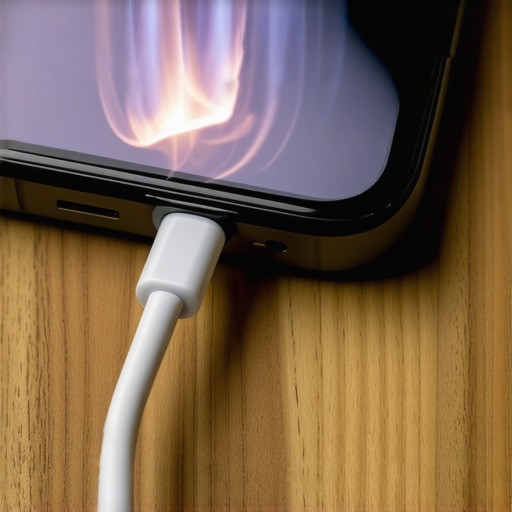
Many people don’t realize that the plastics used in cheap screen protectors are prone to outgassing. As the sun hits the glass, the temperature of the polymer rises, and the chemicals within the plastic transition from a solid to a gaseous state. These gases have nowhere to go, so they form a bubble. This is why a same-day chip repair by a professional glass installer involves a vacuum phase. We must suck the air and any potential gases out of the break before injecting the resin. If you are applying a film at home, you are fighting a losing battle against the natural tendency of polymers to release gas under thermal load. In a south-facing room, the radiant heat can easily push the surface temperature of the glass to 120 degrees Fahrenheit or higher, accelerating this process significantly.
Comparing Professional Chip Repair to Surface Films
When you seek a mobile service for a chip repair, the technician isn’t just slapping a sticker over the damage. We use a bridge and injector system to force resin into the very structure of the glass. This is the difference between an operable solution and a cosmetic one. The bubble in your screen protector is a sign that the adhesive has lost its fight against the atmosphere. In a professional setting, we ensure the glass is below a certain temperature before starting, often using a shade to block the sun. If the glass is too hot, the resin will cure too quickly and unevenly, leading to internal stresses that will eventually cause a crack to spread from the chip. The same logic applies to your protector: if you apply it in the heat of the day, you are trapping high-energy air molecules that will expand and create bubbles as the temperature fluctuates.
The Structural Integrity of the Bond
In the trade, we talk about the muntin and the glazing bead as the physical restraints of the glass, but the adhesive is the chemical restraint. If you have a screen protector that keeps bubbling, check the edges. Is it hitting the case? If the case pushes against the edge of the protector, it creates a mechanical lift, much like a poorly installed sill pan that doesn’t allow for proper drainage through the weep hole. Once that edge is lifted, even by a fraction of a millimeter, capillary action pulls in moisture and oils, and the bond is permanently compromised. A glass installer knows that the seal is only as good as its weakest point. Whether it is flashing tape on a window frame or the silicone bead on a curtain wall, any breach leads to total system failure. Your bubbling screen is simply a miniature version of a catastrophic window seal failure.
Final Technical Assessment for Longevity
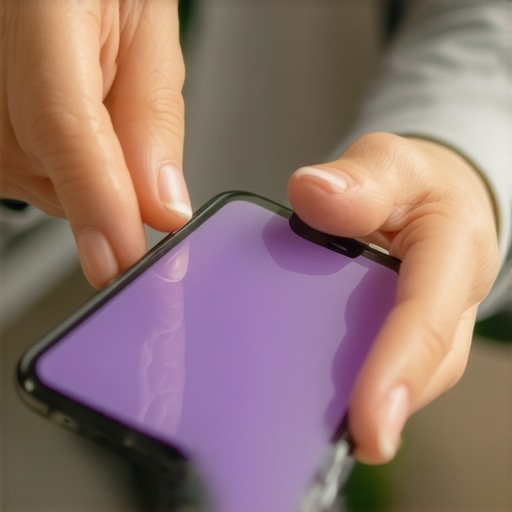
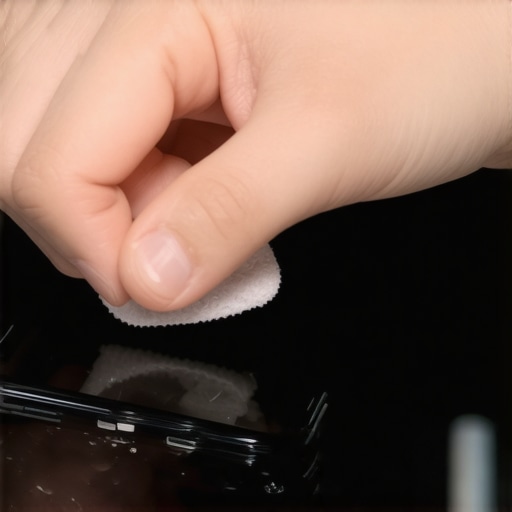
To achieve a bubble-free finish, you must think like a glazier. You need a controlled environment, a neutralized substrate, and an understanding of thermal dynamics. Stop treating it as a simple sticker. Treat it as a glazing project. Clean the surface with a high-grade isopropyl alcohol to strip all oils. Ensure the ambient temperature is stable and the humidity is low. Apply the material from the center outward to manage the displacement of air, and most importantly, ensure that there is no mechanical interference at the perimeter. If you follow these industrial standards, you will find that the bubbles disappear. If you continue to see failures, it is likely a result of poor material quality or an environment that exceeds the thermal limits of the adhesive. Just as I would never install a single-pane wood sash in a hurricane zone, you shouldn’t expect a low-grade polymer to hold up against the intense solar heat of a southern exposure without proper precautions.