Why you should never use superglue on a windshield chip
The Fatal Mistake of DIY Windshield Repair: Why Superglue Will Fail You
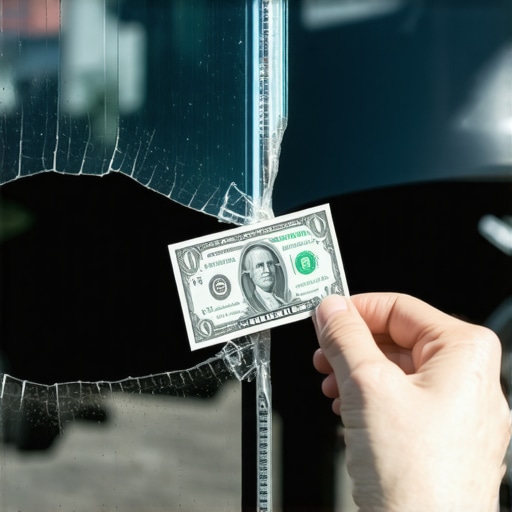
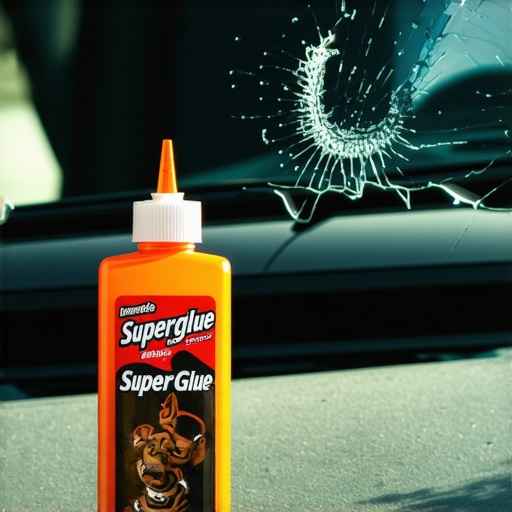
I have spent over two decades in the glazing industry, from hanging curtain walls on skyscrapers to precision automotive glass work. I have seen every shortcut in the book, but nothing makes my blood boil quite like seeing a driver apply superglue to a fresh rock chip. Just last week, a homeowner called me in a panic because their windshield was ‘sweating’ and then suddenly cracked across the entire passenger side. I walked out to their driveway with my hygrometer and a magnifying loupe and showed them the reality: they had trapped moisture inside the chip with a layer of cyanoacrylate. It was not a faulty piece of glass; it was a DIY disaster that turned a simple thirty-minute fix into a full windshield replacement involving complex ADAS recalibration. This is the reality of modern automotive glazing. A windshield is not just a piece of transparent material; it is a structural component of your vehicle designed to manage thermal stress, wind load, and safety during an impact.
The Chemistry of Failure: Cyanoacrylate vs. Automotive Resin
When you encounter a rock chip, you are looking at a breach in the outer layer of laminated glass. Your windshield is a sandwich: two layers of glass held together by a Polyvinyl Butyral (PVB) interlayer. This interlayer is what prevents the glass from shattering into shards. When a rock hits, it creates a void. The instinct to fill that void with superglue is understandable but scientifically flawed. Superglue, or cyanoacrylate, is a rigid adhesive. It cures almost instantly when it meets moisture in the air. However, glass is a material that constantly moves. It expands and contracts with every degree of temperature change. A professional glass installer uses a specialized anaerobic resin designed to mimic the refractive index of the glass. This ensures that the light passes through the repair at the same angle as the surrounding glass, making the chip nearly invisible. Superglue has a different refractive index, meaning it will always look like a smear on your field of vision, and more importantly, it lacks the flexibility to survive the first frost or a hot afternoon in the sun.
“Installation is just as critical as the window performance itself. A high-performance window installed poorly will fail.” AAMA Installation Masters Guide
This principle from the American Architectural Manufacturers Association applies perfectly to automotive glazing. The ‘installation’ of the repair resin is what dictates the longevity of the glass. When I perform a chip repair, I am not just ‘plugging a hole.’ I am using a vacuum-pressure cycle to evacuate every molecule of air and moisture from the Rough Opening of that chip. If you slap superglue over the top, you are sealing in the very elements that cause the glass to fail. Air expands when heated; moisture expands when frozen. That trapped pocket of air will eventually exert enough pressure to force the chip to ‘leg out’ into a full-blown crack.
The Refractive Index and Optical Clarity
Glazing zooming requires us to look at the physics of light. Visible light travels through glass at a specific speed. When it hits a different medium, like superglue, it slows down or speeds up at a different rate, causing a visible distortion. A professional glass installer selects a resin with a specific centipoise (viscosity) and refractive index to match the OEM glass. This is not something you find in a tube at the hardware store. Furthermore, superglue is notorious for yellowing under UV exposure. Within weeks, your DIY fix will turn into an ugly amber scab on your windshield. Professional resins are UV-stabilized, ensuring that the repair remains clear for the life of the glass. When we talk about same-day mobile service, we are talking about getting that resin into the chip before road grime, windshield washer fluid, and rainwater contaminate the site. Once a chip is contaminated, the quality of the repair drops significantly because the resin cannot bond to the glass surface through a layer of wax or grease.
The Thermal Shock Factor
In colder climates, the enemy is the defroster. Imagine it is January, and your windshield is thirty degrees. You jump in the car and blast the heat. The glass around the chip begins to expand rapidly. If that chip is filled with a rigid, brittle substance like superglue, it cannot move with the glass. The resulting stress concentration is exactly how a small bullseye becomes a crack that spans from the A-pillar to the rearview mirror. Professional resins are engineered to have a coefficient of thermal expansion that closely matches the glass itself. This allows the repair to ‘breathe’ with the windshield. This is why a mobile service is so vital; we bring the controlled environment to you, ensuring the glass temperature is stabilized before we even begin the injection process. We do not just ‘caulk and walk.’ We analyze the fracture type—whether it is a star break, a cloverleaf, or a partial bullseye—and adjust our pressure cycles accordingly.
“The method of flashing and sealing the fenestration product into the building envelope is critical to the long-term performance of the unit.” ASTM E2112 Standard Practice
While ASTM E2112 focuses on buildings, the logic holds for your vehicle’s ‘envelope.’ The seal of your windshield is a safety system. If you compromise the glass with poor DIY repairs, you are compromising the structural integrity of the roof in a rollover accident. The windshield provides up to 60% of the structural strength of the vehicle’s cabin during a crash. A chip that has been improperly ‘fixed’ with superglue is a weak point that can lead to catastrophic failure under load.
Why Professional Mobile Service is Non-Negotiable
Many people avoid calling a glass installer because they think it will take all day or cost a fortune. The reality is that same-day chip repair is one of the most cost-effective maintenance tasks you can perform. Most insurance companies will even waive your deductible because they would much rather pay for a repair than a full replacement. When a technician arrives, they don’t just look at the glass; they look at the Sash and the surrounding seals. We check for ‘black rot’ or corrosion in the pinch weld that could indicate future leaks. We ensure the weep holes in the cowl are clear so water does not back up into your cabin. We bring a level of technical precision that a bottle of glue simply cannot match. We use Shims if necessary to stabilize the glass during the curing process and ensure the Glazing Bead is intact. This is the difference between a temporary patch and a permanent engineering solution.
In conclusion, your windshield is a high-tech piece of safety equipment. It is designed to withstand 100-mph winds, extreme temperature swings, and the impact of road debris. Treating a fracture in this material with a household adhesive is not just ineffective; it is dangerous. Don’t buy the hype of the ‘quick fix’ kits. Trust the numbers, trust the science, and call a professional who understands the physics of glass. Your safety and your wallet will thank you when you choose a professional repair over a superglue disaster.