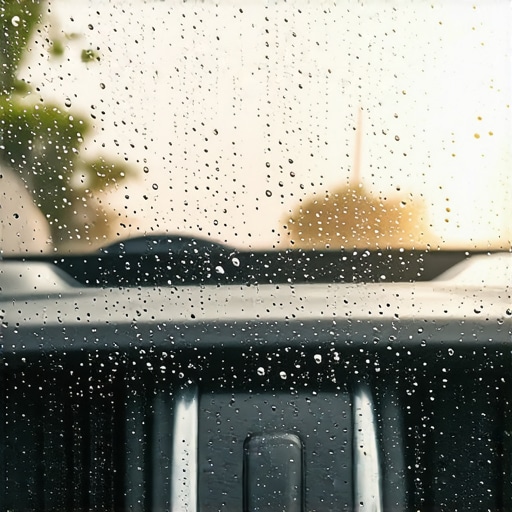
What happens when your windshield seal isn’t airtight
When you are cruising down the highway at sixty miles per hour, you are essentially sitting behind a structural shield that is fighting a constant battle against atmospheric pressure, moisture, and kinetic energy. A windshield is not just a piece of transparent material; it is a critical safety component of the vehicle’s structural envelope. As a master glass installer with over twenty five years in the glazing industry, I have seen every possible failure of a seal. Many vehicle owners treat a small whistle or a minor leak as a nuisance, but in the world of professional glazing, an airtight seal is the difference between a safe cabin and a catastrophic structural failure during a rollover. If the seal is not airtight, the entire integrity of the glazing system is compromised.
The Anatomy of a Failed Seal: A Forensic View
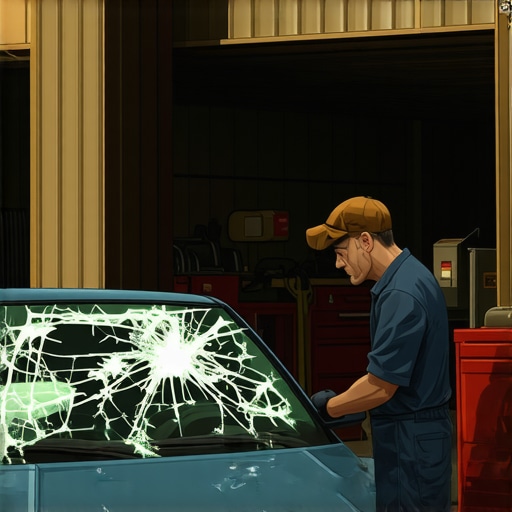
I recently pulled a windshield out of a late model truck in Chicago and the pinchweld, which is the rough opening where the glass sits, was completely eaten away by oxidation and rot. Why? The previous glass installer had taken a shortcut during a mobile service appointment. They relied on a standard urethane bead without properly prepping the metal with a primer. This allowed a microscopic amount of moisture to bypass the seal. Over three winters, that moisture froze and expanded, a process we call ice damming in the residential world, until the bond was essentially non existent. When I pushed on the glass from the inside, the entire unit shifted. This was a same day disaster waiting to happen.
“Installation is just as critical as the window performance itself. A high-performance window installed poorly will fail.” – AAMA Installation Masters Guide
The shingle principle dictates that water must always flow down and away from the interior of a structure. In automotive glazing, the urethane bead acts as the primary flashing tape and sill pan combined. If that bead has a single gap, or if the glazing bead trim is not seated correctly, you lose the airtight environment required to maintain the dew point inside the cabin. When the seal is breached, the interior humidity spikes, leading to persistent fogging that no defroster can handle. This is the condensation crisis in a mobile environment.
The Physics of Air Pressure and Sound
An airtight seal is about more than just keeping rain out; it is about managing the pressure differential. When you drive, the air hitting your windshield creates a high pressure zone, while the air inside the cabin remains at a lower pressure. If there is a hole in your seal, even one the size of a pinprick, the air will force its way in, creating that high pitched whistle. This is not just annoying; it indicates that the glass is not fully bonded to the frame. In a mobile service context, if the tech does not account for the ambient temperature, the urethane may not reach the correct viscosity to create a 100 percent contact patch. We use shims or setting blocks to ensure the glass is centered, but if the urethane does not flow into every microscopic crevice of the pinchweld, the seal is a lie.
“The bond between the glass and the vehicle frame is a critical safety component of the vehicle’s structural integrity.” – ASTM E2112
In cold climates like Minneapolis or Chicago, the U-Factor of your glass matters, but the seal matters more. A glass installer must understand that materials contract in the cold. If the seal is not airtight, cold air infiltrates the edge of the glass, causing the sash equivalent (the glass perimeter) to reach the dew point much faster than the center of the lite. This leads to edge cracking. A chip repair is often necessary because these thermal stresses find the weakest point in the glass, which is usually a small stone chip, and turn it into a full blown crack.
Why Same Day Mobile Service Requires Technical Precision
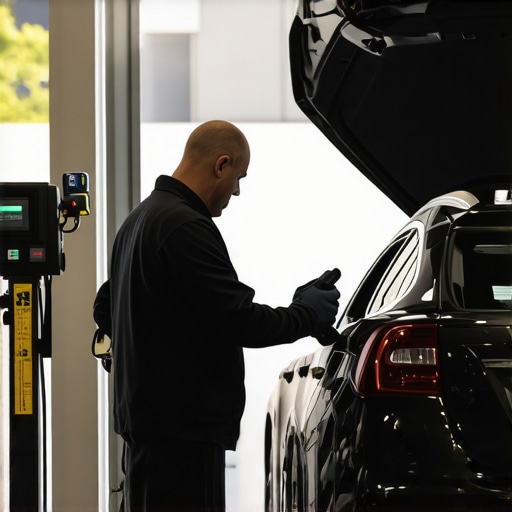
Many customers demand same day service and want the convenience of a mobile service. While this is possible, it requires a glass installer who understands the chemistry of the adhesive. High modulus urethanes have specific cure times that must be respected before the vehicle is “Safe to Drive.” If you drive the car before the seal is set, the air pressure of the cabin can actually blow a hole through the wet urethane, or the vibration can cause the glass to shift, creating an operable window effect where there should be a fixed, rigid bond. This movement destroys the airtight nature of the seal. We often see this when the weep holes in the cowl are blocked, forcing water to pool against the bottom of the windshield seal.
The Long Term Impact of a Compromised Seal
Beyond the immediate safety risks, a non airtight seal leads to the degradation of the vehicle’s interior. Modern cars are filled with electronics behind the dashboard. A slow leak through a compromised sill pan area of the windshield can drip onto the ECU or the wiring harness. This is why a professional glass installer will always check the muntin like structures of the frame for any signs of previous damage or improper cleaning. If the previous chip repair was done poorly, or if the glass was replaced by a “caulk and walk” technician, the structural rough opening of your car is likely at risk. Don’t let a minor whistle turn into a total structural failure. Ensure your glass installer uses the right primers, respects the cure times, and understands the physics of an airtight bond.