The science of glass structural integrity
The Hidden Complexity of Transparent Barriers
To the untrained eye, glass is a static, fragile material. As a master glazier with a quarter-century in the field, I see it differently. Glass is a high-performance structural component that manages massive loads of wind pressure, thermal expansion, and mechanical stress. When we talk about the science of glass structural integrity, we are discussing the molecular lattice of silica and how it reacts to external forces. A window is essentially a transparent hole in a building envelope, and maintaining its integrity is a matter of pure physics. A single chip or crack is not just a blemish: it is a localized failure of the entire tension system of the pane. Understanding why a glass installer emphasizes same-day mobile service requires a deep dive into how these failures propagate under thermal stress.
The Condensation Crisis: A Lesson in Physics
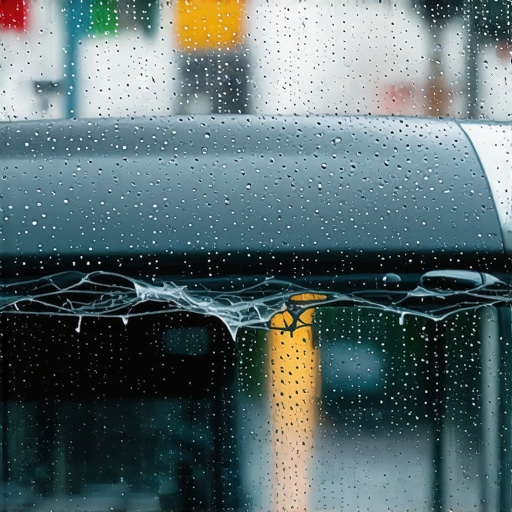
A homeowner once called me in a panic because their new windows were sweating. They were convinced the seals had failed within weeks of installation. I walked in with my hygrometer and showed them the interior humidity was hovering at 60 percent. It was not the windows: it was their lifestyle. They were running a large humidifier and boiling water without using a vent fan. I had to explain that even the most advanced triple-pane glazing cannot prevent condensation if the dew point is reached on the interior surface. This experience highlights a fundamental truth in my trade: the performance of a window is a balance between the glass technology and the environment it inhabits. If you do not manage the interior climate, the most expensive glazing bead and spacer system in the world will not stop water from forming on the surface.
“Installation is just as critical as the window performance itself. A high-performance window installed poorly will fail.” – AAMA Installation Masters Guide
The Molecular Lattice and Stress Concentration
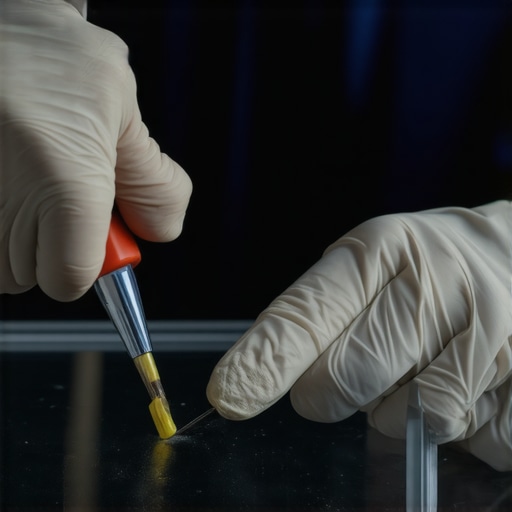
Glass is an amorphous solid. It lacks the long-range periodic order of a crystal, which makes it brittle. In its annealed state, glass is prone to cracking from even minor impacts. However, when we move into the realm of tempered glass, we are looking at a material that has been heated and then rapidly cooled with air blasts. This creates a state of high compression on the surface and high tension in the core. This balance is what gives the glass its strength. When a rock hits a windshield or a thermal stress crack begins in a residential pane, it disrupts this equilibrium. The science of chip repair involves injecting a specialized resin with a refractive index nearly identical to the glass itself. This resin must bond at a molecular level to the silica to restore the structural continuity. This is why mobile service is critical: if you wait, dirt and moisture enter the break, making a clean bond impossible and leading to a full structural failure.
The Cold Climate Reality: U-Factor and Thermal Resistance
In colder regions like Minneapolis or Chicago, the enemy is heat loss and the resulting condensation. We focus heavily on the U-Factor, which measures the rate of heat transfer. A lower U-Factor indicates better insulation. For structural integrity in these climates, we utilize warm-edge spacers. These spacers separate the panes of glass in an Insulated Glass Unit (IGU) and are made of materials that resist heat flow. If the edge of the glass gets too cold, the structural seal can become brittle and fail. We also apply Low-E coatings on Surface 3, the inward-facing surface of the inner pane. This reflects long-wave infrared radiation back into the room. By keeping the inner pane warmer, we move the dew point away from the glass surface, preventing the moisture buildup that leads to frame rot and mold. Proper use of a sill pan and flashing tape ensures that any incidental moisture is directed outward, maintaining the integrity of the rough opening.
Why Same-Day Mobile Service Matters
When a client calls for a glass installer, they often ask why same-day service is prioritized. The answer lies in the Griffith criterion for brittle fracture. This principle states that a crack will propagate when the energy released by the crack growth is greater than the surface energy of the material. In simpler terms, once a chip exists, every temperature change causes the glass to expand and contract. This mechanical cycling pushes the crack further. A mobile service technician can stabilize this within hours, using vacuum pressure to remove air from the break and replacing it with structural resin. This is not just a cosmetic fix: it is a structural intervention that saves the entire pane from shattering.
NFRC Label Decoding: The Data Behind the Glass
When selecting glass, you must look past the sales pitch and analyze the NFRC label. The Solar Heat Gain Coefficient (SHGC) tells us how much solar radiation enters the building. In northern climates, we might want a slightly higher SHGC to allow for passive solar heating in the winter, but the U-Factor remains the priority. Visible Transmittance (VT) measures how much light gets through. A common mistake is choosing a glass with such a heavy tint that you lose the benefit of natural light, forcing you to use more electricity for lamps, which adds heat to the house. The structural integrity of the window system also depends on the rough opening tolerances. If a window is forced into a space that is too small without proper shims, the frame will bow. This prevents the operable sash from sealing correctly, leading to air infiltration that ruins the energy math of the entire house.
“The air leakage rating is a critical component of total window performance, yet it is often overlooked in favor of thermal ratings.” – NFRC Performance Standards
The Anatomy of a High-Performance Installation
A window is only as good as its perimeter seal. During a professional installation, we focus on the shingle principle: every layer of flashing must overlap the one below it. This ensures that water is shed away from the structure. We use a sill pan at the bottom of the rough opening to act as a secondary defense. If water somehow gets past the primary glazing bead, the sill pan catches it and directs it out through weep holes. We avoid the caulk and walk method because we know that caulk is a maintenance item, not a permanent structural seal. We rely on mechanical flashing and proper shims to ensure the window is level, square, and plumb. This prevents the sash from dragging, which would otherwise put uneven pressure on the glass and lead to premature seal failure or even a cracked pane. The science of glass structural integrity is a holistic discipline that combines chemistry, physics, and rigorous mechanical installation standards. [IMAGE_PLACEHOLDER]