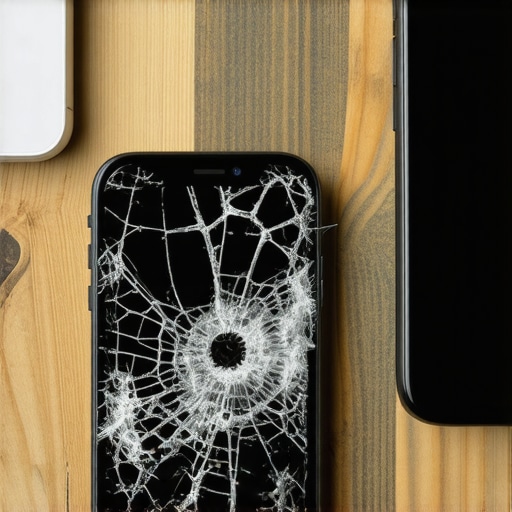
The real cost of waiting to fix a cracked phone back
The Microscopic Reality of Fractured Glass
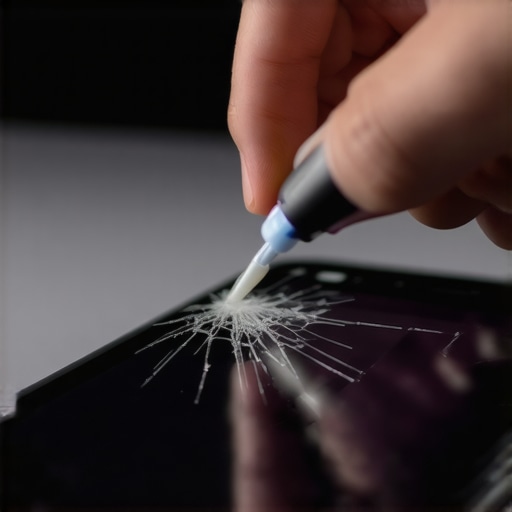
In my twenty five years as a master glazier, I have learned that glass is never truly static. It is a material under constant tension, a transparent solid that demands respect. When a homeowner or a device user sees a small chip in their back glass, they often view it as a cosmetic blemish. They are wrong. In the world of high performance glazing, a chip is a point of structural failure. Whether it is a ten foot storefront pane or the chemically strengthened glass on the back of a mobile device, the physics remain identical. Glass is strongest when its surface tension is uniform. The moment that tension is breached, the material begins a slow and inevitable march toward catastrophic failure.
“Installation is just as critical as the window performance itself. A high performance window installed poorly will fail.” – AAMA Installation Masters Guide
This principle from the American Architectural Manufacturers Association applies perfectly to the specialized glass installer handling your mobile device. If the glass is not seated perfectly within the rough opening of the chassis, or if a crack is allowed to persist, the thermal and moisture protection of the entire system is compromised. We often talk about the dew point in residential window installation, but the same logic applies to your phone. A client once called me in a panic because their camera lens was fogging from the inside. They assumed it was a manufacturing defect. I used my hygrometer to show them that the internal humidity was nearly sixty percent. The culprit was a hairline fracture in the back glass that they had ignored for weeks. That tiny gap allowed moisture to seep in, reaching the dew point inside the chassis when they moved from the heat of the street into an air conditioned room. It was not a phone problem; it was a glazing maintenance failure.
The Physics of the Rough Opening
In the trade, we refer to the space where a window sits as the rough opening. In a mobile device, this is the machined aluminum or stainless steel frame. The back glass is not merely glued on; it is glazed into this frame with a specific glazing bead of adhesive that must maintain a hermetic seal. When you delay a chip repair, you are effectively leaving a hole in your building envelope. For those in high humidity environments, such as the South or coastal regions, this is an invitation for disaster. In these climates, Solar Heat Gain Coefficient (SHGC) is the metric that matters most. Your phone generates its own internal heat, and the glass back is designed to manage that thermal load. A crack disrupts the uniform heat dissipation, creating hotspots that can degrade the battery and internal circuitry. A professional glass installer knows that the back glass acts as a critical thermal barrier, reflecting external infrared radiation while allowing the internal heat to escape. If that barrier is broken, the SHGC logic of the device is thrown into chaos.
Water Management and the Shingle Principle
Any master glazier will tell you that water is the ultimate enemy. We use sill pans, flashing tape, and drip caps to ensure that water always moves down and away from the interior of a structure. This is known as the shingle principle. Your mobile device relies on a similar, albeit miniaturized, system of seals. A cracked back glass bypasses these defenses. Capillary action can draw liquid through a microscopic crack and pull it directly onto the logic board. What starts as a simple chip repair becomes a full system autopsy because the user waited too long. We do not use weep holes in mobile devices like we do in a vinyl window sash. In a window, a weep hole allows moisture to escape the frame. In a phone, there is no exit. Once moisture enters through a crack, it stays there, causing oxidation on the delicate muntin like traces of the internal components.
“The service life of a fenestration product is directly proportional to the integrity of its perimeter seal and the management of incidental moisture.” – ASTM E2112 Standard Practice
When you hire a mobile service for same day glass repair, you are not just paying for a new piece of glass. You are paying for the restoration of that perimeter seal. A professional glass installer will ensure the new pane is shimmed correctly within the frame, ensuring that the pressure is distributed evenly across the surface. This prevents the new glass from cracking under the slight expansion and contraction that occurs during the daily thermal cycles of the device battery. If you have ever felt your phone get warm while charging, you are witnessing a thermal expansion event. If the glass is not installed with the precision of a high rise curtain wall, that expansion will lead to another failure.
The Myth of the Cosmetic Crack
There is a dangerous tendency to believe that if the phone still works, the glass is fine. This is the same logic that leads to rot in a house. I have pulled wood windows out of century homes where the sash looked fine from the street, but the structural header was black with rot because of a failed glazing bead. The back glass of your device is a structural component. It provides torsional rigidity. Without it, the entire chassis can flex, putting stress on the screen and the internal connectors. Using a mobile service for a same day repair is the only way to maintain this rigidity. A professional glass installer will clean the rough opening, removing every microscopic shard of the old glass to ensure the new glazing bead has a flat, clean surface to bond to. This is the difference between a professional repair and a quick fix. If the substrate is not prepared correctly, the new glass will not stay bonded, leading to the same moisture ingress issues you started with.
The Math of Modern Glazing
Let us talk about the real ROI. Many people look at the cost of a professional glass installer and decide to wait. They think they are saving money. But in my experience, the cost of waiting is always higher. A small chip can be stabilized or repaired quickly, but once that crack spiders across the entire back, you are looking at a full component replacement. Furthermore, the secondary damage caused by dust and moisture can triple the repair bill. In a cold climate, the U-Factor of the device is affected. Just as we want a low U-Factor in a Chicago winter to keep heat inside, your phone needs its glass to act as an insulator. When that insulation is breached, the battery has to work harder to maintain operating temperatures in the cold, leading to shorter battery life and eventual failure. Don’t be the person who ignores the draft until the pipes freeze. Treat your glass with the technical respect it deserves.